Paris Travel Guides
Browse and explore the best travel guides in Paris.
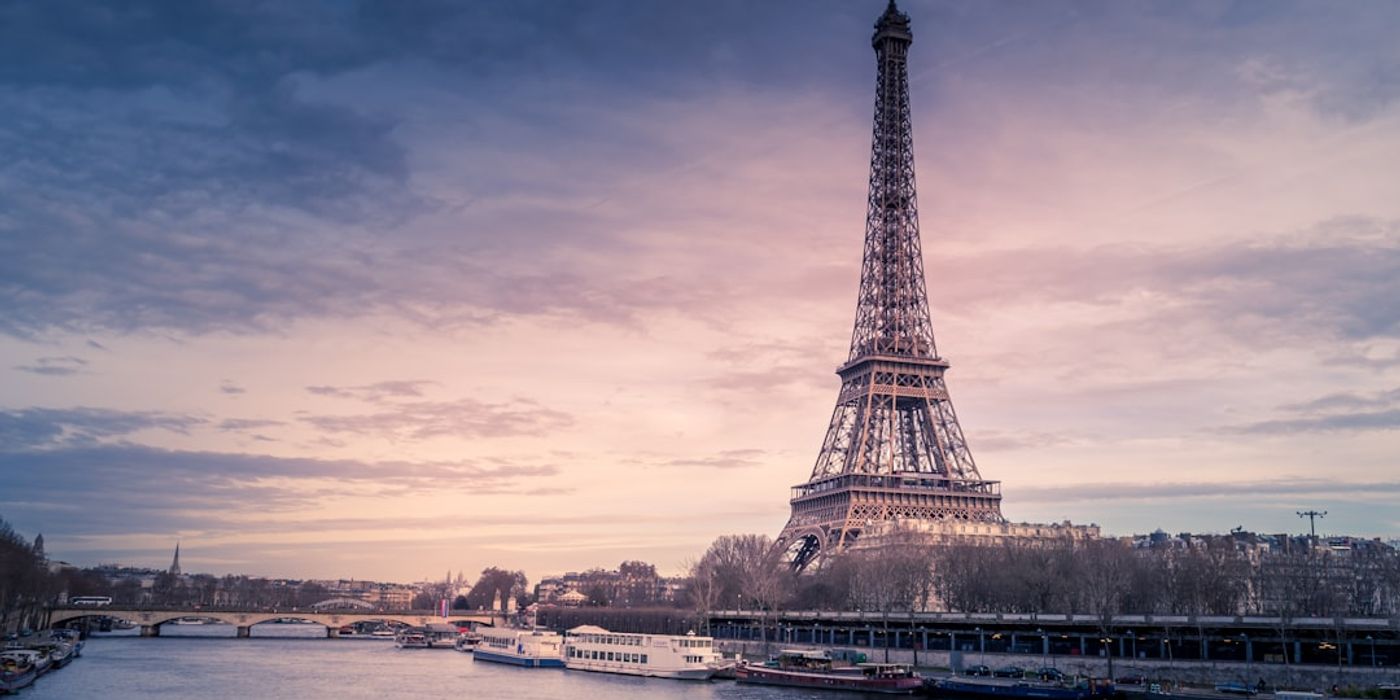
Paris is the capital of France and one of the most visited cities in the world, welcoming over 30 million international tourists annually. The city sits on the Seine River in northern France, its layout defined by 20 arrondissements (districts) spiralling outward from the centre like a snail shell. The Right Bank (north of the Seine) holds the Louvre, the Champs-Elysees, and Montmartre, while the Left Bank (south) is home to the Latin Quarter, Saint-Germain-des-Pres, and the Musee d'Orsay.
The city's cultural density is unmatched - over 130 museums, thousands of restaurants ranging from Michelin-starred establishments to corner creperies, and a cafe culture that turns every sidewalk into an informal gallery of city life. Paris has shaped Western art, literature, fashion, and gastronomy for centuries, and that heritage is visible in every arrondissement. The Eiffel Tower, Notre-Dame Cathedral, and the Louvre Museum are the headline attractions, but the real pleasure of Paris often lies in wandering its 19th-century boulevards and narrow medieval lanes without a fixed agenda.
Paris is served by two major airports - Charles de Gaulle (CDG), 25 km northeast, and Orly (ORY), 14 km south. The Metro system has 16 lines and over 300 stations, making it one of the densest public transport networks in Europe. A single ride costs 2.50 EUR, and a Navigo Easy card stores multiple tickets digitally. The city is best visited in May-June or September-October when the weather is warm, the light is soft, and the summer tourist crush has not yet hit or has already eased.
Paris Travel Facts
Paris Travel Guides

Stay in the loop
Get the latest deals, new destinations, and travel tips delivered straight to your inbox.
No spam, unsubscribe anytime.
Latest Travel Guides




Paris Destination FAQ
May to early June and September to October are the sweet spots. Temperatures sit around 18-23 C, the city is less crowded than in July-August, and hotel prices are more reasonable. Spring brings blossoming gardens and long daylight hours. Winter (December to February) has the cheapest fares and festive Christmas markets but shorter days and chilly weather around 3-8 C.
From Charles de Gaulle (CDG), the RER B train reaches central Paris (Chatelet-Les Halles) in about 35 minutes for 13 EUR. The RoissyBus to Opera also costs 13 EUR. From Orly, the OrlyVal shuttle connects to the RER B at Antony station - a combined ticket costs 15.40 EUR. Taxis from CDG run a flat rate of 56 EUR to the Right Bank or 65 EUR to the Left Bank.
The Paris Metro is the fastest and cheapest way to move around the city, with 16 lines and over 300 stations. A single ride costs 2.50 EUR on a Navigo Easy card. The Paris Visite day pass (from 12 EUR) is worth it if you plan more than five trips per day. Walking is highly rewarding in Paris - most central attractions are within 30-45 minutes of each other on foot. Velib bike-share stations are everywhere, with day passes at 5 EUR for regular bikes.
Four to five days allows you to see the major attractions without rushing. Day one for the Eiffel Tower area and Seine cruise, day two for the Louvre and Tuileries, day three for Montmartre and Sacre-Coeur, day four for the Latin Quarter, Notre-Dame, and Sainte-Chapelle, and a fifth day for a day trip to Versailles. With only two to three days, prioritise the Eiffel Tower, Louvre, and one neighbourhood walk.
Paris is very safe overall. Pickpocketing on the Metro and around major tourist sites (Eiffel Tower, Sacre-Coeur, Louvre) is the primary risk. Keep your belongings secure, be cautious with strangers offering petitions or bracelets, and avoid flashing expensive electronics on crowded trains. The neighbourhoods around Gare du Nord and Stalingrad can feel less comfortable after dark, but violent crime against tourists is rare.
On Trip1, you can book hotels across Paris and pay with over 50 cryptocurrencies including Bitcoin, Ethereum, and USDC. Trip1 covers 3 million+ hotels in 190+ countries, making it easy to find and book accommodation with crypto.
Le Marais (3rd-4th arrondissements) is popular for its historic architecture, galleries, and nightlife. Saint-Germain-des-Pres (6th) is the classic Left Bank intellectual quarter with cafes and bookshops. Montmartre (18th) sits on a hill with artist heritage and the Sacre-Coeur basilica. The Latin Quarter (5th) is the historic university district. The Champs-Elysees area (8th) is the luxury shopping and grand boulevard centre. For a local feel with good restaurants, try the 11th arrondissement around Oberkampf.
The Palace of Versailles is the most popular day trip, reachable in 40 minutes by RER C train. Fontainebleau (90 minutes south by train) is a less crowded alternative chateau with extensive gardens. Giverny (75 minutes by train) is where Claude Monet painted his famous water lilies. The D-Day beaches in Normandy require a full day (2-3 hours by car or organised tour). Champagne houses in Reims are accessible in 45 minutes by TGV.