Mallorca Travel Guides
Browse and explore the best travel guides in Mallorca.
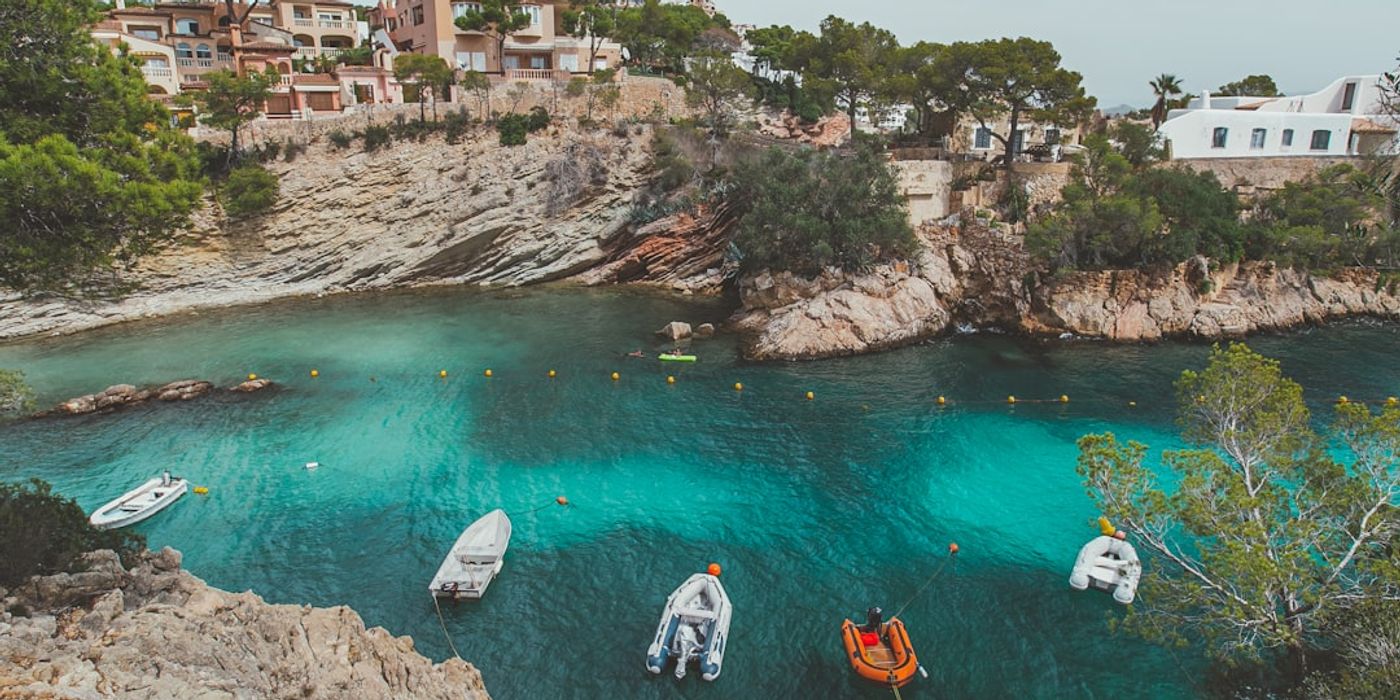
Mallorca is the largest of the Balearic Islands, sitting in the western Mediterranean about 200 km off the eastern coast of mainland Spain. The island combines dramatic limestone mountains in the northwest, broad agricultural plains in the centre, and over 550 km of coastline ranging from sheltered coves to long sandy beaches.
The capital, Palma de Mallorca, is the cultural and transport hub - a Mediterranean port city with a Gothic cathedral, a restored Old Town, and direct flights to most European capitals. Beyond Palma, the Serra de Tramuntana mountain range (a UNESCO World Heritage site) shelters villages like Valldemossa, Deia, and Soller, while the south and east coasts hold the postcard-famous coves and family resorts.
Mallorca is well set up for visitors year-round. Summer (June through September) is the peak beach season, while spring and autumn bring mild weather ideal for hiking, cycling, and exploring the island without the crowds. Public buses cover most destinations, and a scenic vintage train connects Palma to Soller through the mountains.
Mallorca Travel Facts
Mallorca Travel Guides
Stay in the loop
Get the latest deals, new destinations, and travel tips delivered straight to your inbox.
No spam, unsubscribe anytime.
Latest Travel Guides
Mallorca Destination FAQ
Late April to mid-June and September to mid-October are the sweet spots. Temperatures sit between 18-27 C, the sea is warm enough for swimming from late May, and prices are noticeably lower than in peak summer. July and August are hot (often 30-34 C) and very busy on the south and east coast beaches, while winter (December-February) is mild but quiet with many resort hotels and beach restaurants closed.
The cheapest option is EMT bus A1, which runs every 8-15 minutes between Palma de Mallorca Airport (PMI) and the city centre (Plaza Espana) for around 5 EUR, taking 15-25 minutes. A taxi to central Palma costs about 25-35 EUR and takes 15-20 minutes. For destinations outside Palma, TIB intercity buses depart directly from the airport to Soller, Alcudia, Cala d'Or, and other resorts.
A rental car gives you the most flexibility, especially for the Tramuntana mountain villages, remote coves, and the dramatic Sa Calobra road. Without a car, the TIB bus network reaches most major towns and resorts, and the historic Ferrocarril de Soller train connects Palma to Soller through the mountains in about 1 hour. Within Palma itself, the EMT bus and metro plus your own feet are enough - the old town is compact and walkable.
Plan for 5-7 days to see the highlights without rushing. Two days for Palma de Mallorca and the Cathedral, two days touring the Serra de Tramuntana (Valldemossa, Deia, Soller, Sa Calobra), and 2-3 days for east-coast caves and beaches like Drach Caves and Cala Mondrago. A short weekend break works for Palma plus one day trip, while two weeks lets you cover the north (Cap de Formentor, Pollenca) and add hiking or cycling days.
Mallorca is one of the safest destinations in the Mediterranean. Violent crime is rare, and the most common issues are pickpocketing in central Palma (especially around the Cathedral, Passeig del Born, and on EMT bus A1 from the airport) and bag theft on busy beaches. Standard precautions apply - keep valuables out of sight, use the hotel safe, and watch your belongings on packed buses. Mountain hiking and coastal swimming carry the usual outdoor risks; check weather and sea conditions before setting out.
Yes. On Trip1, you can book hotels across Mallorca and pay with over 50 cryptocurrencies including Bitcoin, Ethereum, and USDC. Trip1 covers 3 million+ hotels in 190+ countries, making it easy to find and book accommodation in Palma de Mallorca, Alcudia, Soller, Cala d'Or, and other parts of the island with crypto.
Mallorca splits roughly into five regions. Palma and the southwest hold the capital, marina towns like Port d'Andratx, and family resorts such as Magaluf and Palmanova. The Serra de Tramuntana runs along the northwest coast, with stone villages like Valldemossa, Deia, and Soller. The north coast around Pollenca and Alcudia has long sandy beaches and the wild Cap de Formentor peninsula. The east coast is famous for coves (Cala d'Or, Cala Mondrago) and the Drach and Hams caves. The interior (Es Pla) is rural farming country with market towns like Sineu and Petra.
Start with ensaimada, a coiled, dusted sweet pastry that pairs with morning coffee. Sobrasada is the island's signature cured pork sausage, soft and paprika-rich, often spread on bread or served warm with honey. Tumbet is a layered vegetable bake of potato, aubergine, and pepper in tomato sauce, and pa amb oli (bread with olive oil, tomato, and toppings) is the everyday Mallorquin lunch. For drinks, look for hierbas (a local herbal liqueur) and the increasingly respected wines of Binissalem and Pla i Llevant.