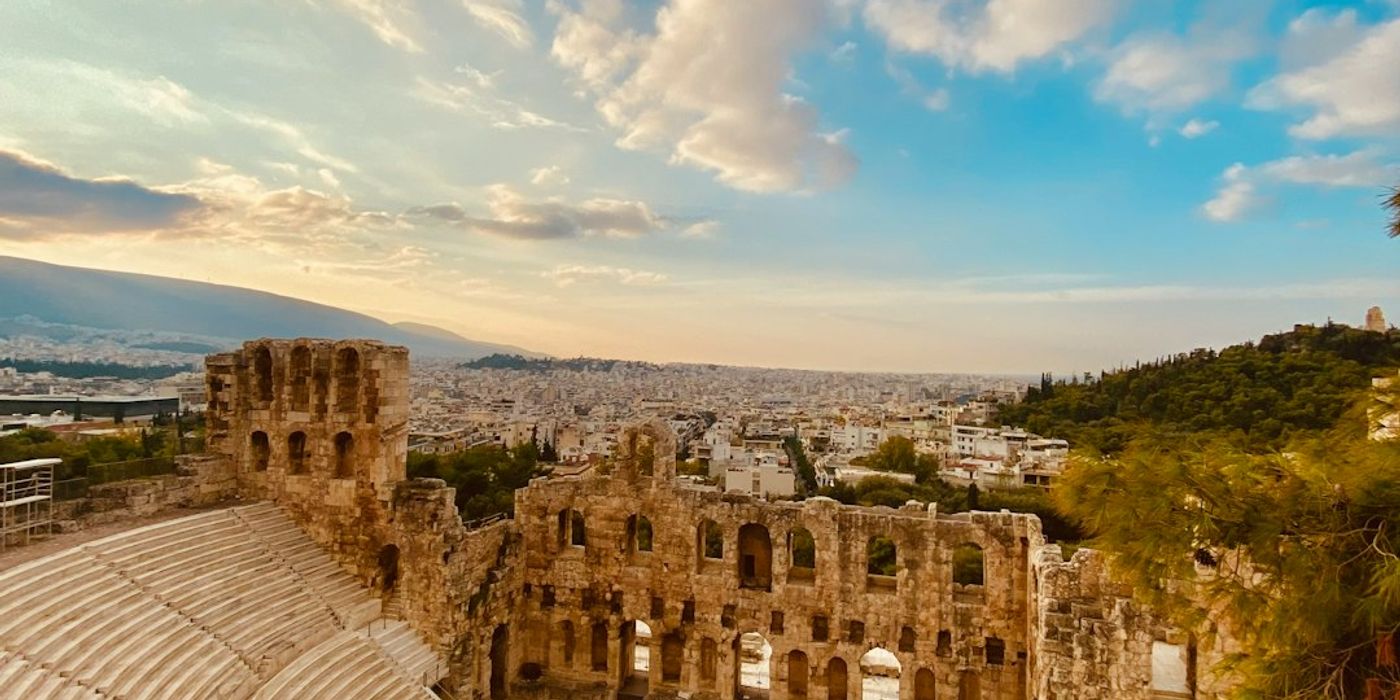
Guides · Athens
12 Top Things to Do in Athens, Greece

CEO and co-founder
This guide ranks the 12 top things to do in Athens for travellers planning three to four days in the Greek capital in 2026. Each entry includes the exact street address, nearest metro station, distance from Syntagma Square (the city's official centre), and a Pro Tip - whether to book the Acropolis at 8am opening, when to skip the Parthenon for the Acropolis Museum, or how to time a Lycabettus sunset. The list is grouped to follow walking routes through Plaka, the Acropolis, the Agora, and Syntagma.
Athens condenses 7,000 years of urban life into a 4 km radius. Eight of these top 12 things to do in Athens are within walking distance of the Acropolis - which is why the city rewards a base hotel in Plaka, Koukaki, or Monastiraki. The Acropolis Combined Ticket (EUR 30) covers the Acropolis plus six other sites and pays for itself in two visits. Reserve the Acropolis at least 3 days ahead in summer; everything else is walk-in. Cape Sounion at sunset is the city's best half-day escape.
1Acropolis and Parthenon - The Symbol of Western Civilisation
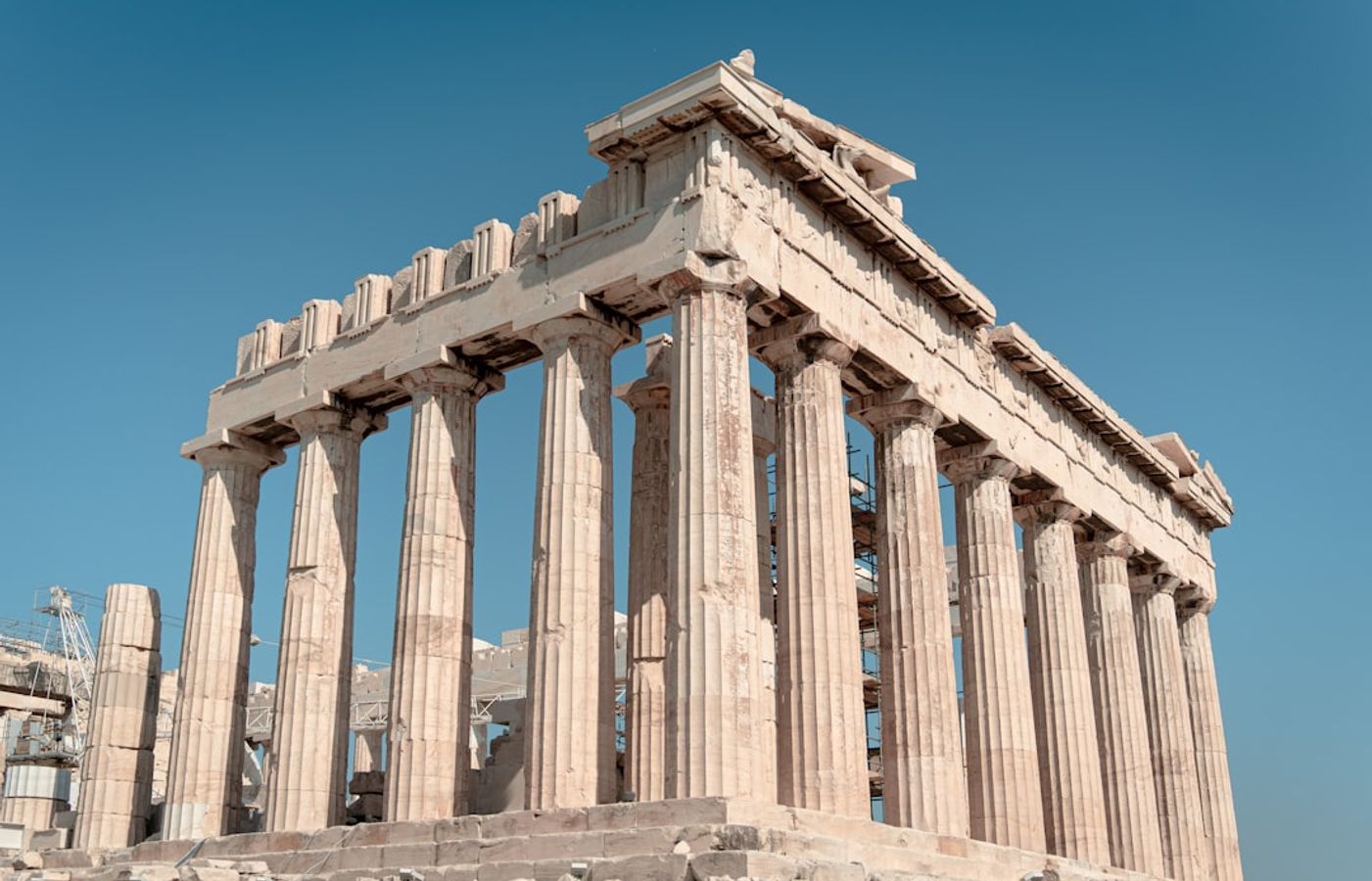
The Acropolis is the single most consequential ruin in Western history - a 156-metre limestone outcrop crowned by the Parthenon (447-432 BC), the Erechtheion with its Caryatid porch, the Temple of Athena Nike, and the monumental Propylaea gateway. UNESCO inscribed the Acropolis of Athens in 1987. Phidias's Parthenon, built under Pericles in just 15 years, is the most copied building on Earth.
The Parthenon is in continuous restoration - cranes will be visible until at least 2030 - but the platform itself stays open. The site requires timed entry tickets via the official odysseus.culture.gr site (book 3-7 days ahead in summer). The Combined Ticket EUR 30 covers the Acropolis plus the Ancient Agora, Roman Forum, Olympion, and four other sites. Allow 2-3 hours minimum.
Pro Tip: Book the 8am opening slot - by 11am the marble surface is hot enough to burn through trainers, and 4,000 cruise passengers arrive in waves. Bring a hat and 1.5 litres of water. The southwest entrance (off Dionysiou Areopagitou) has shorter queues than the main entrance.
2Acropolis Museum - The Reunified Parthenon Marbles
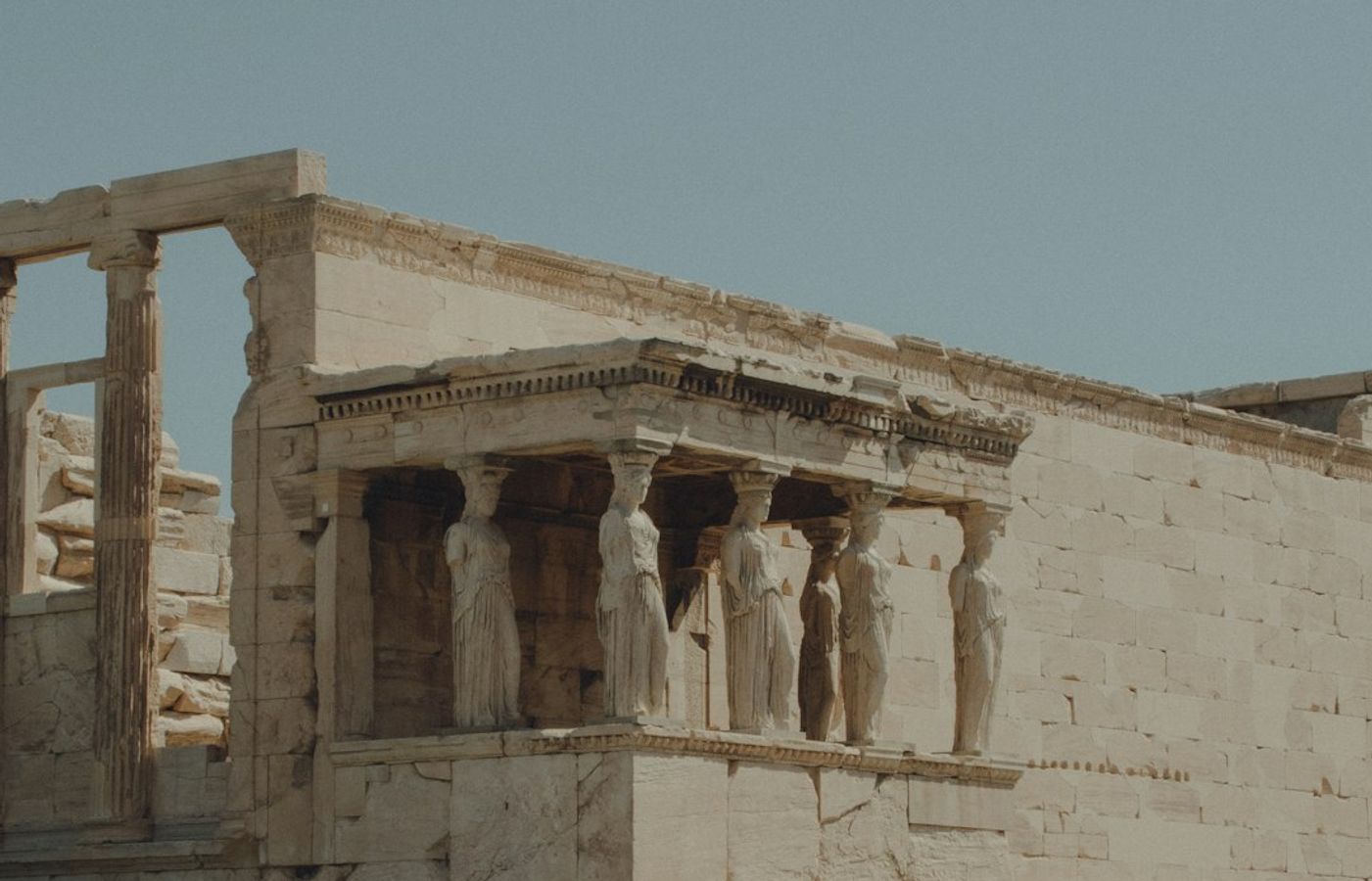
Bernard Tschumi's 2009 Acropolis Museum is the most thoughtful museum building in Europe. Glass floors above an in-situ archaeological dig at the entrance, the original Caryatids (5 of 6 - the sixth is in the British Museum), and a top-floor Parthenon Gallery of exact dimensions facing directly towards the Parthenon itself, 300 metres uphill.
The Parthenon Gallery displays the surviving frieze, metopes, and pediments alongside white plaster casts of the missing pieces (still in London at the British Museum) - a visual argument for repatriation that has shifted UK public opinion since 2009. Entry is EUR 15. Allow 2-3 hours.
Pro Tip: Visit the Acropolis Museum after the Acropolis itself - the museum's Parthenon Gallery makes more sense once you have just walked the Parthenon platform. Friday late opening (until 10pm) is the quietest. The museum cafe terrace has the best Acropolis view in Athens.

3Plaka - The Old Neighbourhood Beneath the Acropolis
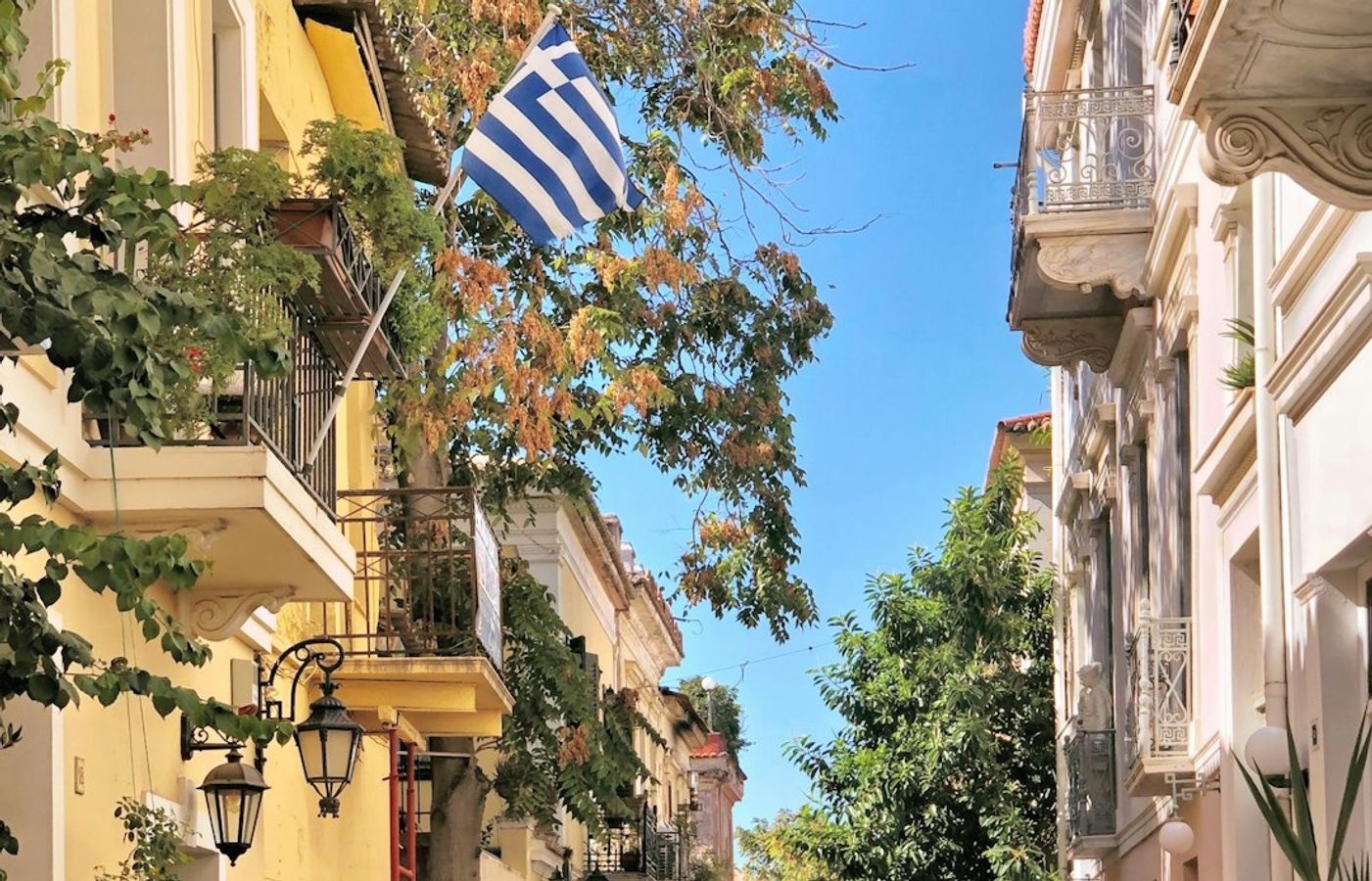
Plaka is Athens's old town - a labyrinth of pedestrian alleys, neoclassical houses with bougainvillea spilling over their walls, Byzantine churches dating from the 11th century, and tavernas with vine-shaded terraces. The neighbourhood predates modern Greece (founded 1832) and sits on top of the ancient agora and Roman forum, with archaeological remains visible in basement bars.
Walk the main spine from Adrianou Street to Lysikratous Square. Stop at the Lysicrates Monument (335 BC, the oldest surviving choragic monument), the Tower of the Winds in the Roman Forum, and the Mnemonic stone of Hadrian's Library. Skip the souvlaki touts on Adrianou and head to side streets for tavernas where Greeks actually eat.
Pro Tip: Walk Plaka in the late afternoon (5-7pm) when the marble pavements glow in the sun and tavernas open. Lunch at Kalimera Geia Sou or Klepsidra; coffee at Yiasemi on Mnesikleous Steps; aperitivo at the rooftop of A for Athens for the Acropolis sunset shot.
4Ancient Agora - The Birthplace of Democracy
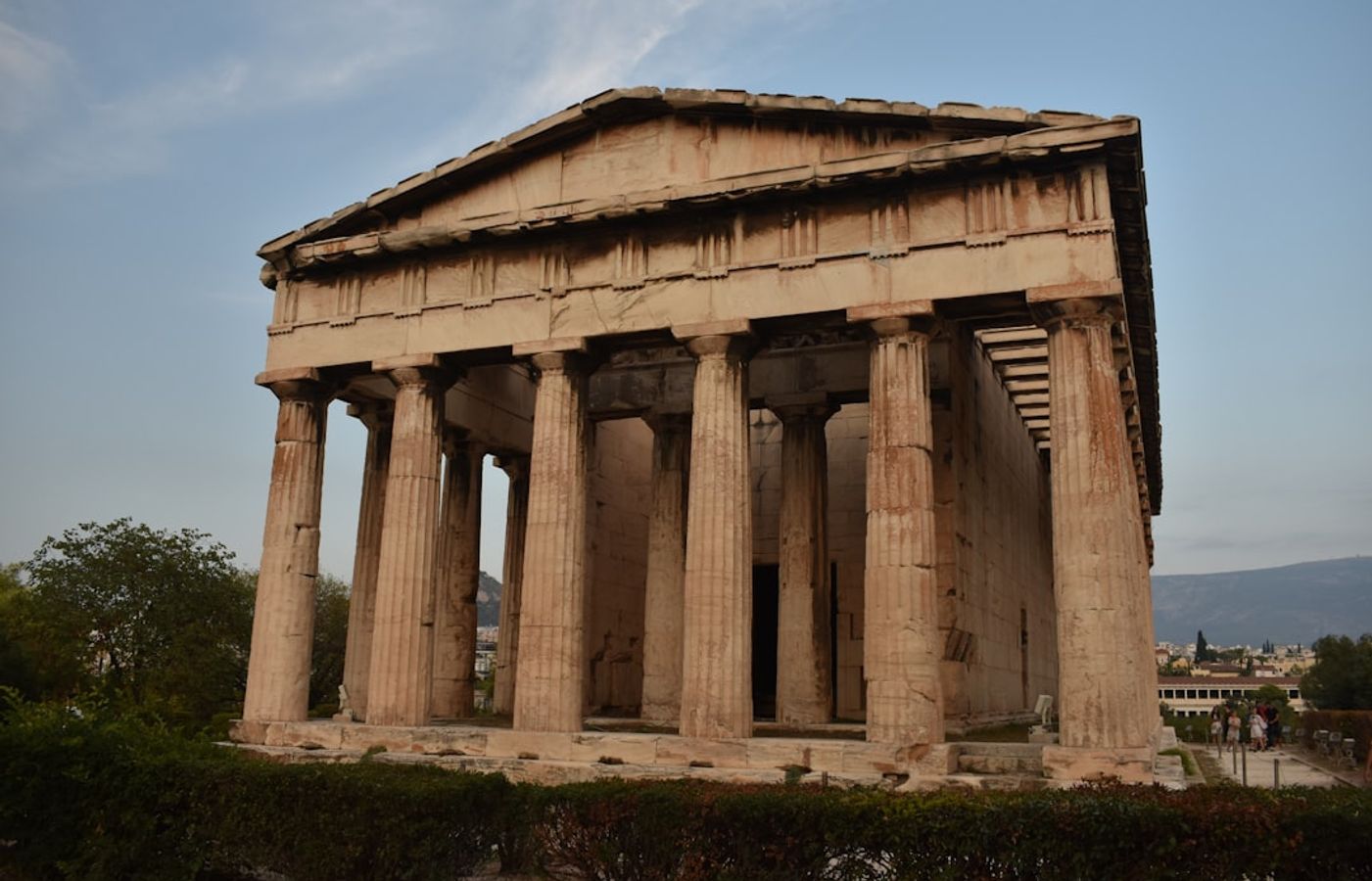
The Ancient Agora was Athens's civic, commercial, and judicial heart for 1,200 years - where Socrates argued, Plato learned, and the world's first democracy met for jury duty. The site preserves the Stoa of Attalos (a fully reconstructed 2nd-century BC arcade now housing the Agora Museum) and the Temple of Hephaestus, the best-preserved Doric temple anywhere.
The Agora is included in the Acropolis Combined Ticket (EUR 30) or EUR 10 standalone. The Stoa of Attalos museum holds ancient ostraka - shards of pottery scratched with names of Athenians being voted into exile (the original ostracism). Allow 90 minutes.
Pro Tip: Enter from the south gate (Polygnotou Street) for fewer crowds and a better walking line to the Temple of Hephaestus. Pair with the Roman Forum and Hadrian's Library, both five minutes east, for a one-ticket morning of ancient ruins.
5National Archaeological Museum - The Greatest Greek Antiquities
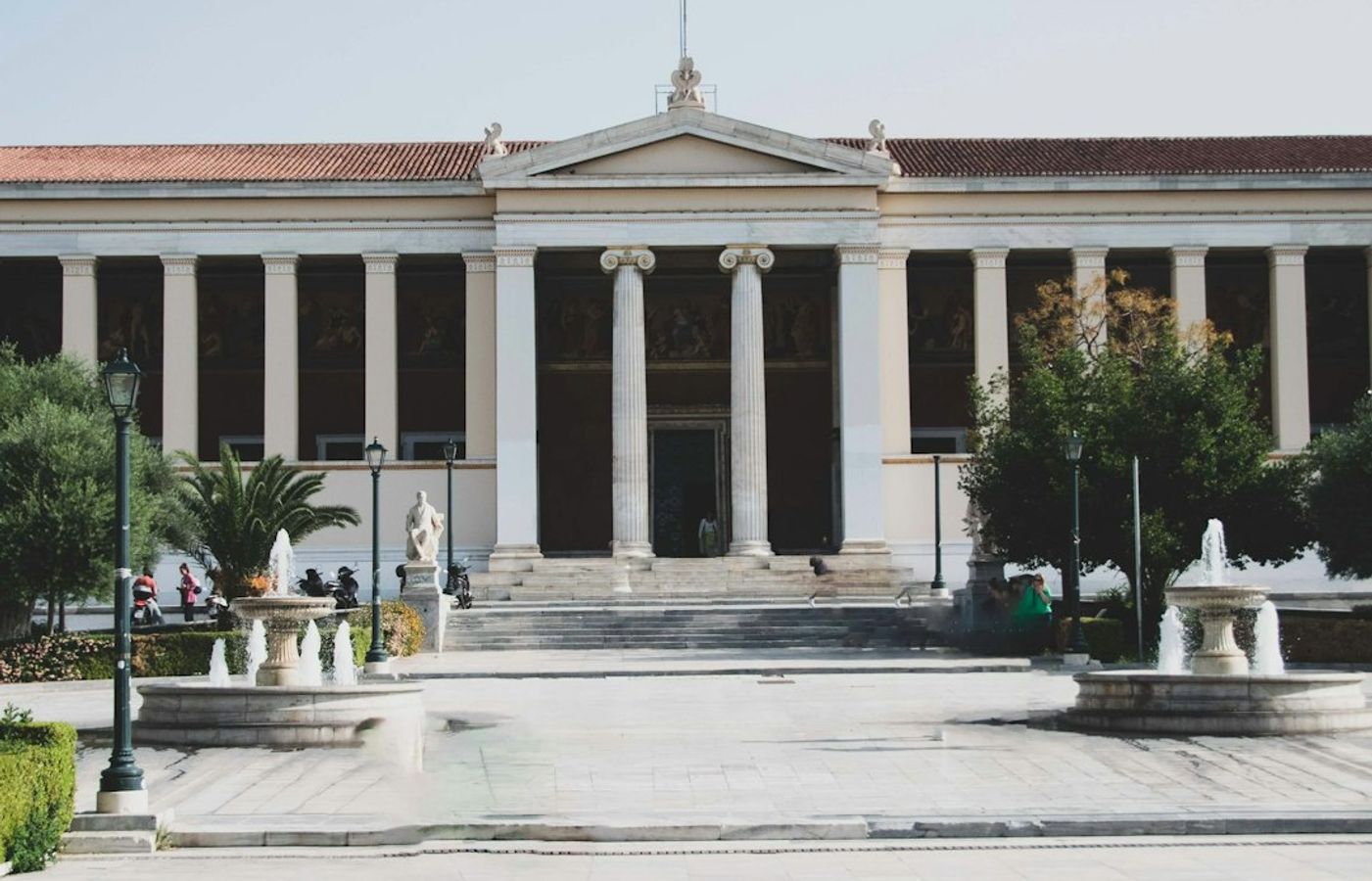
The National Archaeological Museum holds the world's most important collection of Greek antiquities - 11,000 objects across 8,000 sq m of galleries. The unmissable pieces are the gold Mask of Agamemnon (excavated by Schliemann at Mycenae in 1876), the bronze Antikythera Mechanism (the world's oldest analogue computer), the Jockey of Artemision, and the frescoes from Akrotiri (the Bronze Age Pompeii of Santorini).
Entry is EUR 12 (free first Sunday of the month, October-March). Allow 3 hours minimum. The museum is in Exarchia, a politically charged but safe-by-day neighbourhood with the city's best graffiti, vinyl shops, and student bars.
Pro Tip: Visit Wednesday or Thursday morning when school groups are at the Acropolis. The museum closes at 4pm except Tuesday (when it opens 1-8pm) - so plan a Tuesday afternoon visit if you also want to do the Acropolis at the 8am opening.
6Mount Lycabettus - The Highest Hill in Athens
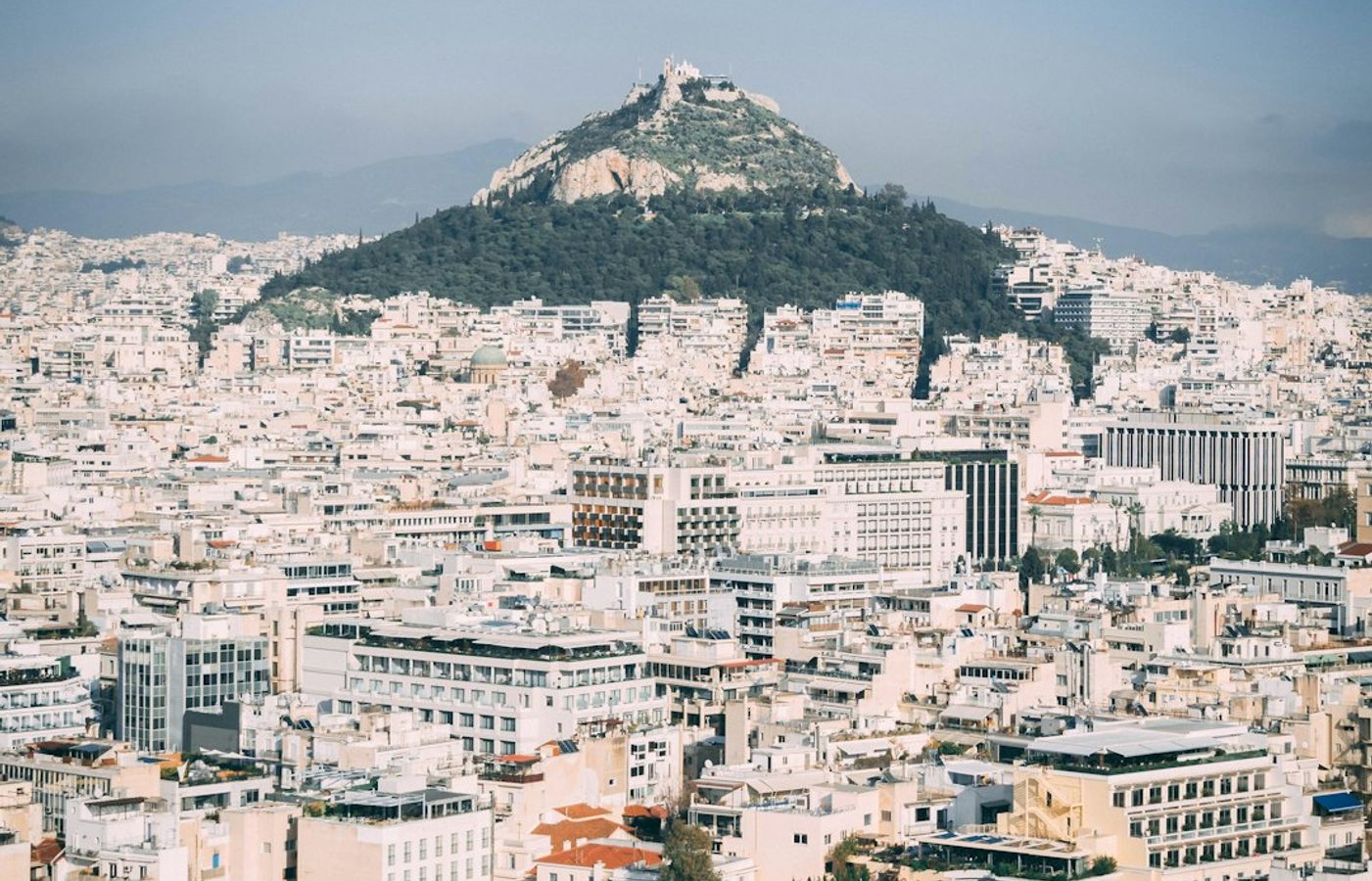
Mount Lycabettus is the highest point in Athens at 277 metres - a limestone cone topped by the whitewashed Chapel of St George (Agios Georgios) and a panoramic terrace with the city's widest view, from the Saronic Gulf to Mount Hymettus to the Acropolis just below. The hill is the geological remnant of an ancient sea floor; legend has it Athena dropped it while building the Acropolis.
The funicular runs from Aristippou Street in Kolonaki to the summit in 4 minutes (EUR 10 return, every 30 min from 9am to 2.30am). The walking trail from Plateia Dexamenis takes 30 minutes uphill - shaded, stepped, free. The summit cafe-restaurant Orizontes is touristy but the views over the Acropolis at sunset justify a single drink.
Pro Tip: Time arrival for 30 minutes before sunset - the Acropolis turns rose-gold at golden hour and the funicular queues thin. The terrace just below the chapel (free, public) has a better view than the paid cafe.
7Syntagma Square and Changing of the Guard
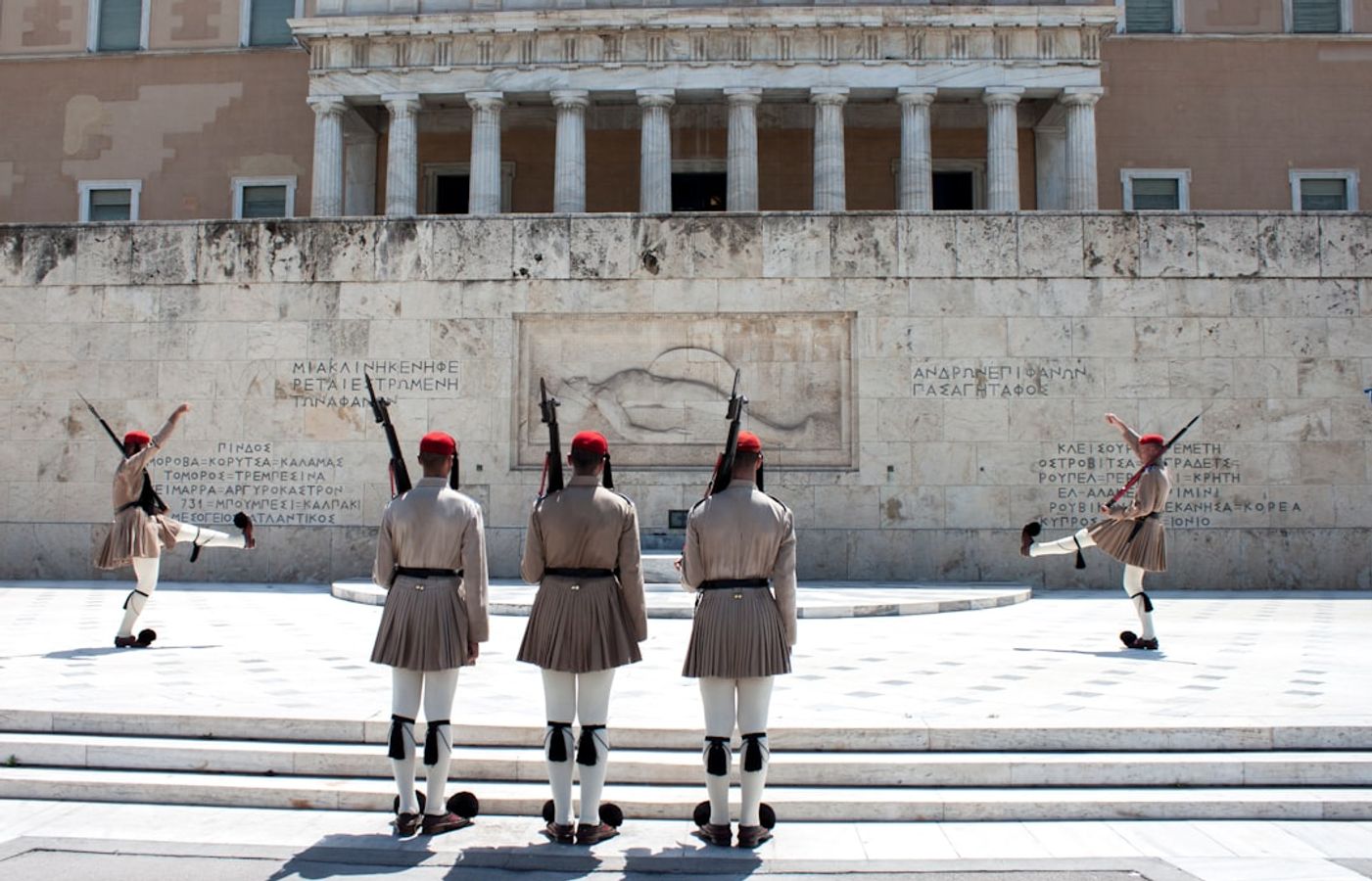
Syntagma (Constitution) Square is Athens's official centre - a 19th-century neoclassical plaza in front of the former Royal Palace, now the Hellenic Parliament. The square hosts the changing of the Evzones, Greece's elite presidential guard, in their pleated foustanella skirts (with 400 pleats representing each year of Ottoman rule) and clog shoes weighing 3 kg each. The hourly ceremony at the Tomb of the Unknown Soldier is a slow, ritualised exchange.
The full Sunday 11am ceremony is the showcase - the entire Evzones platoon parades up Vasilissis Sofias from the barracks with a brass band. Hourly changes Monday-Saturday are simpler. The square itself anchors the Athens metro hub and the start of Ermou shopping street.
Pro Tip: For the Sunday 11am full ceremony, arrive 30 minutes early to claim a spot at the parliament steps. Stand on the right (north) side of the Tomb of the Unknown Soldier for the best photo angle. The Hotel Grande Bretagne rooftop bar opposite has a balcony view if you'd rather pay for a comfortable seat.
8Panathenaic Stadium - The First Modern Olympic Stadium
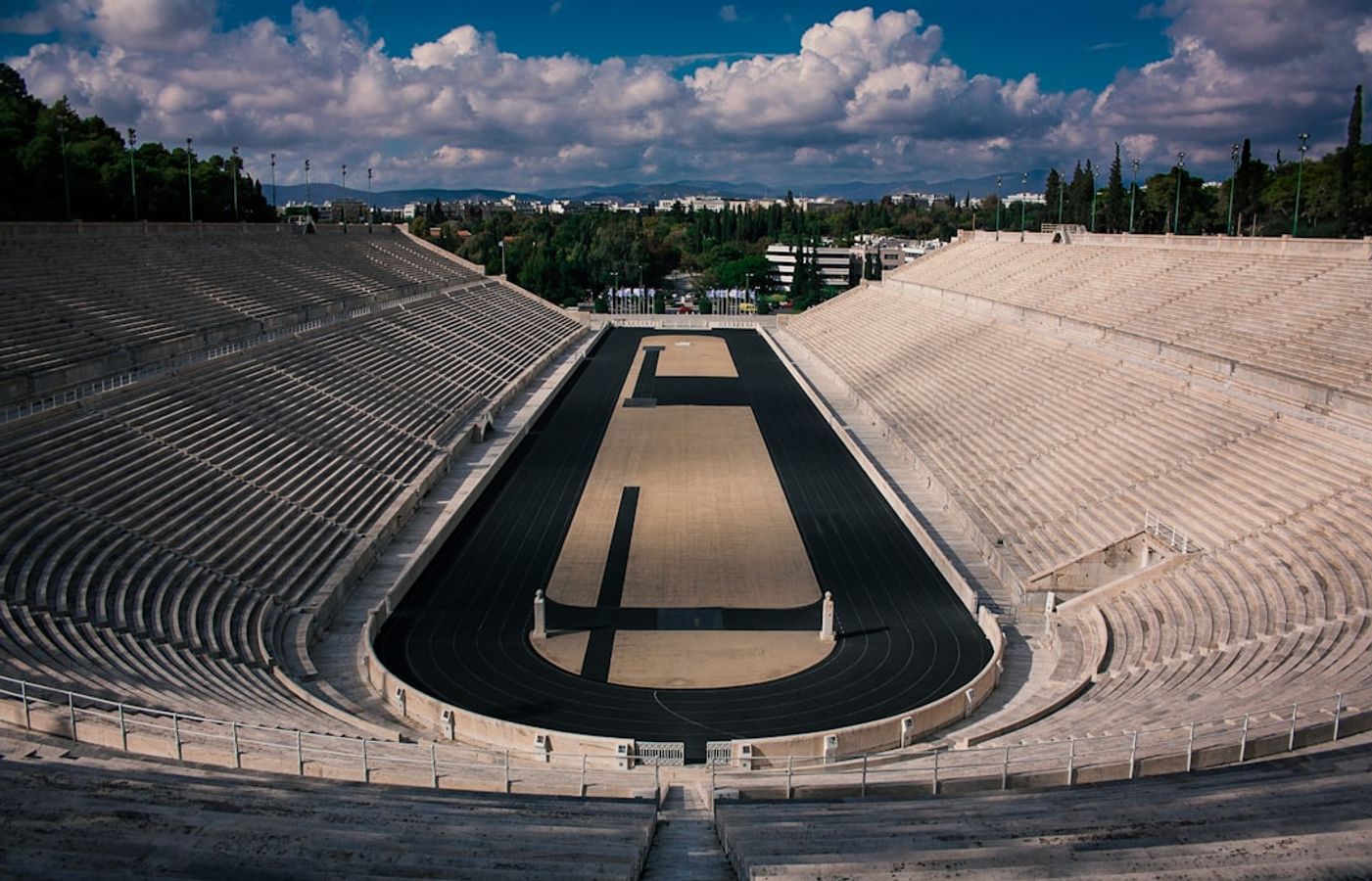
The Panathenaic Stadium (Kallimarmaro - 'made of fine marble') is the only stadium in the world built entirely from marble. Originally an ancient stadium from 330 BC for the Panathenaic Games, it was rebuilt in white Pentelic marble for the first modern Olympics in 1896. It now hosts the Olympic Flame ceremony and the finish line of the annual Athens Marathon.
Entry is EUR 10 with audio guide. You can run a lap of the 204-metre track, sit in the marble seats (50,000 capacity), and visit the underground tunnel where ancient and modern athletes entered. The vault gallery preserves Olympic torches from every Summer Games since 1936.
Pro Tip: Combine with the National Garden (free, adjacent), Zappeion Hall, and a walk to the Temple of Olympian Zeus - all within 1 km. Photo from the top tier looking down towards the Acropolis is the iconic shot.
9Temple of Olympian Zeus and Hadrian's Arch
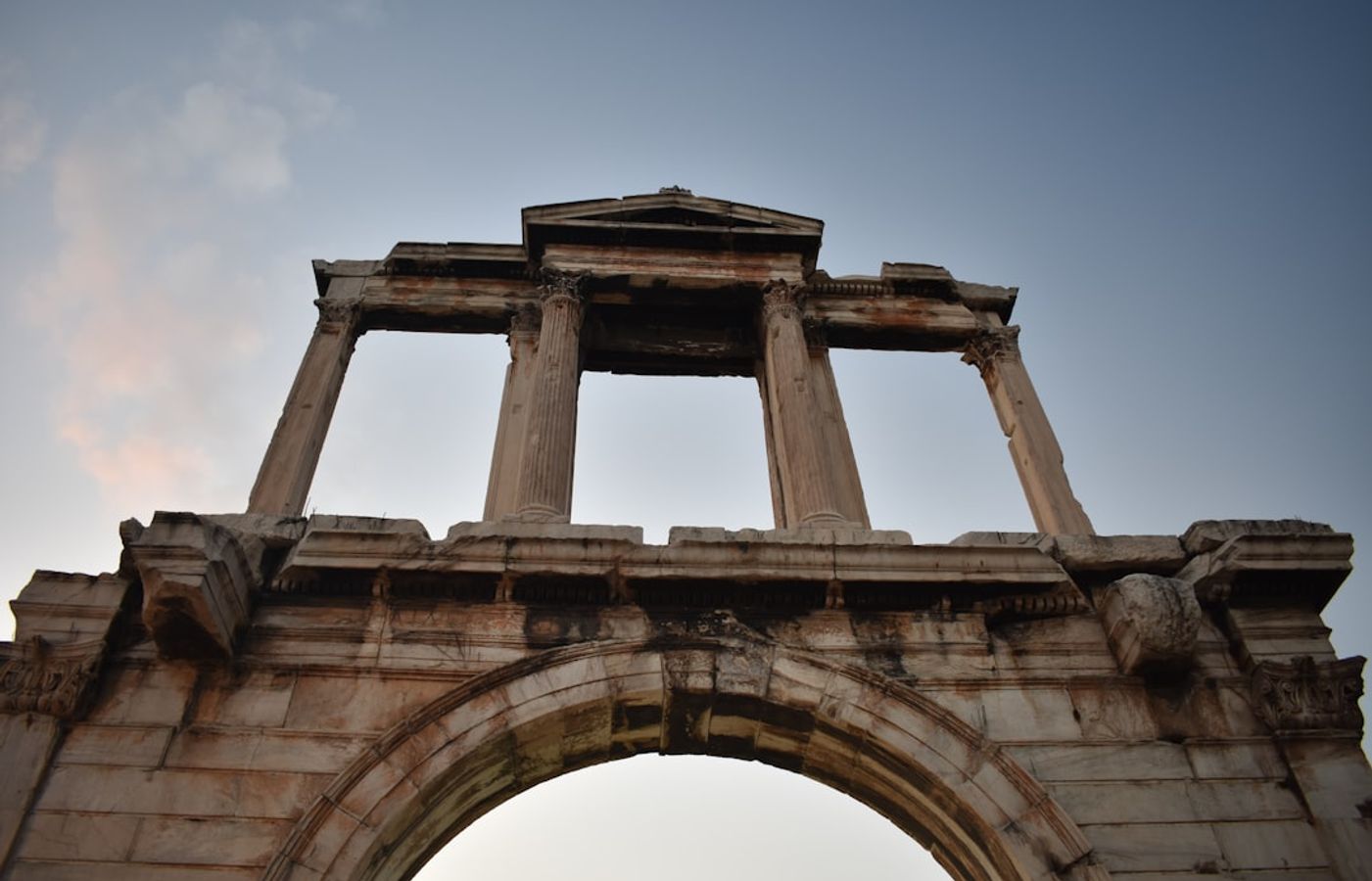
The Temple of Olympian Zeus (Olympion) was the largest temple in Greece - construction began in 6th century BC under Peisistratus and finished 638 years later in AD 131 by the Roman emperor Hadrian. Originally 104 Corinthian columns of Pentelic marble, 17 metres tall; today only 15 stand, plus one collapsed in a 1852 storm. The colossal scale dwarfs everything around it.
The adjacent Hadrian's Arch (AD 131) marked the boundary between the old Greek city and Hadrian's new Roman district. The west face inscription reads 'This is Athens, the ancient city of Theseus'; the east face 'This is the city of Hadrian, not of Theseus'. Entry to the temple is EUR 8 (or included in the Combined Ticket); the Arch is free outside.
Pro Tip: The Temple of Olympian Zeus is best photographed from outside the fence on Vasilissis Amalias Avenue - the columns frame the Acropolis behind. Five minutes is enough inside; the real view is from the road.
10Monastiraki Square and Flea Market - The Old Bazaar
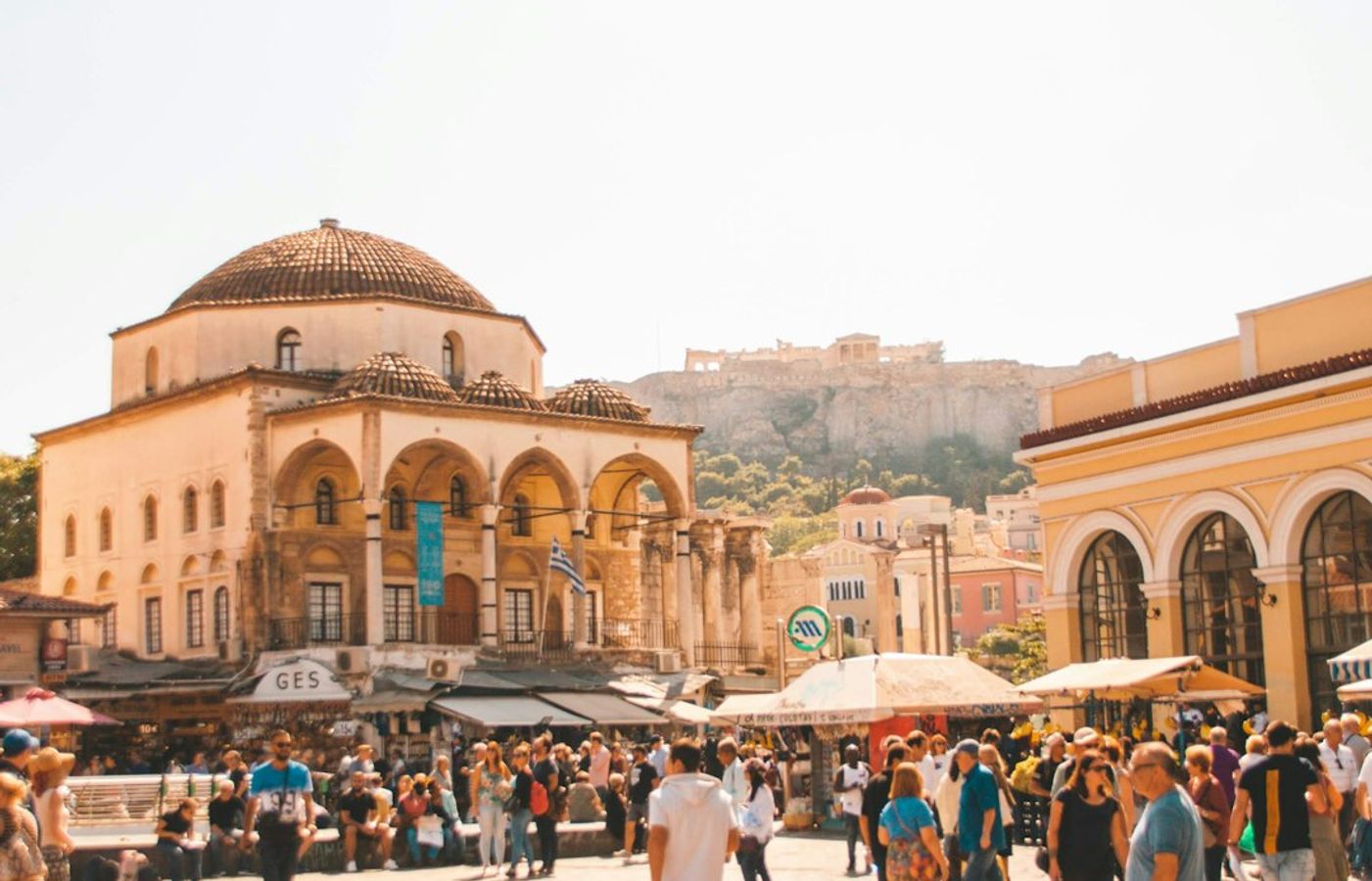
Monastiraki Square is Athens's working-class market heart - a tangle of antique shops, leather sandal makers, vinyl stores, and Sunday morning flea market stalls anchored by the 10th-century Byzantine Church of the Holy Apostles, Hadrian's Library ruins, and the Tzistarakis Mosque (1759, now a folk art museum). The Acropolis rises directly above the square.
The flea market itself is on Pandrossou and Ifestou Streets - busiest on Sunday mornings 8am-2pm when locals haggle over coins, vinyl, military memorabilia, and rebetiko bouzoukis. Melissinos the Poet Sandal Maker (Aghias Theklas 2) has hand-cut leather sandals for EUR 35 - John Lennon and Sophia Loren were customers.
Pro Tip: Skip the souvlaki places on Mitropoleos and walk one block to Bairaktaris (since 1879) or O Thanasis on Mitropoleos itself. The rooftop bar of the A for Athens hotel opposite has the best Acropolis-framed sunset cocktail in the city.
11Anafiotika - The Cycladic Village in Central Athens
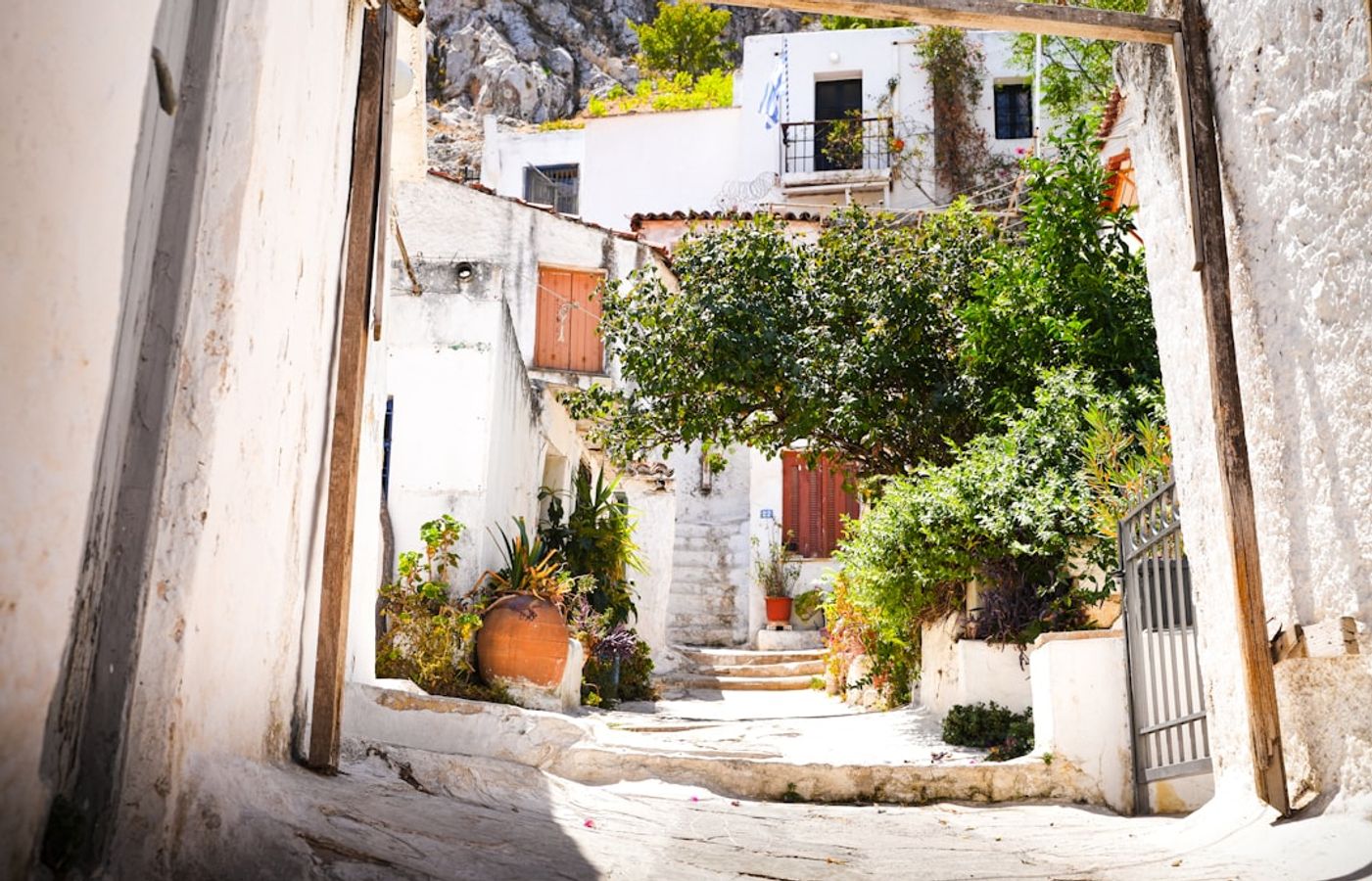
Anafiotika is a tiny district of 45 whitewashed houses with blue shutters, bougainvillea, and stepped alleys built into the north slope of the Acropolis - so quiet and self-contained it feels like a Cycladic island village dropped into central Athens. It was built in the 1860s by craftsmen from the island of Anafi (hence the name) brought to Athens by King Otto to construct the Royal Palace.
The neighbourhood is residential - 45 houses, 50 residents, three churches. Streets are too narrow for cars; cats laze on the steps. The walk from Plaka up Stratonos and Theorias Streets takes 10 minutes and is the most photogenic in Athens. No tickets, no fees, no commercial premises - just walk respectfully.
Pro Tip: Visit at 6-7am or after 7pm when light is golden and tour groups are absent. Residents request quiet - this is not Mykonos. From the top of Anafiotika you can climb the rocks behind the Acropolis for a free Parthenon view (and avoid the EUR 30 ticket if you only want a glimpse).
12Cape Sounion Day Trip - The Temple of Poseidon at Sunset
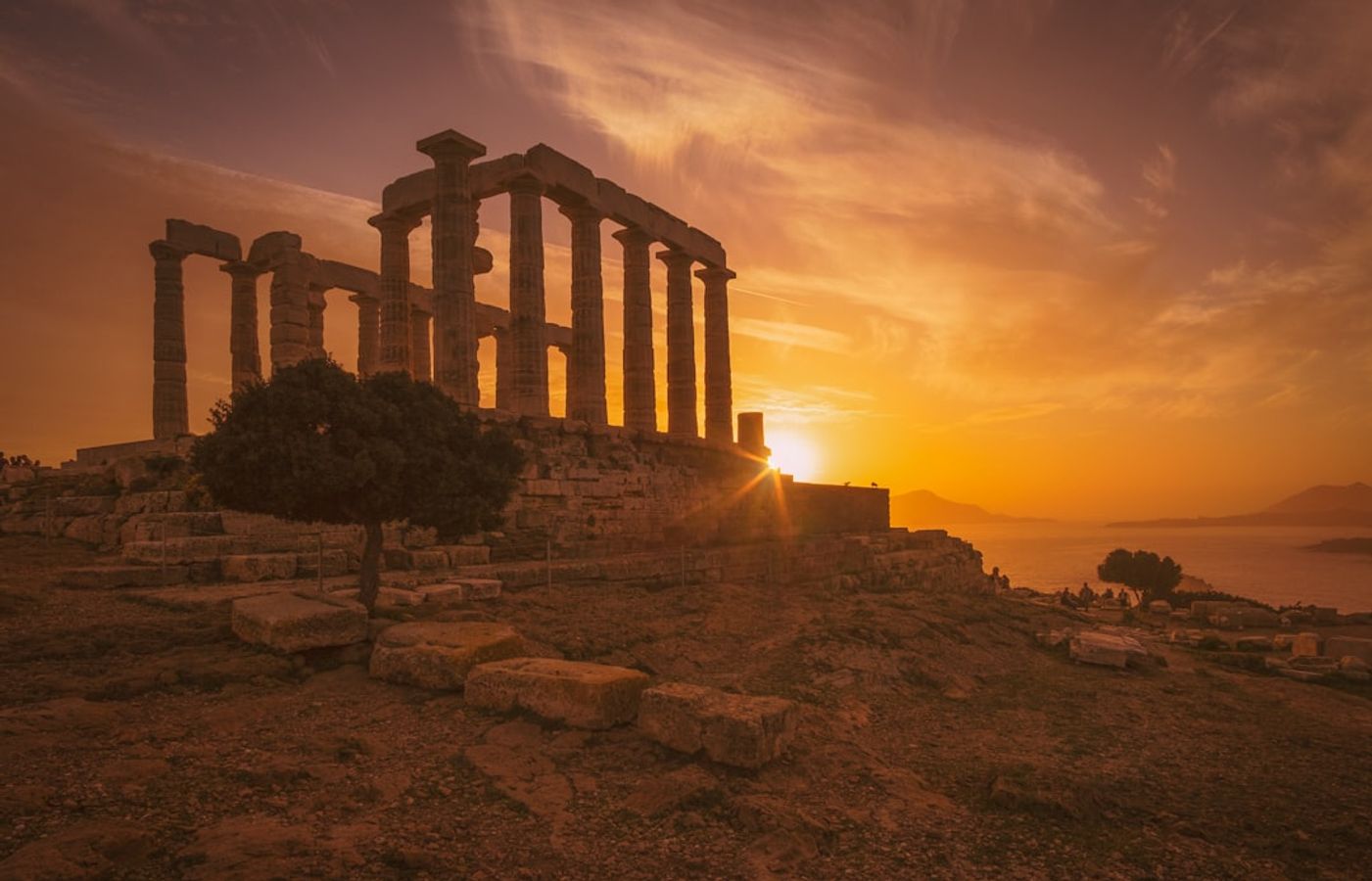
The Temple of Poseidon at Cape Sounion stands on a 60-metre cliff at the southernmost tip of Attica - 16 white Doric columns of local Agrileza marble, built in 444 BC at the same time as the Parthenon. Lord Byron carved his name into one of the columns in 1810 (look for it on the second column from the right). The temple's sunset view over the Aegean is the most photographed in mainland Greece.
KTEL Attikis buses run every 60-90 minutes from Pedion tou Areos park (Mavromateon Street) for EUR 7 each way. Journey is 90 minutes via the coastal Athens Riviera. Site entry is EUR 10. Allow 30 minutes at the temple plus 15 minutes for the coastal walk to the small pebble beach below.
Pro Tip: Take the 3.30pm bus from Athens to arrive at Cape Sounion 90 minutes before sunset. The last bus back is at 9.30pm in summer. Pack a light jacket - the cliff gets windy at dusk. The Aegeon taverna 200 m down the hill is the only decent restaurant nearby; book a table on the terrace at sunset.

CEO and co-founder
Tomas is the co-founder and director of Trip1, an European company specializing in reservation services. He launched the company in 2025 with a focus on building scalable, efficient operations.
12 Top Things to Do in Athens, Greece - FAQ
No - one day is not enough for Athens. The Acropolis alone takes 2-3 hours, the Acropolis Museum another 2 hours. A realistic plan covers 4-5 attractions per day. Three full days is ideal: day one Acropolis + Acropolis Museum + Plaka; day two Ancient Agora + Monastiraki + National Archaeological Museum; day three Lycabettus + Panathenaic Stadium + Temple of Olympian Zeus + Anafiotika + a Sounion sunset trip.
Group by geography. Day 1: Acropolis (8am opening), Acropolis Museum, Plaka, Anafiotika (all walkable). Day 2: National Archaeological Museum (Omonia metro), then Monastiraki Flea Market, Ancient Agora, Roman Forum. Day 3: Syntagma + changing of the guard, Panathenaic Stadium, Temple of Olympian Zeus, Lycabettus at sunset. Cape Sounion is a separate half-day.
The Acropolis sells timed entry tickets via the official odysseus.culture.gr site - book 3-7 days ahead in summer (last entry slots sell out). The Acropolis Combined Ticket (EUR 30) covers the Acropolis plus 6 other sites including the Agora, Roman Forum, Library of Hadrian, Olympion, and Kerameikos. The Acropolis Museum is walk-in. Cape Sounion KTEL bus tickets are bookable on the day.
Budget around EUR 70-90 per person for entry fees. The Combined Ticket (EUR 30) covers the Acropolis, Ancient Agora, and Temple of Olympian Zeus. Add Acropolis Museum (EUR 15), National Archaeological Museum (EUR 12), Panathenaic Stadium (EUR 10), and Lycabettus funicular (EUR 10 return). Plaka, Monastiraki, Syntagma, and Anafiotika are free. Cape Sounion bus is EUR 14 return.
Yes - the Acropolis is the single most important reason to come to Athens. The Parthenon is undergoing 30-year ongoing restoration but remains visible and the platform itself stays open. Visit at the 8am opening or after 5pm in summer to avoid 35 C heat and the cruise crowds. Pair with the Acropolis Museum below to see the original Caryatids and the Parthenon Frieze.
All 12 are reachable on Athens metro and walking. Acropolis, Acropolis Museum, Ancient Agora, Plaka, Anafiotika, and Olympion cluster around Akropoli (Line 2) and Monastiraki (Lines 1, 3). Syntagma (Lines 2, 3) covers the square, Panathenaic Stadium (10-min walk), and Lycabettus base. National Archaeological Museum is at Victoria (Line 1). Cape Sounion needs the KTEL bus from Pedion tou Areos.
If you have a fourth day, consider the Benaki Museum (Greek art from antiquity to modern times), Kerameikos cemetery (the original ancient Greek burial ground), the Stavros Niarchos Foundation Cultural Centre (Renzo Piano's 2016 masterwork in Faliro), the Athens Central Market in Varvakios, and the seaside neighbourhoods of Glyfada and Vouliagmeni for swimming.