Venice Travel Guides
Browse and explore the best travel guides in Venice.
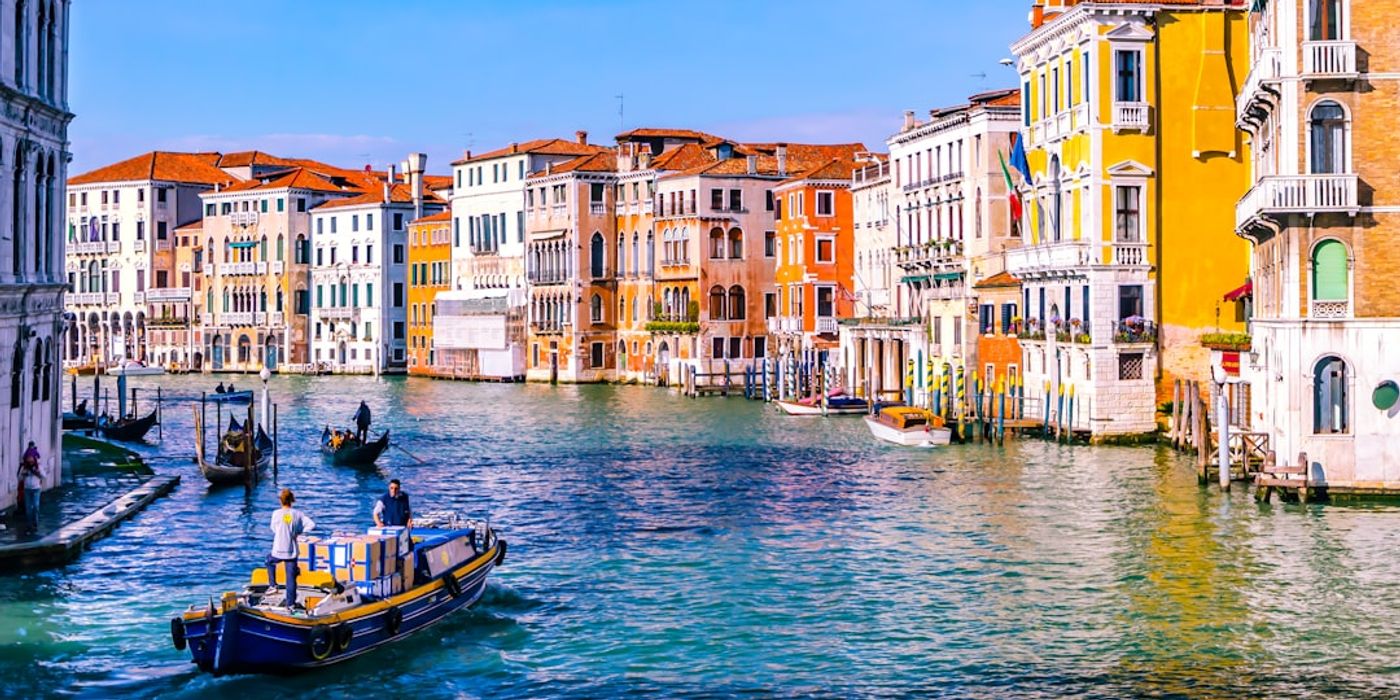
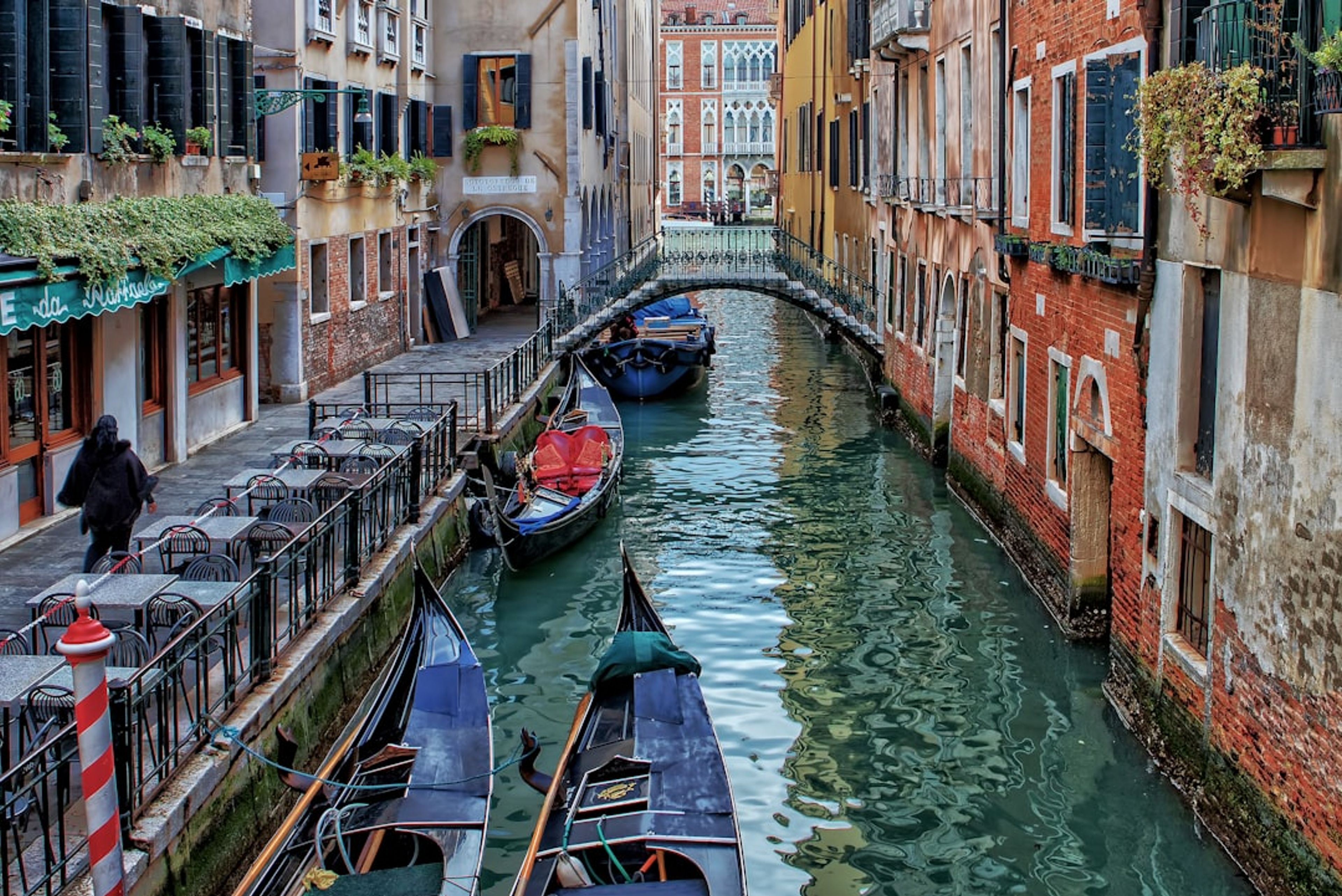
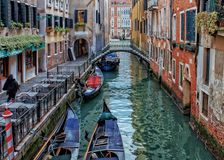
Venice is the capital of Italy's Veneto region and one of the most singular cities on Earth - a historic centre built across 118 small islands in the Venetian Lagoon, connected by more than 400 bridges and threaded by over 150 canals. Founded in the 5th century and a maritime power for nearly a thousand years as the Republic of Venice, the city has been a UNESCO World Heritage Site since 1987. The entire historic core is car-free; movement happens on foot or by water.
The city is divided into six sestieri (districts): San Marco, Cannaregio, Castello, Dorsoduro, San Polo, and Santa Croce. The Grand Canal forms a reverse-S backbone through the heart of the city, lined with Gothic and Renaissance palaces. Beyond the main island, the lagoon includes Murano (famed for glassmaking), Burano (painted fishermen's houses and lacework), Torcello (Byzantine ruins), and the Lido (Venice's beach). Public transport is the ACTV vaporetto network - waterbuses that run like surface metros.
Venice draws roughly 25-30 million visitors a year, so timing matters. Spring and autumn are the most comfortable seasons; July and August are hot, crowded, and prone to acqua alta tides in November and December. The historic city is small enough to cross on foot in under an hour, but the maze of alleys (calli) and canals means even locals get lost - that is part of the appeal.
Venice Travel Facts
Venice Travel Guides
Stay in the loop
Get the latest deals, new destinations, and travel tips delivered straight to your inbox.
No spam, unsubscribe anytime.
Latest Travel Guides
Venice Destination FAQ
April-May and September-October are the sweet spots in Venice. Temperatures sit at a comfortable 15-22°C, the long daylight hours suit walking the sestieri, and the worst of the summer cruise crowds are absent. July and August are hot, humid, and packed - hotel prices peak and many residents leave the city. November-December bring acqua alta tides that can flood Piazza San Marco, but the off-season Carnevale lead-up has its own atmosphere.
There are two main options from Venice Marco Polo Airport (VCE), 13 km from the historic centre. The Alilaguna water bus runs three colour-coded lines (Blue, Orange, Red) directly into the lagoon and stops at San Marco, Rialto, and other key points - journey time 60-90 minutes, around EUR 15 one-way. For a faster overland route, ATVO Bus 35 or ACTV Bus 5 reaches Piazzale Roma in about 20 minutes for EUR 10, where you transfer to a vaporetto. Water taxis cost EUR 110-150 but drop you at your hotel's water gate.
Walking and the vaporetto are the only real options. The historic centre is entirely car-free and small enough to cross on foot in 45-60 minutes - most travellers cover the main sights this way. The ACTV vaporetto network runs 19 lines on the canals; Line 1 down the Grand Canal is the cheapest sightseeing tour in Europe at EUR 9.50 per single ride. Buying a 24-hour (EUR 25), 48-hour (EUR 35), or 72-hour (EUR 45) pass pays off after three trips. Traghetto gondolas cross the Grand Canal at seven points for EUR 2.
Three full days is the realistic minimum to see Venice without rushing. Day one covers the San Marco core (Basilica, Doge's Palace, Campanile, Bridge of Sighs). Day two crosses the Rialto for San Polo, Dorsoduro, and the Accademia or Peggy Guggenheim. Day three takes the vaporetto out to Murano and Burano. Add a fourth day if you want to slow down in Cannaregio or visit Torcello, the Lido, or the Biennale grounds in Castello.
Venice is one of the safest major cities in Europe. Violent crime is rare, the historic centre has no cars, and police patrols around San Marco are constant. The main risk is pickpocketing in dense tourist zones - Rialto Bridge, Piazza San Marco, and crowded vaporetti at peak hours. Watch for the standard tricks (someone bumping into you, fake petitions, distraction acts). Venice also charges a day-tripper fee on peak dates in 2026 (around EUR 5-10) for visitors not staying overnight; check the official site before arrival.
On trip1, you can book hotels across Venice and pay with over 50 cryptocurrencies including Bitcoin, Ethereum, and USDC. trip1 covers 3 million+ hotels in 190+ countries, making it easy to find and book accommodation with crypto.
Venice is divided into six sestieri. San Marco is the political and visitor heart - Basilica, Doge's Palace, the main square. San Polo and Santa Croce sit across the Grand Canal and centre on the Rialto market. Dorsoduro to the south is the artsy district with the Accademia and Peggy Guggenheim. Cannaregio in the north includes the Jewish Ghetto and quieter local life. Castello to the east holds the Arsenale and the Biennale gardens. Picking a base outside San Marco usually means cheaper rooms and quieter streets at night.
The lagoon islands come first. Murano (10 min by vaporetto Line 4.1 or 4.2) for glass furnaces, Burano (40 min onward) for painted houses and lace, and Torcello (5 min from Burano) for the 7th-century Byzantine cathedral. Beyond the lagoon, Padua is 30 minutes by train and home to Giotto's Scrovegni Chapel frescoes. Verona, of Romeo and Juliet fame, is 70 minutes by Frecciarossa. The Dolomites and Lake Garda are reachable in 2-3 hours for a longer day.