Guides · Rome
10 Top Things to Do in Rome, Italy

CEO and co-founder
This guide ranks the 10 top things to do in Rome - the places that genuinely earn a spot on your itinerary whether you have a long weekend or a full week in the Italian capital. Each entry includes the exact street address, nearest Metro stop or bus line, walking distance from the historic centre, and a Pro Tip drawn from local insight. We have ordered the list to help you build efficient sightseeing routes - the Colosseum and Roman Forum form a natural ancient-Rome cluster, the Vatican Museums and St Peter's Basilica sit side by side across the Tiber, and the Pantheon, Trevi Fountain, and Piazza Navona form a tight historic-centre triangle you can walk in a single afternoon.
Rome rewards travellers who plan around timed entry. Five of the ten attractions on this list - the Colosseum, Roman Forum, Vatican Museums, Galleria Borghese, and the Pantheon - now use timed tickets that regularly sell out in peak season. The other five, including Piazza Navona, the Spanish Steps, and Trastevere, are free and open whenever you arrive. Build your three days around the booked slots, then fill the gaps with the open-air sights and long Roman lunches the city is built around.
1Colosseum - The Most Iconic Landmark in Rome
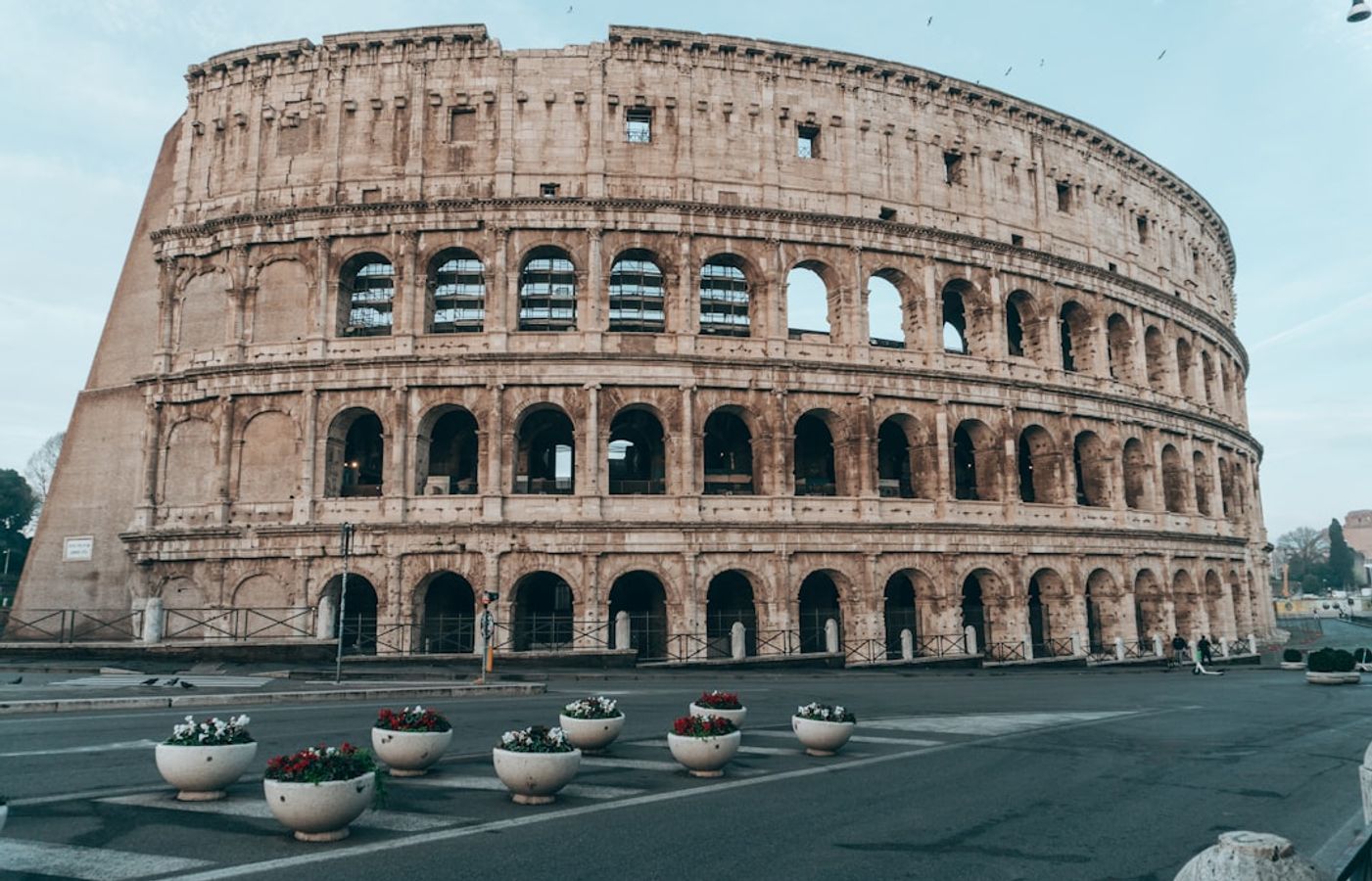
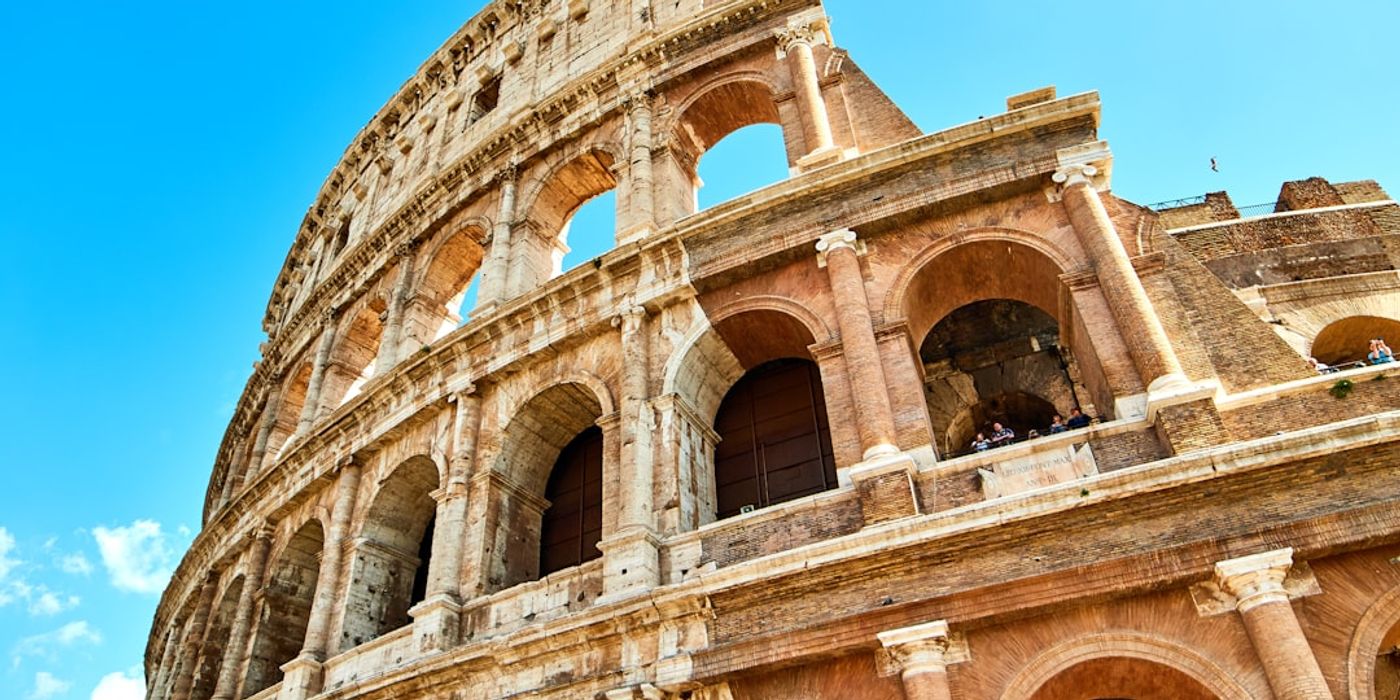
The Colosseum tops every list of things to do in Rome and remains the largest amphitheatre ever built. Inaugurated in 80 AD by Emperor Titus, the Flavian Amphitheatre once seated up to 50,000 spectators for gladiator games, mock naval battles, and public executions over nearly 400 years of use. Its tiered limestone arches, hypogeum tunnels, and partially restored arena floor are among the most recognisable images of antiquity.
Visit early on a timed-entry ticket and you avoid the worst of the queues; the standard combined ticket includes the Roman Forum and Palatine Hill, both within a five-minute walk. Splurge on the Full Experience ticket if you want access to the underground hypogeum and upper tiers. The Colosseum was named a UNESCO World Heritage Site in 1980 and a New Seven Wonder of the World in 2007.
Pro Tip: Book the first 8:30 AM entry slot and head straight to the underground hypogeum - the early tour groups stay small and the morning light through the arches is unbeatable for photography.
2Roman Forum & Palatine Hill - The Heart of Ancient Rome
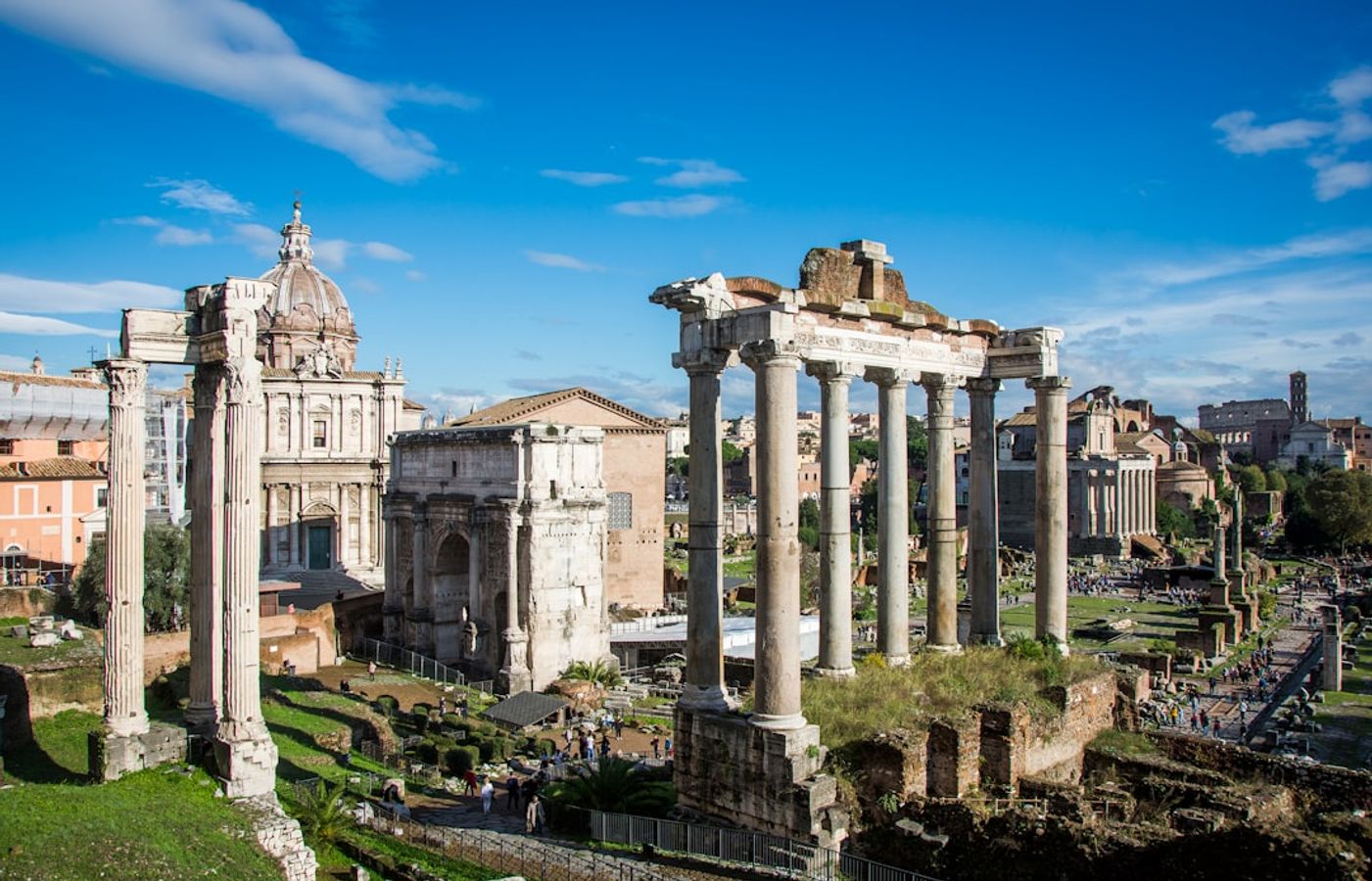
The Roman Forum and Palatine Hill sit beside the Colosseum and were the political, religious, and social heart of ancient Rome. Wandering down the Via Sacra you pass the Temple of Saturn, the Curia where the Senate met, the Arch of Septimius Severus, and the House of the Vestal Virgins - all in an open-air archaeological park with the Capitoline Hill towering above.
Climb up to Palatine Hill - the legendary site where Romulus founded Rome in 753 BC - for the imperial palaces of Augustus and Domitian and panoramic views over the Forum and Circus Maximus. The combined Colosseum-Forum-Palatine ticket covers all three sites within 24 hours, but most travellers tackle them in one long visit of four to five hours total.
Pro Tip: Enter via the quieter Via di San Gregorio gate at Palatine Hill, then descend into the Forum. You skip the busy Colosseum entrance crowd and end your visit closest to lunch in Monti.

3Vatican Museums & Sistine Chapel - The World's Greatest Art Walk
The Vatican Museums hold one of the greatest art collections on Earth, accumulated by popes over 500 years and laid out across roughly 7 km of galleries inside Vatican City. The route ends at the Sistine Chapel, where Michelangelo's ceiling (1508-1512) and Last Judgement cover almost every surface in some 5,000 square feet of frescoes that remain the high-water mark of Renaissance painting.
Highlights along the way include the Raphael Rooms, the Gallery of Maps, Laocoön and His Sons in the Pio-Clementine sculpture wing, and the Pinacoteca picture gallery with works by Caravaggio and Leonardo. Plan for a minimum of three hours and book online - walk-up queues frequently exceed two hours in spring and summer.
Pro Tip: Book a Friday-evening Vatican Museums ticket if available - the museums stay open until 22:30 in spring and summer and the Sistine Chapel is far quieter than during the day.
4St Peter's Basilica - The Largest Church in the World
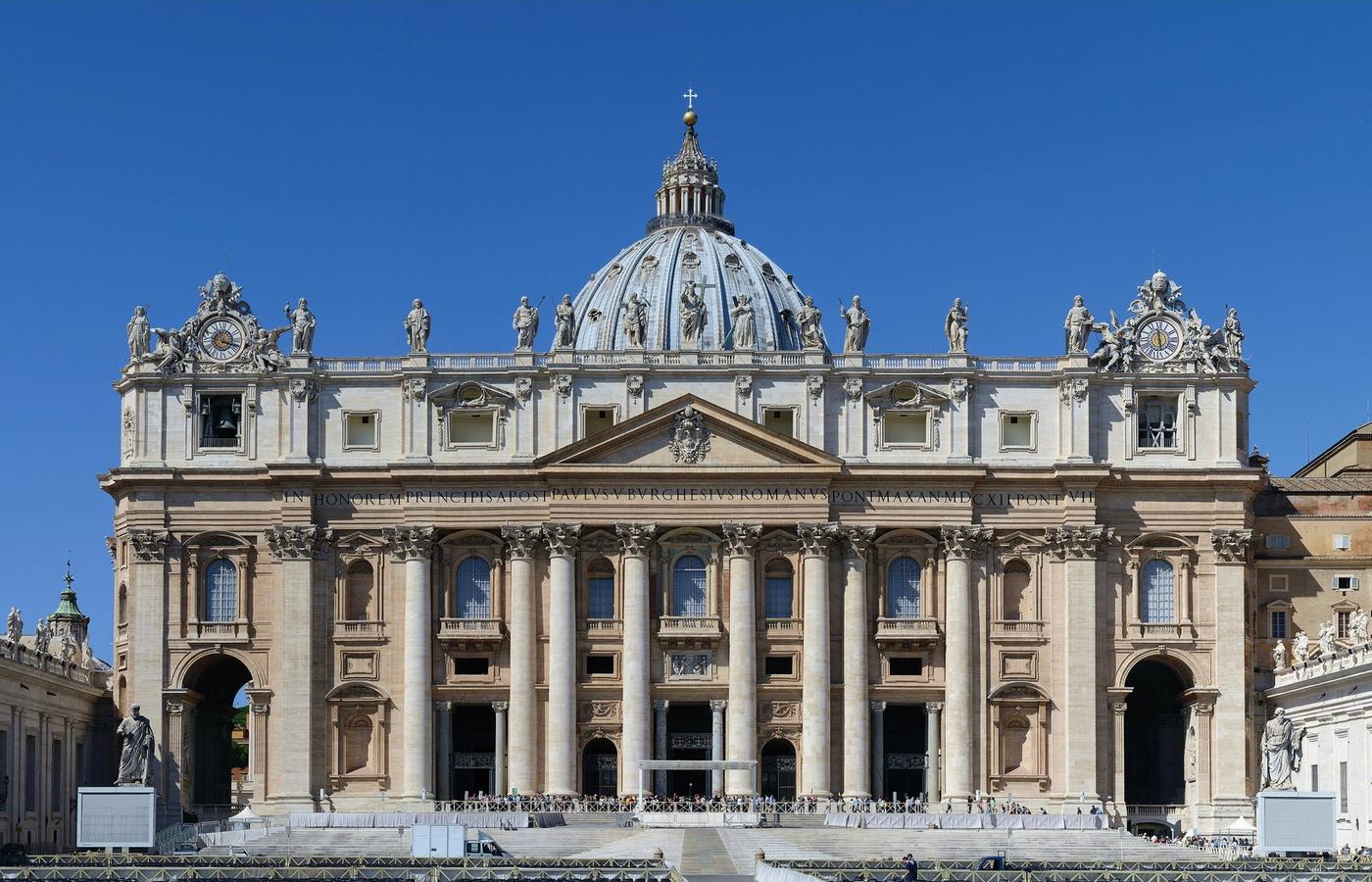
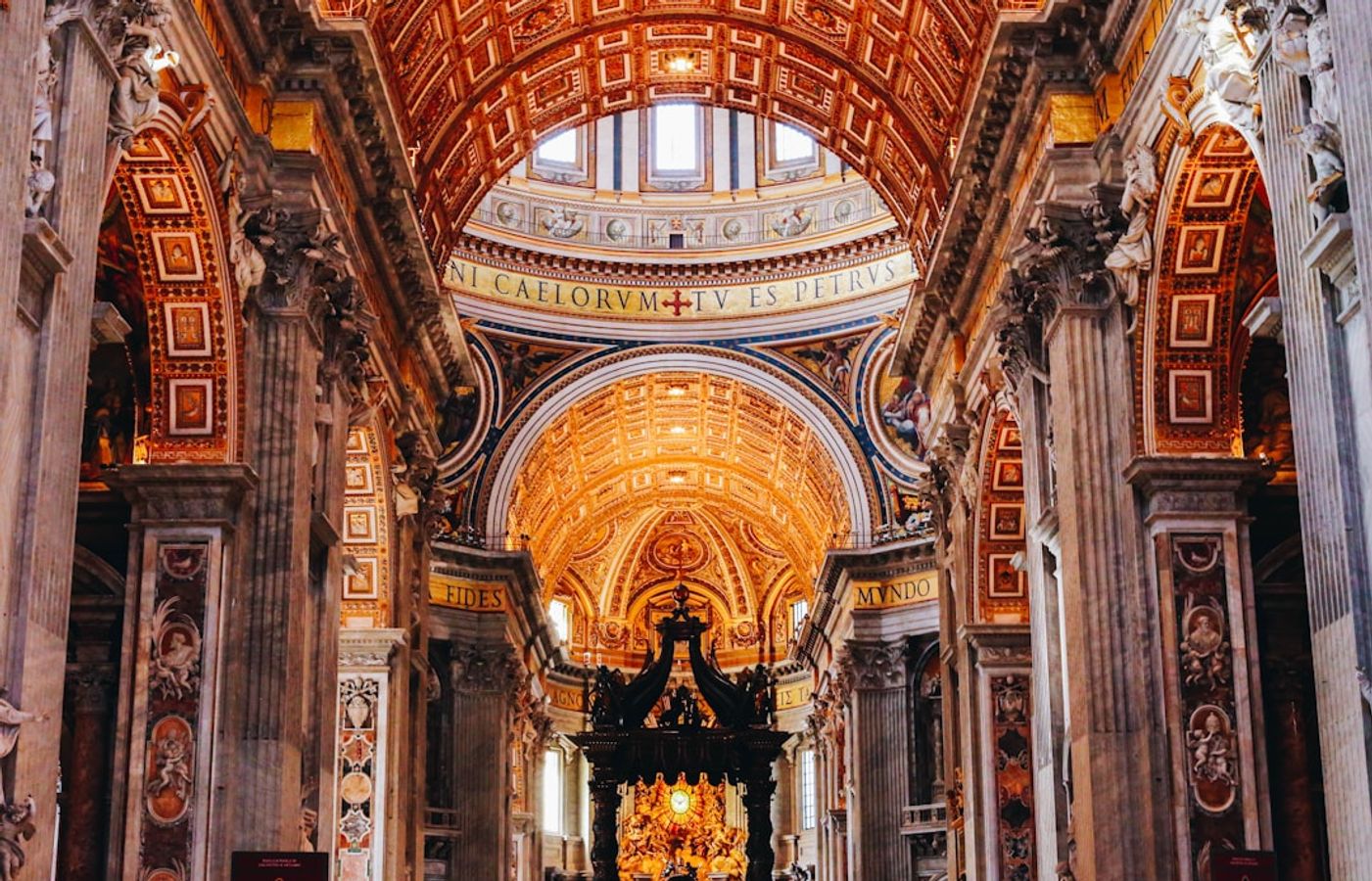
St Peter's Basilica is the largest Catholic church in the world and the spiritual heart of Vatican City, built directly above the tomb of the apostle Peter. The current Renaissance basilica - completed in 1626 - was designed in turn by Bramante, Michelangelo, Maderno, and Bernini, who shaped the dome, the colonnaded square outside, and the giant baldachin over the high altar.
Inside, do not miss Michelangelo's Pietà to your right as you enter (now behind glass), Bernini's bronze baldacchino under the dome, and the Treasury Museum. Climb 551 steps - or take the lift partway and finish on foot - to the dome cupola for one of the great views of Rome. Entry to the basilica is free; the dome climb is around €10 by lift, €8 on foot.
Pro Tip: Arrive at 7:00 AM when the basilica opens and you will share it with priests and diplomats rather than tour groups. The dress code (no bare shoulders or knees) is enforced strictly even at sunrise.
5Pantheon - Ancient Rome's Best-Preserved Building
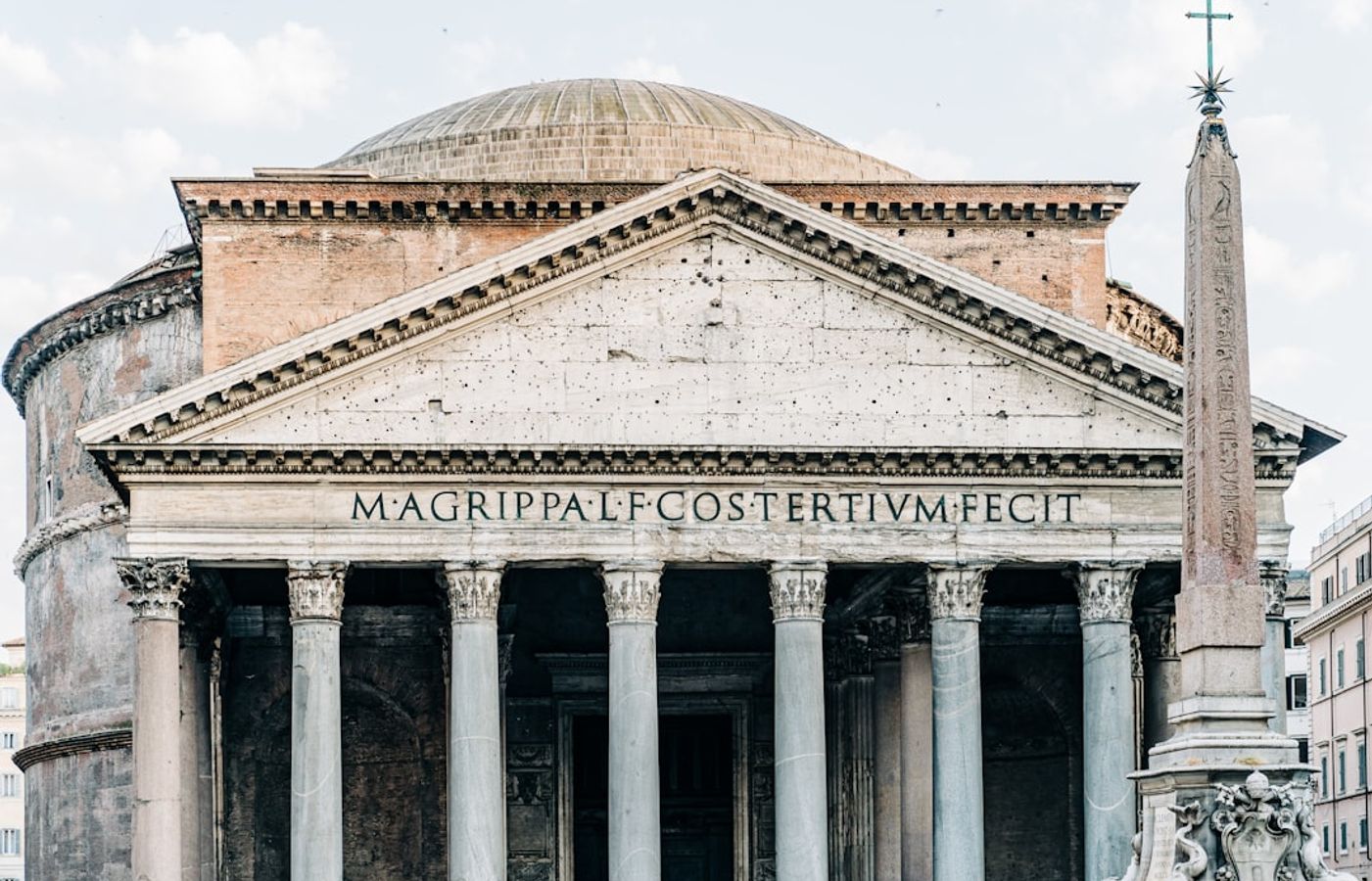
The Pantheon is the best-preserved building of ancient Rome and one of the most influential pieces of architecture ever built. Commissioned originally by Marcus Agrippa around 27 BC and rebuilt by Hadrian in roughly 126 AD, it has been in continuous use for nearly two millennia, first as a Roman temple, then since 609 AD as a Catholic church.
The dome remains the world's largest unreinforced concrete dome, with an interior diameter of 43.3 metres - exactly equal to its height - and a 9-metre oculus at the top open to the sky. Inside lie the tombs of Raphael and the first two kings of Italy. Since July 2023 a small entry fee (around €5) applies on weekdays; Sundays remain free.
Pro Tip: Visit during a heavy rainstorm - the rain falls straight through the oculus onto the marble floor below, where centuries-old drainage holes carry it away. It is one of the most extraordinary experiences in Rome.
6Trevi Fountain - Rome's Most Famous Baroque Monument
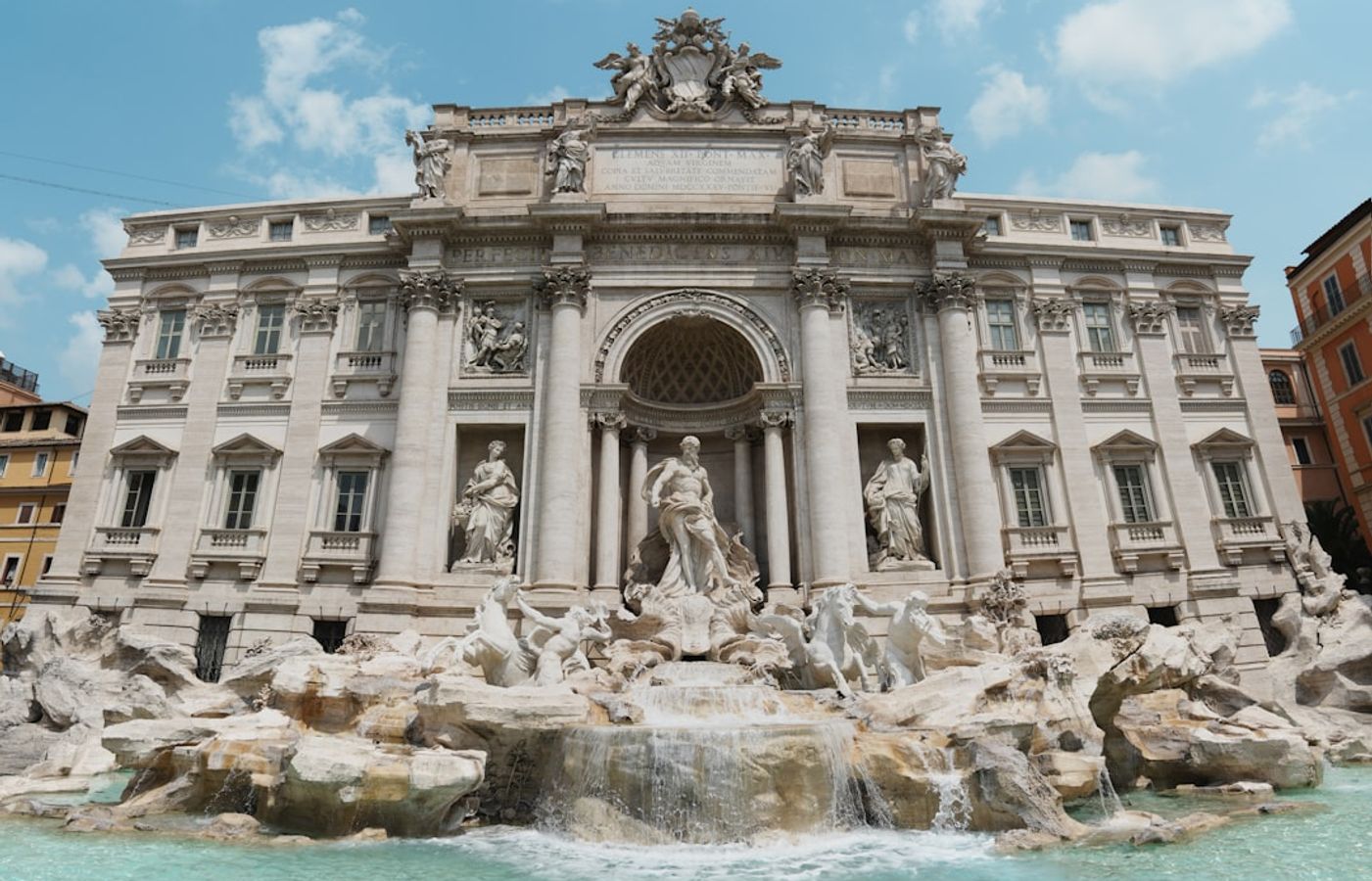
The Trevi Fountain is the largest baroque fountain in Rome and a fixed stop on every itinerary. Designed by Nicola Salvi and completed in 1762, the 26-metre-high travertine sculpture depicts Oceanus riding a shell-shaped chariot drawn by sea horses through the façade of Palazzo Poli. The water still arrives via the Aqua Virgo aqueduct, originally built in 19 BC and one of the few ancient Roman aqueducts still in operation.
Tradition has it that throwing a coin over your left shoulder with your right hand into the basin guarantees your return to Rome. Around €3,000 is collected from the fountain each day and donated to Caritas, which uses it to fund a supermarket for Rome's needy. The piazza is open 24 hours.
Pro Tip: Come back at midnight or just before dawn if you want photos without crowds. By 9:00 AM the entire square fills with visitors and police presence to enforce no-sitting and no-eating rules.
7Piazza Navona - Rome's Theatrical Baroque Square
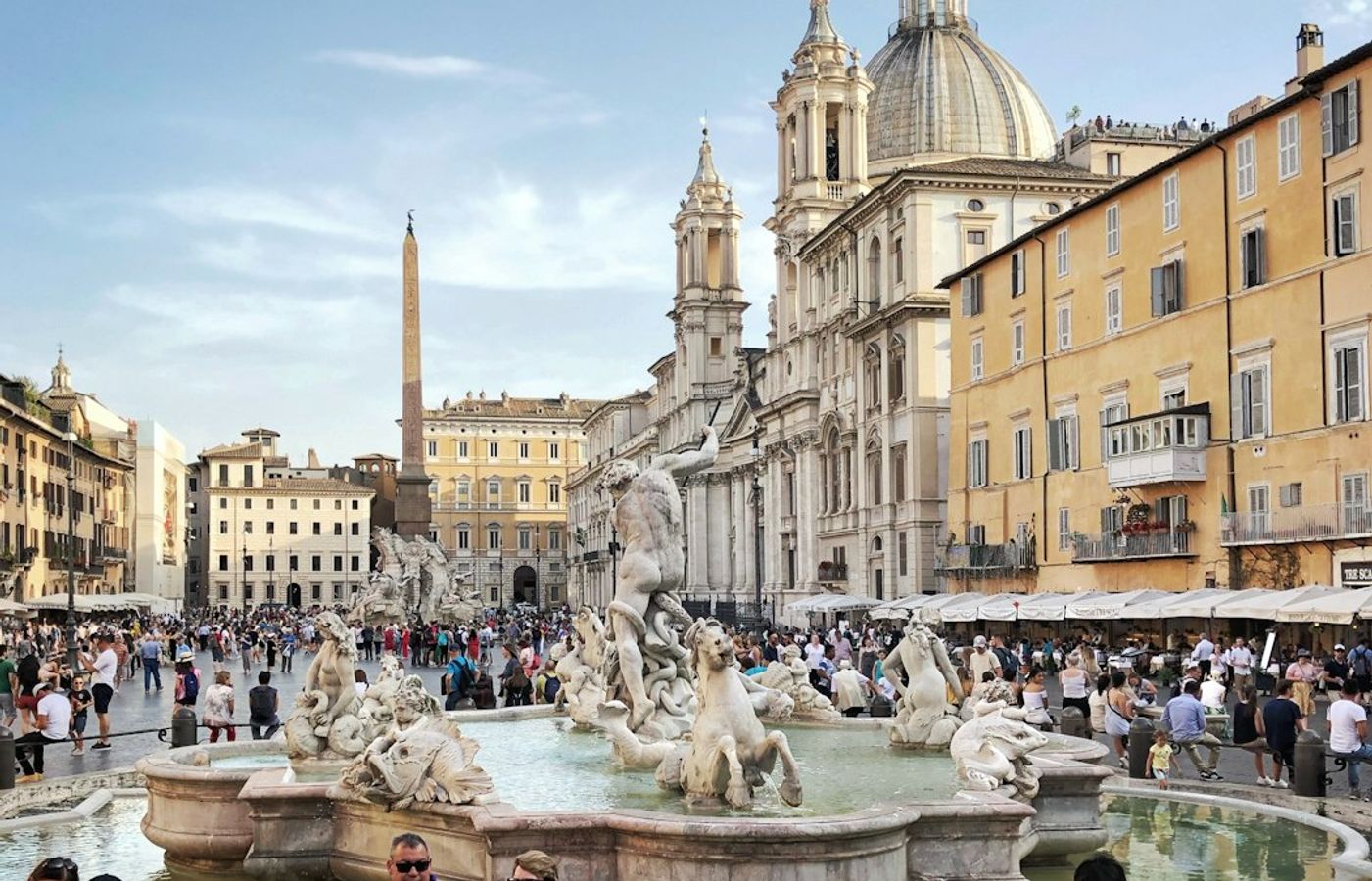
Piazza Navona is the most theatrical of Rome's baroque squares, built directly on top of the Stadium of Domitian (1st century AD) - which is why its long elliptical shape echoes a Roman racecourse. Three fountains anchor the piazza, including Bernini's Fountain of the Four Rivers (1651) at the centre, where four colossal river-god figures personify the Nile, Ganges, Danube, and Río de la Plata under a Roman obelisk.
Bordering the piazza are the Sant'Agnese in Agone church by Borromini, several historic palaces, and a permanent rotation of street artists, portrait sketchers, and outdoor cafés. It is one of the few spots in Rome where the historical theatre and modern street life genuinely fuse. You can also descend below ground at the Stadio di Domiziano museum on the north end to see the original Roman foundations.
Pro Tip: Skip the overpriced piazza-side restaurants and walk one street west to Via dei Coronari for far better food at half the price - then circle back for an evening espresso when the lights come on.
8Spanish Steps - Rome's Most Famous Staircase
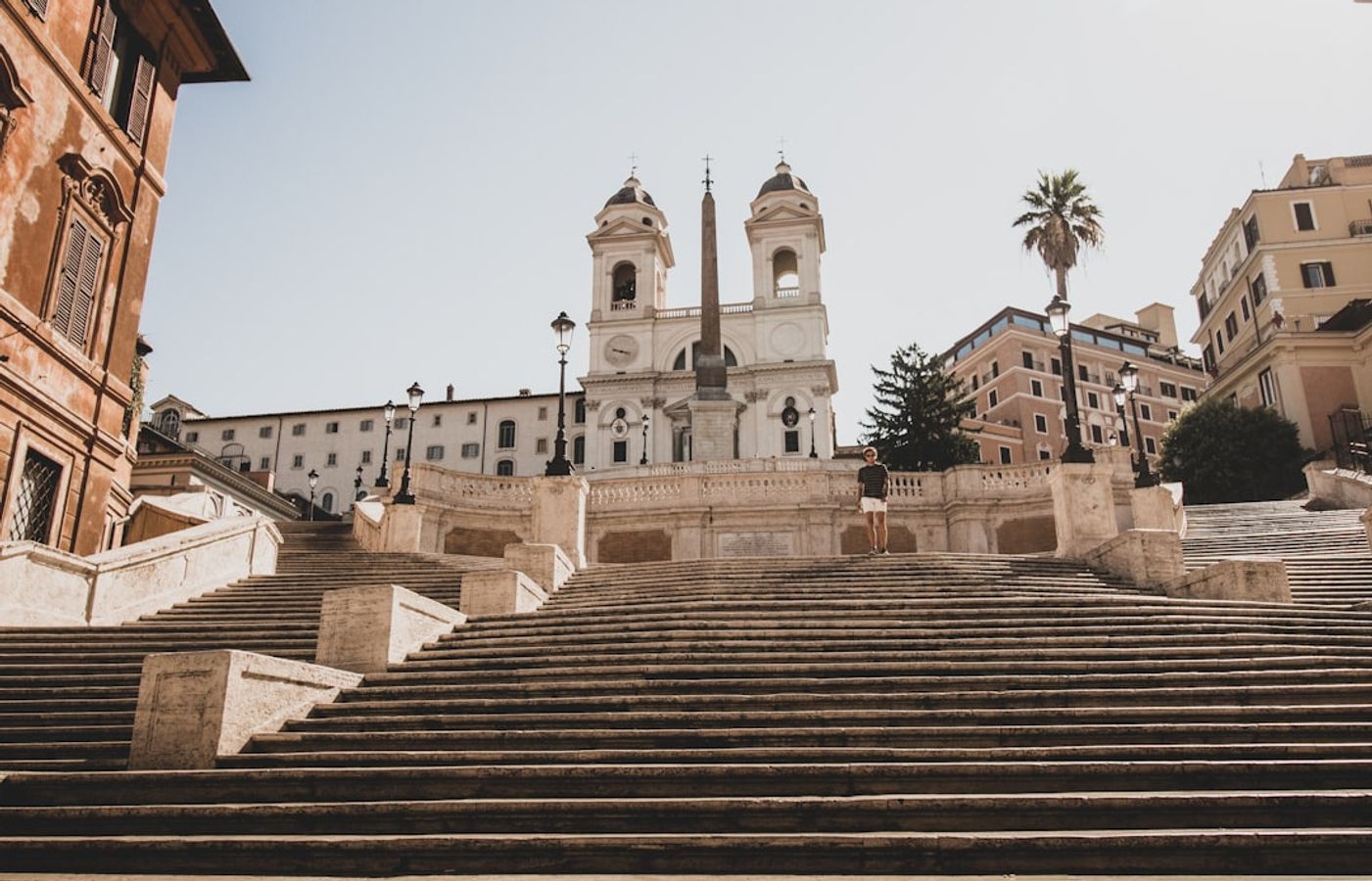
The Spanish Steps are the dramatic 135-step staircase that links Piazza di Spagna at the bottom with the church of Trinità dei Monti at the top. Built between 1723 and 1725 by Francesco de Sanctis, the steps were funded by a French diplomat and named after the nearby Spanish Embassy to the Holy See. They were the meeting point for 18th-century Grand Tour artists - John Keats died in the pink house at the foot of the staircase in 1821, now the Keats-Shelley Memorial House museum.
At the bottom, Bernini's father Pietro designed the Fontana della Barcaccia in the shape of a half-sunken boat. Via dei Condotti runs west from the piazza and is Rome's most famous luxury shopping street - Bulgari, Prada, Gucci, and Valentino all have flagships here. Sitting on the steps is forbidden and fines are enforced.
Pro Tip: Climb to the top before sunset, walk through the small piazza by Trinità dei Monti, then descend Via Sistina towards the Quirinal Palace. The light, the church, and the panoramic city views from the top are worth the climb.
9Trastevere - Rome's Most Atmospheric Neighbourhood
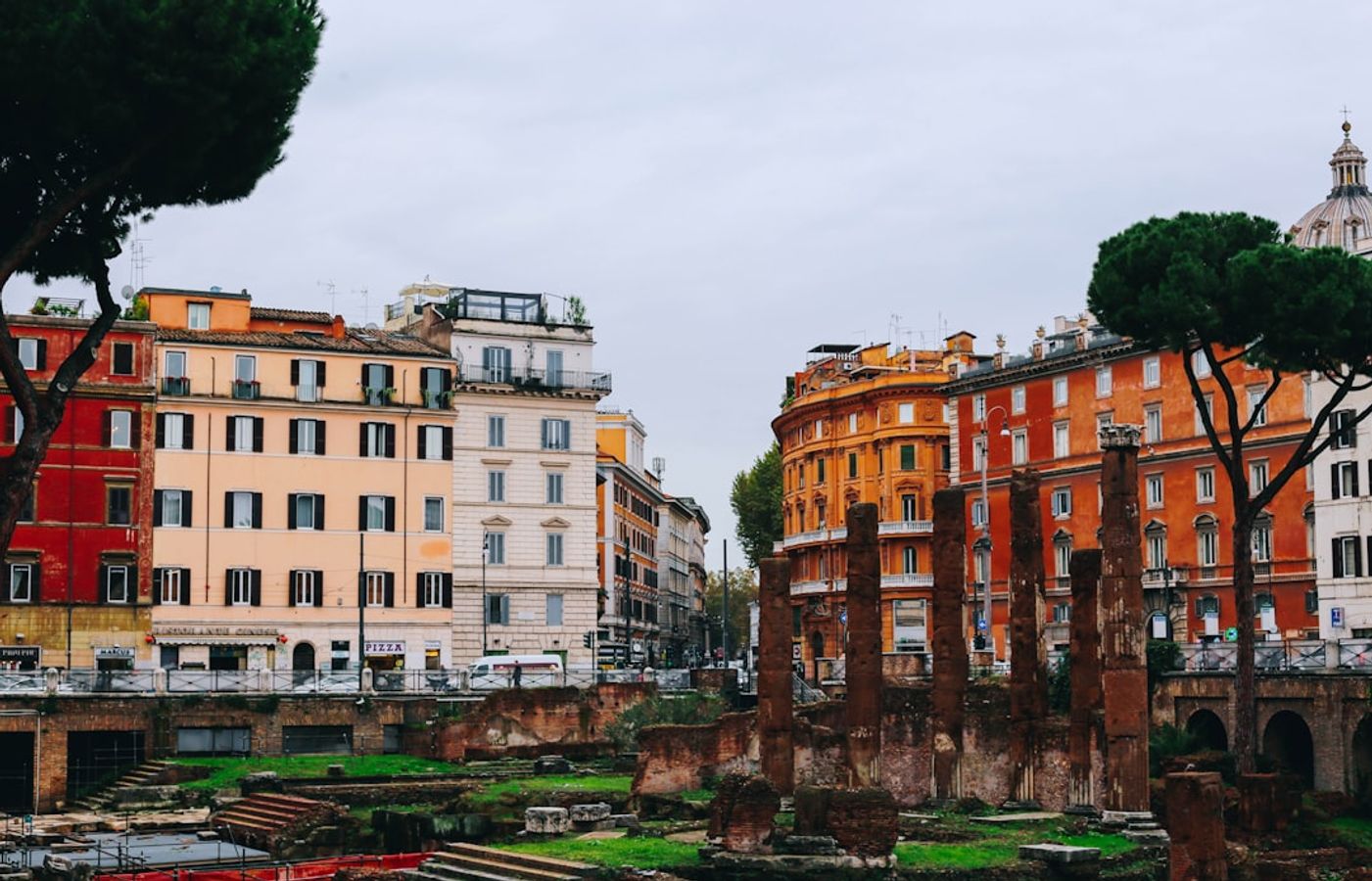
Trastevere - meaning across the Tiber - is Rome's most atmospheric neighbourhood, a maze of cobbled lanes, ivy-covered walls, and tiny piazzas just south of the Vatican. The 12th-century Basilica di Santa Maria in Trastevere, with its golden mosaics and 22 ancient columns lifted from a pagan temple, anchors the central square. By night the area transforms into Rome's main eating and drinking district, with hundreds of trattorias, wine bars, and cocktail spots packed along Via della Lungaretta and Vicolo del Cinque.
For something quieter, walk south to Piazza di Sant'Egidio, climb up to Janiculum Hill (the Gianicolo) for what locals consider the best free panorama in Rome, or visit the small but lovely Villa Farnesina with frescoes by Raphael. Trastevere is at its best on weeknights - weekends draw heavy crowds.
Pro Tip: Have lunch at one of the trattorias on Vicolo del Cinque or Via della Pelliccia, then walk uphill to the Fontanone fountain on Janiculum Hill for sunset views over the entire city - it is where the opening scene of La Grande Bellezza was filmed.
10Galleria Borghese - Rome's Greatest Small Museum
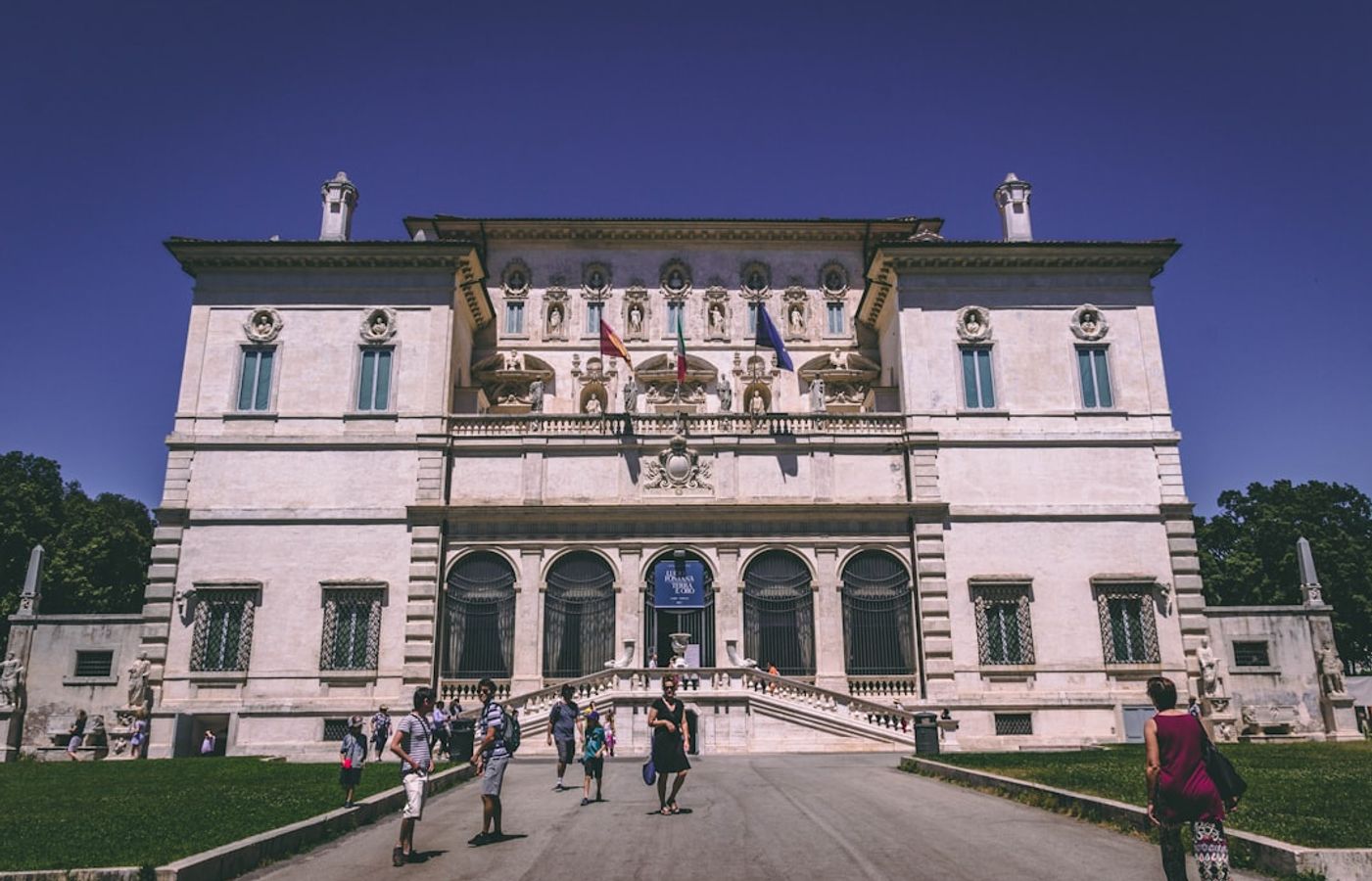
The Galleria Borghese houses one of Rome's most concentrated and rewarding art collections, displayed inside the Villa Borghese Pinciana built in 1612 by Cardinal Scipione Borghese. The cardinal was a ruthless patron - and as a result the gallery owns the world's most important collection of Bernini sculptures (The Rape of Proserpina, Apollo and Daphne, David), six paintings by Caravaggio (including Boy with a Basket of Fruit and David with the Head of Goliath), and major works by Raphael, Titian, and Canova.
Visits are strictly time-limited to two-hour slots with a capped number of visitors, which is why advance booking is mandatory and tickets often sell out a week or more ahead. The villa itself sits inside the larger Villa Borghese gardens, ideal for a stroll afterwards. The Pincian Hill terrace at the southern edge of the park has one of the best free views over Rome's domes.
Pro Tip: Book the 9:00 AM entry slot, then spend the rest of the morning in the Villa Borghese gardens - rent a rowing boat on the lake, walk to the Pincio terrace, and end at Piazza del Popolo for lunch.

CEO and co-founder
Tomas is the co-founder and director of trip1, an European company specializing in reservation services. He launched the company in 2025 with a focus on building scalable, efficient operations.
10 Top Things to Do in Rome, Italy - FAQ
No - a realistic plan covers 3-4 of these attractions per day, and the full list needs at least three full days. The Vatican Museums alone can absorb half a day, and the Colosseum-Forum-Palatine complex easily takes another. Trying to compress everything into a single day means rushing past sights that reward slow looking, plus dealing with timed-entry windows that rarely line up back to back.
Group attractions by neighbourhood to cut down on walking and metro hops. A practical three-day order: Day 1 - Colosseum, Roman Forum and Palatine Hill, then walk to the Pantheon, Piazza Navona, and Trevi Fountain. Day 2 - Vatican Museums and Sistine Chapel first thing, then St Peter's Basilica next door. Day 3 - Galleria Borghese in the morning, Spanish Steps for late afternoon, and dinner in Trastevere.
Five of the ten require advance booking and you should book them weeks ahead in peak season. The Colosseum (combined with Roman Forum and Palatine Hill), the Vatican Museums and Sistine Chapel, and the Galleria Borghese all use timed entry that regularly sells out. The Pantheon also requires a paid ticket (around €5) that is best reserved online to skip the queue. St Peter's Basilica, Trevi Fountain, Piazza Navona, the Spanish Steps and Trastevere are free and need no booking.
Expect around €80 to €120 per adult in entry fees if you visit everything that charges. Standard tickets break down roughly as: Colosseum-Forum-Palatine combined €18, Vatican Museums €20, Galleria Borghese €13 plus booking fee, Pantheon €5. Upgraded tickets like the Colosseum Full Experience or skip-the-line Vatican tours can push the total much higher. The Trevi Fountain, Spanish Steps, Piazza Navona, St Peter's Basilica and Trastevere are free.
A few worthy additions if you have more than three days. Castel Sant'Angelo is the riverside fortress on the route between Piazza Navona and the Vatican, with great rooftop views. Villa Borghese gardens make a relaxed afternoon and pair with the gallery. Day trips to Tivoli (Hadrian's Villa, Villa d'Este) or Ostia Antica are easy by train. Foodies should also factor in the Testaccio neighbourhood and its market for traditional Roman cooking.
Yes - they are designed to be visited together and share a single combined ticket. The Colosseum, Roman Forum, and Palatine Hill are minutes apart on foot and your standard ticket covers all three within a 24-hour window. Plan for at least four to five hours total to do them justice, and start at the Colosseum on a timed entry slot, then move on to the Forum and Palatine where there are no timed slots once inside.
Yes - all ten are reachable by Rome's Metro, bus, or tram network. The Colosseum has its own Metro stop (Colosseo, Line B), Spagna and Flaminio (Line A) serve the Spanish Steps and northern centre, and Ottaviano (Line A) is closest to the Vatican. The Pantheon, Piazza Navona, and Trevi Fountain sit in the historic centre away from the Metro, so use bus 64, 40, or H, or simply walk between them. Trastevere is reached by tram 8 from Piazza Venezia.