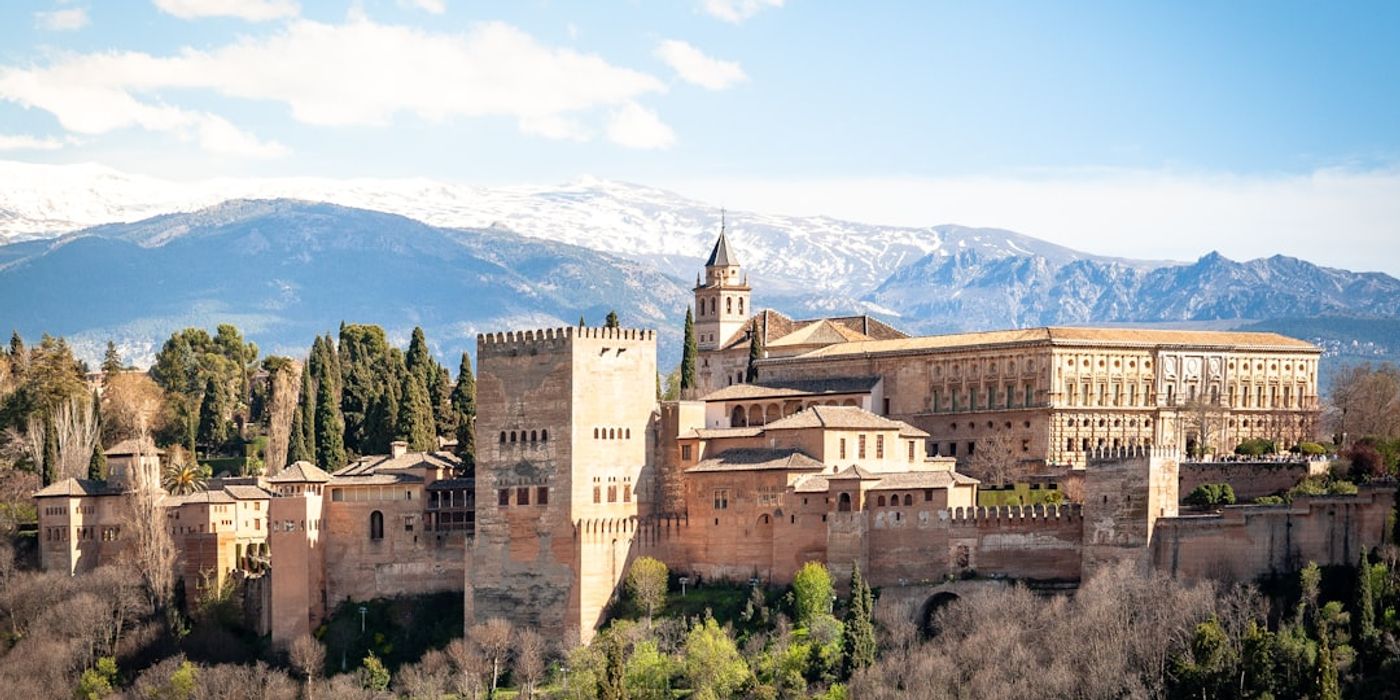
Guides · Granada
12 Top Places to Visit in Granada, Spain

CEO and co-founder
This guide ranks the 12 top places to visit in Granada - the sights that genuinely deserve a spot on your itinerary whether you have two days or a week in this Andalusian capital. Each entry includes the exact address, nearest C-line minibus stop or Metro station, and a practical Pro Tip drawn from local routine, so you can skip the trial-and-error and walk straight to what matters.
We have grouped the list to help you plan efficient sightseeing routes. The Alhambra and Generalife share one hill and a single ticket, so they pair naturally for a half-day. The Albaicín, Mirador de San Nicolás, Sacromonte, and Carrera del Darro form a continuous Moorish-quarter walk on the opposite hillside. Granada Cathedral, the Royal Chapel, and the Alcaicería are clustered within 300 metres in the centre. Realejo and the more distant Cartuja Monastery are quick microbus rides away, and the Sierra Nevada makes a half- or full-day trip from the city.
Granada rewards visitors who plan ahead - the Alhambra sells out weeks in advance in summer, and the city's tapas scene runs on its own clock (lunch from 14:00, tapas from 21:00). Use this list as a checklist for what to book first, what to walk between, and what to leave for a last evening with a glass of vermouth.
1Alhambra - The Most Iconic Landmark in Granada
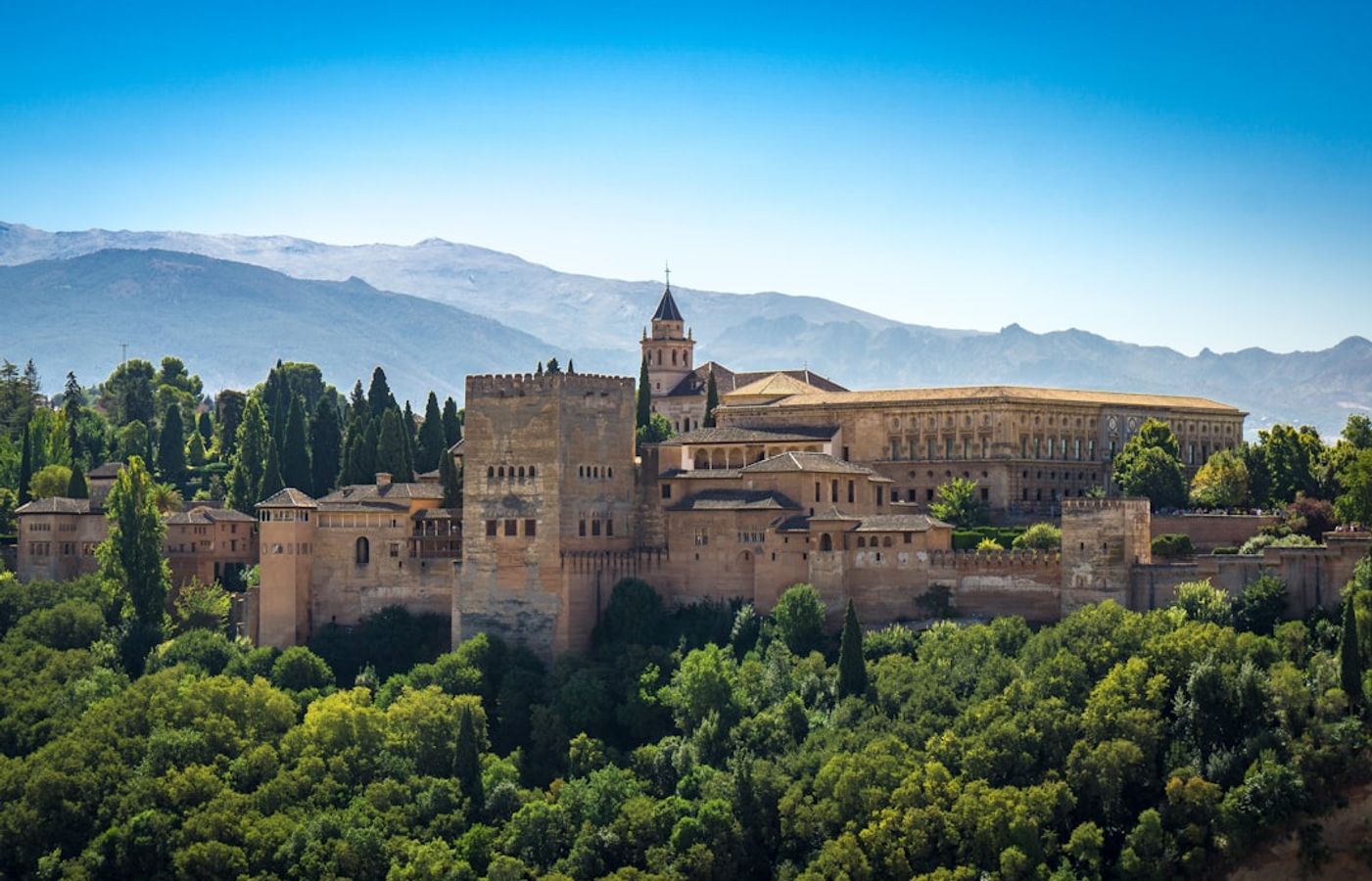
Topping every list of places to visit in Granada, the Alhambra is one of the most-visited monuments in Spain and a UNESCO World Heritage Site. The hilltop complex covers 142,000 square metres and combines three connected sections: the Alcazaba military fortress (the oldest part, dating from at least the 9th century), the lavish Nasrid Palaces with their honeycomb muqarnas vaulting and finely carved stucco, and the Charles V Palace, a square Renaissance addition built after the Christian conquest of 1492.
The Nasrid Palaces are the unmissable centrepiece. Inside, the Court of the Lions and the Hall of the Two Sisters showcase 14th-century Islamic geometric and calligraphic decoration at its peak. Tickets for the palaces are time-slot specific and almost always sell out in summer - book through the official Alhambra website (alhambra-patronato.es) or use the Granada Card, which bundles entry with city monuments.
Pro Tip: Book a sunset Nasrid Palace slot if you can - the late-afternoon light turns the muqarnas honey-coloured and the Alcazaba views over the Albaicín are at their best around 19:00 in summer or 17:00 in winter.
2Generalife Gardens - The Royal Summer Palace and Gardens
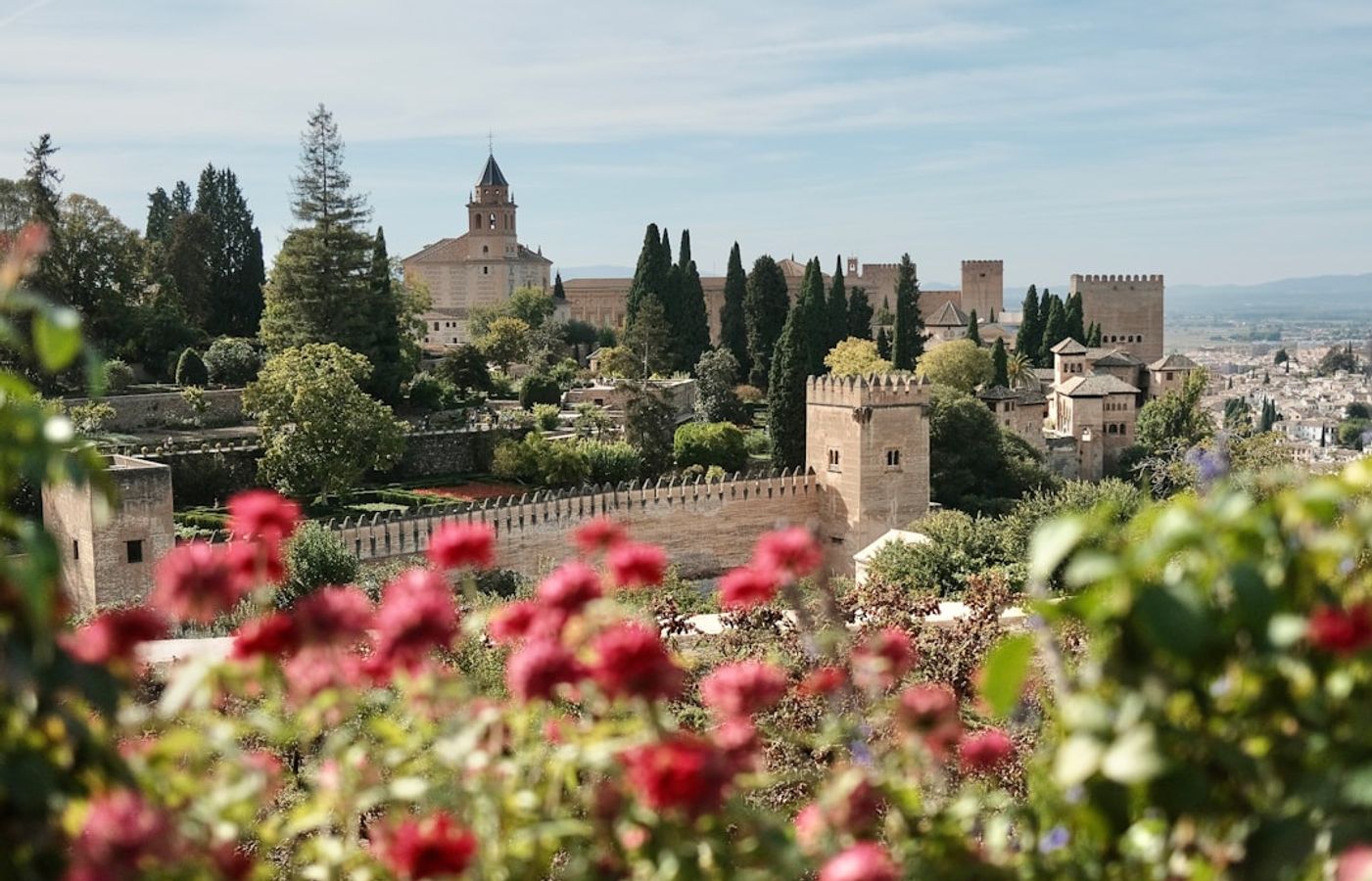
Just east of the main Alhambra fortress, the Generalife served as the Nasrid emirs' summer retreat from the late 13th century. The name comes from the Arabic Jannat al-Arif, meaning 'the architect's garden', and that sense of calculated paradise still defines it. Long avenues of clipped cypress, water channels running down marble staircases, and reflecting pools full of carp lead through citrus groves and rose terraces toward the Patio de la Acequia, the central courtyard.
Although usually visited as part of an Alhambra ticket, the Generalife is a distinct experience. Where the Nasrid Palaces concentrate decoration indoors, the Generalife pours water and fragrance through every level of its garden architecture. The slope between the two complexes, the Cuesta de los Chinos, was historically the service path between palaces, and walking it gives a sense of how the Nasrid court moved between official duty and summer leisure.
Pro Tip: Visit the Generalife after the Nasrid Palaces, not before - your timed-entry slot for the palaces is strict, while the Generalife stays open until closing. Allow at least 45 minutes here.

3Albaicín - The UNESCO Old Moorish Quarter
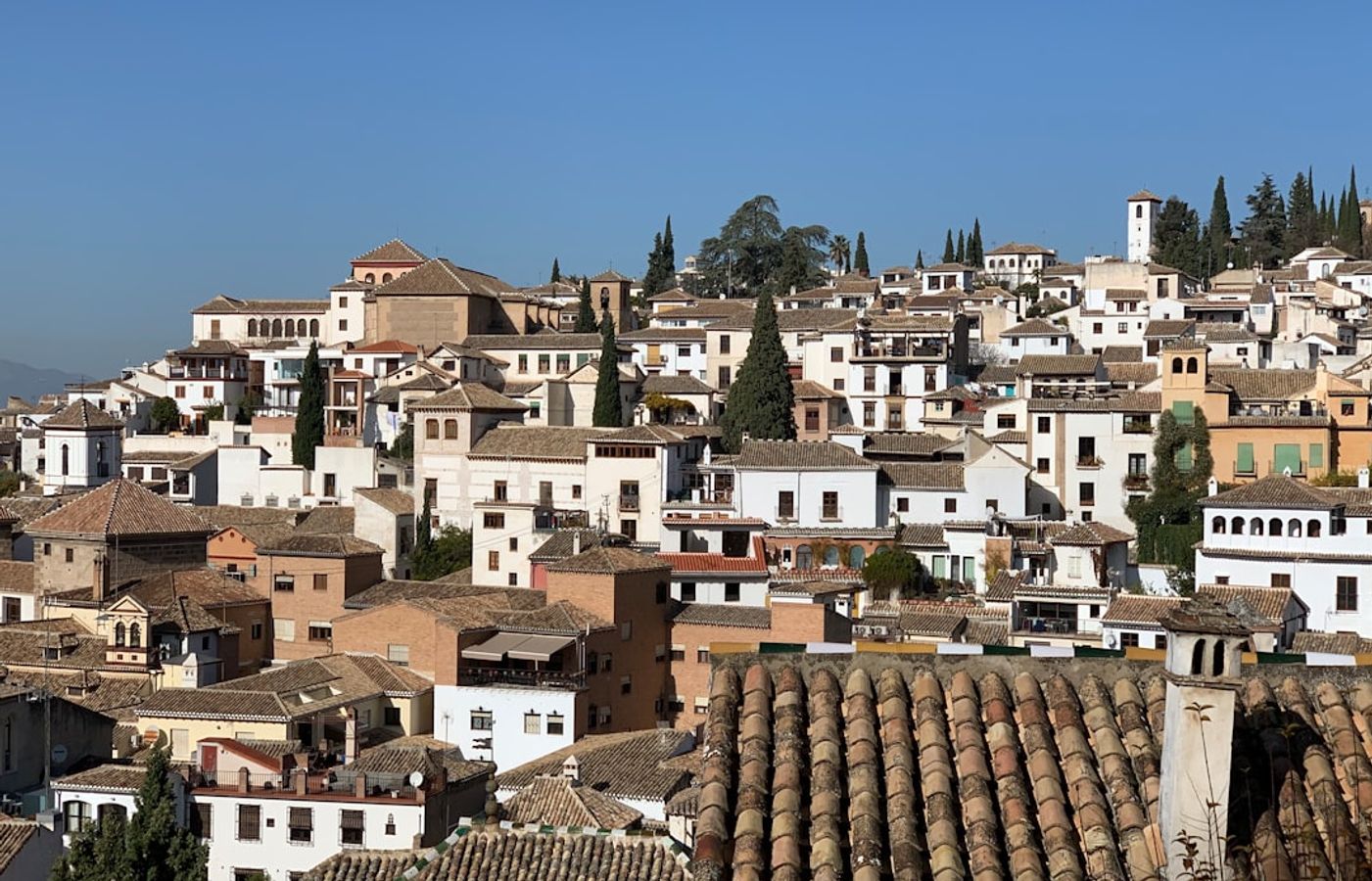
The Albaicín is Granada's old Moorish quarter, a tangle of whitewashed houses and steep cobbled lanes climbing the hillside opposite the Alhambra. UNESCO added it to the Alhambra's World Heritage listing in 1994 as the best-preserved Moorish urban fabric in Spain. The lanes are deliberately narrow and shaded - medieval Andalusi planning designed for shade and breeze, not vehicles - and many homes hide cármenes, walled gardens with orchards and Alhambra views.
Plaza Larga is the everyday heart, with bars, an old gate (Puerta de las Pesas), and weekly markets. From there, Calle Calderería Nueva, lined with Moroccan tea-houses and spice stalls, runs back down toward the centre. The Iglesia del Salvador sits on the site of the quarter's old main mosque, and the Bañuelo on Carrera del Darro preserves an 11th-century Arab bathhouse.
Pro Tip: Walk up the Albaicín in the late afternoon. Going up exhausts even fit walkers in summer - the C31 minibus from Plaza Nueva takes you up effortlessly, and the descent at sunset is the city's loveliest walk.
4Mirador de San Nicolás - The Iconic Alhambra Viewpoint
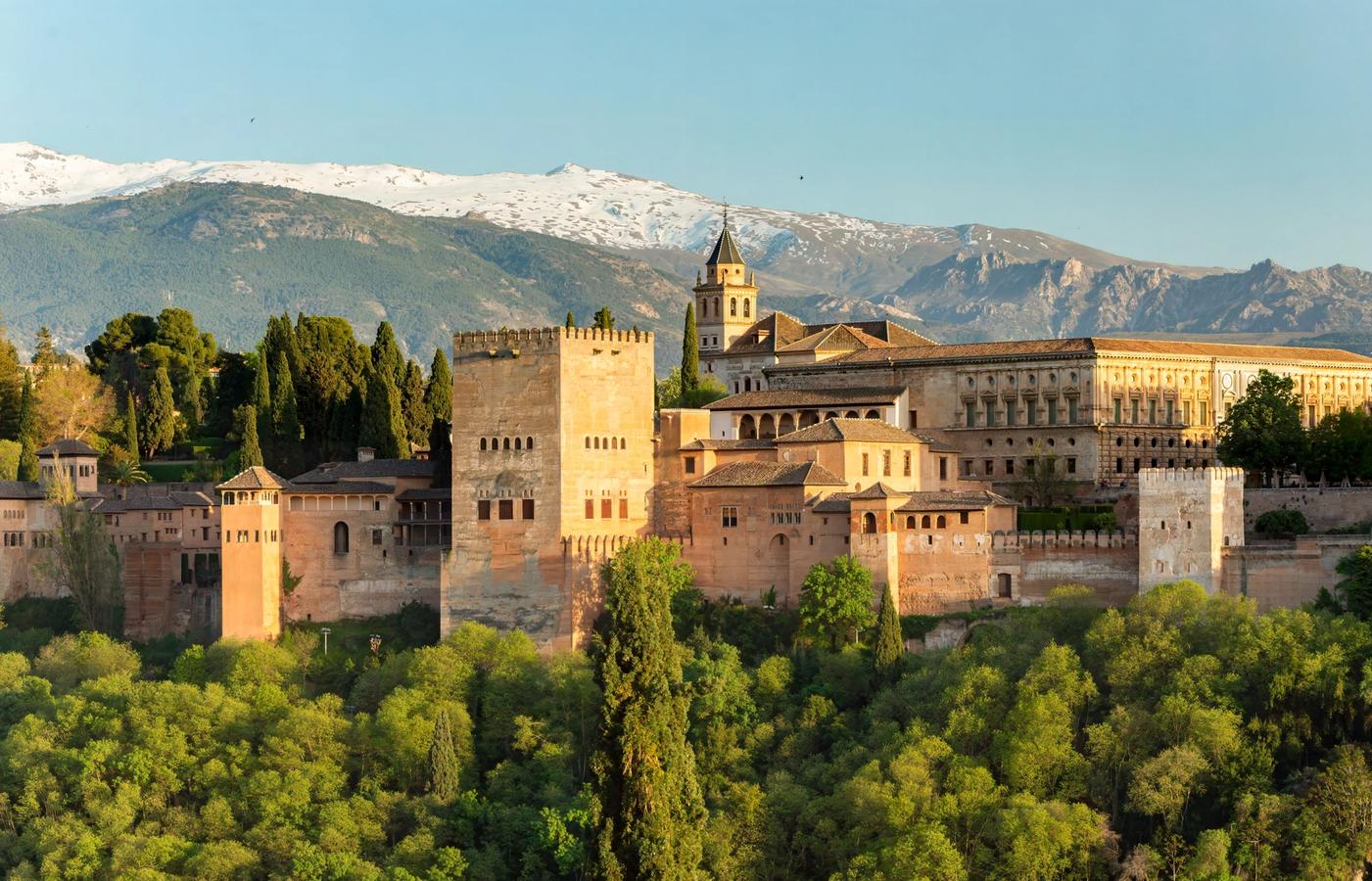
Mirador de San Nicolás is the photograph you have already seen - the wide stone terrace high in the Albaicín where the Alhambra fills the view, framed by the Sierra Nevada when the peaks are snow-covered. The platform sits at around 800 metres above sea level, in front of the small 16th-century Iglesia de San Nicolás, and is open and free 24 hours.
Bill Clinton famously called the sunset here 'the most beautiful in the world' during a 1997 visit, and the quote made the spot a fixture on every Granada itinerary. The terrace fills up an hour before sundown - buskers play flamenco guitar, students drink beer, and tour groups jostle for the railing. Arrive early or come at sunrise for a near-empty platform and the same view across the Darro valley.
Pro Tip: Skip the crowds at Mirador de San Nicolás and walk five minutes further uphill to Mirador de San Cristóbal or Mirador de la Lona - same Alhambra angle, half the people, often with locals enjoying a coffee.
5Granada Cathedral - The Renaissance Centrepiece of the City
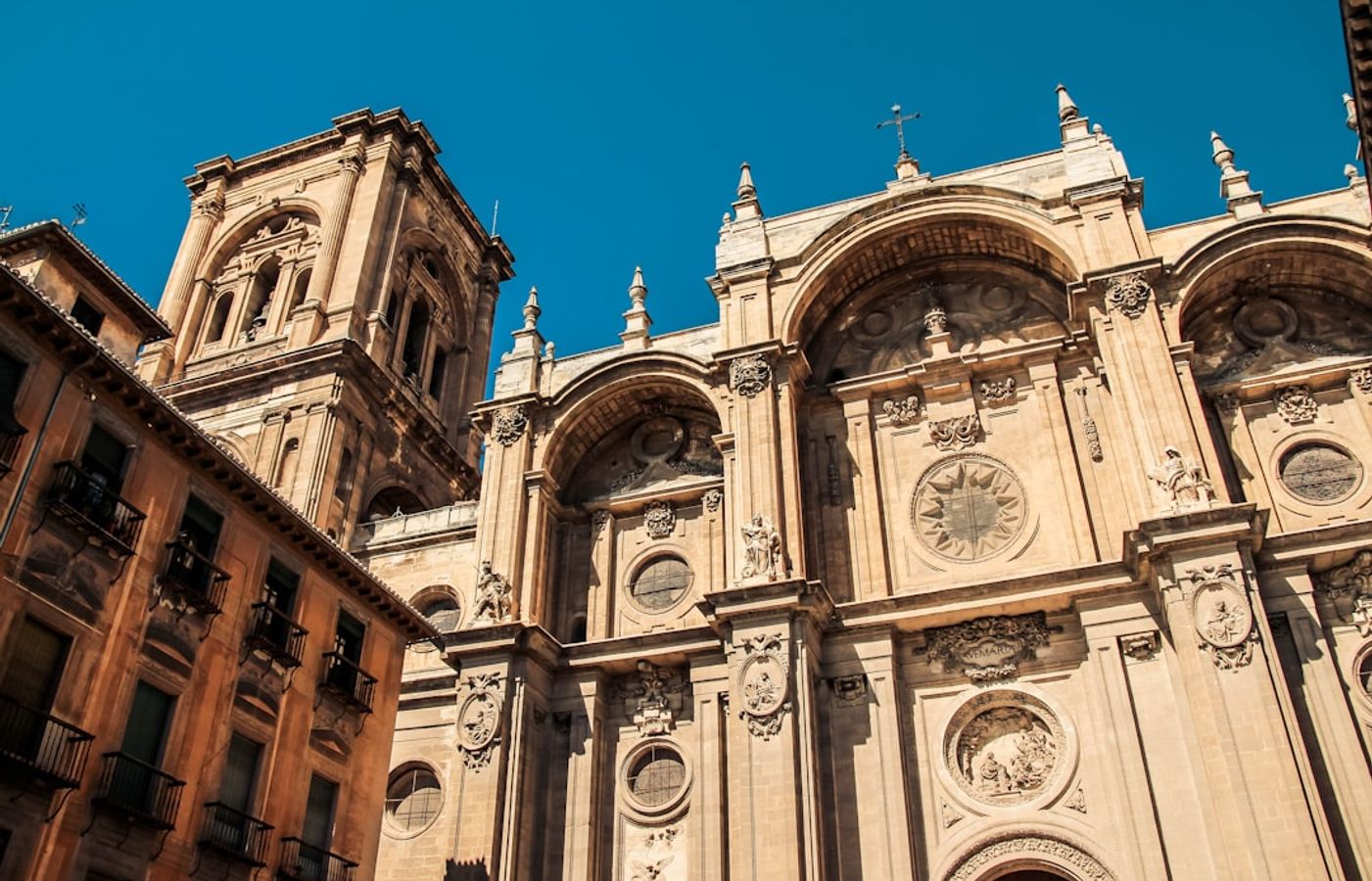
Granada Cathedral (Catedral de la Encarnación) was begun in 1518 on the foundations of the city's main mosque, finished only in 1704, and stands as one of the great Spanish Renaissance churches. Architect Diego de Siloé designed the soaring 30-metre nave with five aisles and a domed circular ambulatory at the east end - unusual for Spanish cathedrals - all painted in dazzling white and gold.
The interior holds two magnificent baroque organs, large polychrome statues by Alonso Cano (whose tomb lies in the cathedral itself), and 16th-century stained glass behind the high altar. Entry is via Calle Cárcel Baja and the visitor route includes the cathedral museum with treasures from the Catholic Monarchs era. Allow 45-60 minutes.
Pro Tip: Visit the cathedral together with the Royal Chapel next door - one combined morning covers both, and the Royal Chapel is far busier so it pays to enter when it opens at 10:15.
6Royal Chapel of Granada - Burial Place of the Catholic Monarchs
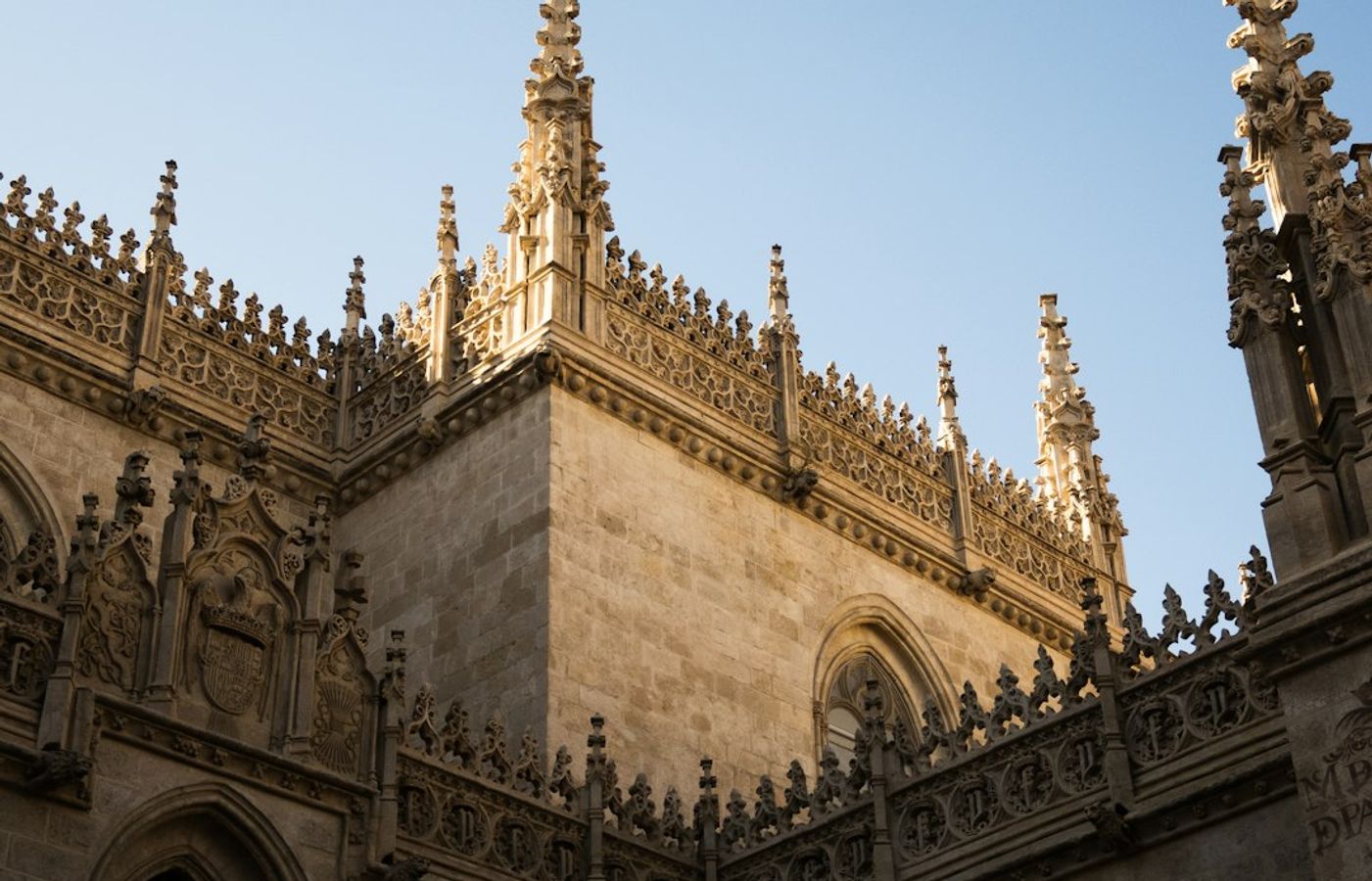
The Royal Chapel (Capilla Real) is the royal mausoleum that Isabella I of Castile and Ferdinand II of Aragon built next to the future cathedral, and where their bodies still rest. Completed in 1521 in late Gothic Isabelline style, it contains the carved marble tombs of the Catholic Monarchs alongside those of their daughter Joanna of Castile and son-in-law Philip the Handsome - the lead caskets are visible in the crypt below.
The chapel's sacristy-museum houses Isabella's personal collection of Flemish and Italian paintings (Botticelli, Memling, Bouts), her crown and sceptre, and her illuminated prayer book. As one of the most historically significant sites in Spain - this is where the Reconquista ended and the funding of Columbus's first voyage was decided - it draws a steady stream of school groups, so morning visits are calmer.
Pro Tip: No photos are allowed inside the Royal Chapel - phones must be put away. Plan around 45 minutes including the museum, and don't miss the elaborate gilt reja (iron screen) by Master Bartolomé.
7Sacromonte - The Cave-Dwelling Flamenco Quarter
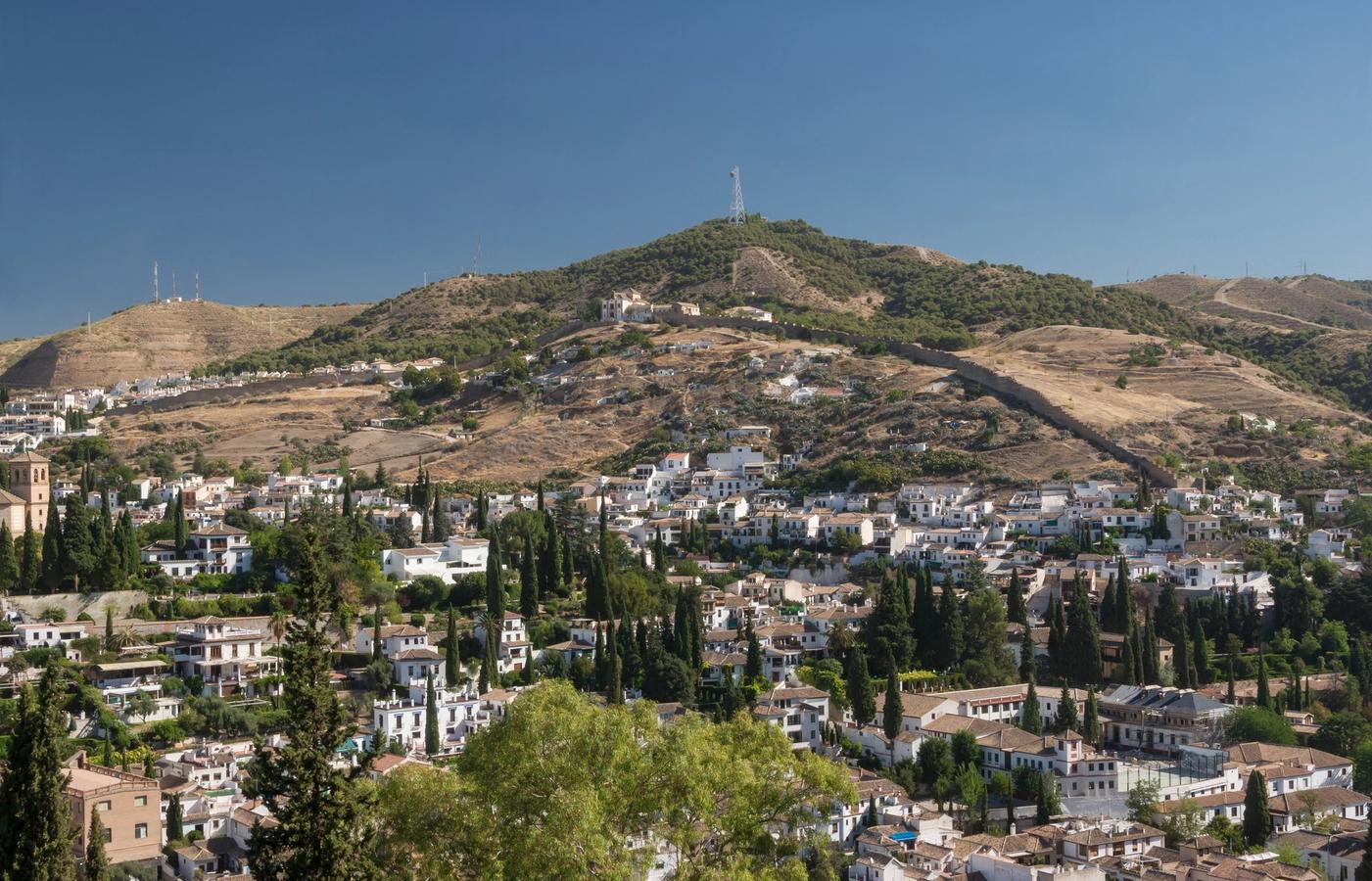
Sacromonte rises above the Albaicín on the next hillside east, a steep slope honeycombed with cave dwellings carved into the soft tufa rock by Roma communities since the 16th century. Many of the cuevas are still inhabited; others have become zambras, the hard-edged cave flamenco venues that gave the world the Granadan style of bulería and tangos.
The Cuevas del Sacromonte Museum at Barranco de los Negros shows how families lived and worked the caves, with rooms set up as kitchens, weaving studios, and stables. Above, the 17th-century Sacromonte Abbey crowns the hill with views back across to the Alhambra. Evening flamenco shows at Cuevas Los Tarantos or Venta El Gallo cost €30-40 typically and last around 75 minutes - intimate, sweaty, and authentic.
Pro Tip: Take the C34 minibus up to the Sacromonte Abbey, then walk down to your flamenco venue rather than climbing in evening shoes. Phone ahead to book - shows sell out, especially in spring and autumn.
8Carrera del Darro & Paseo de los Tristes - The Most Beautiful Street in Granada
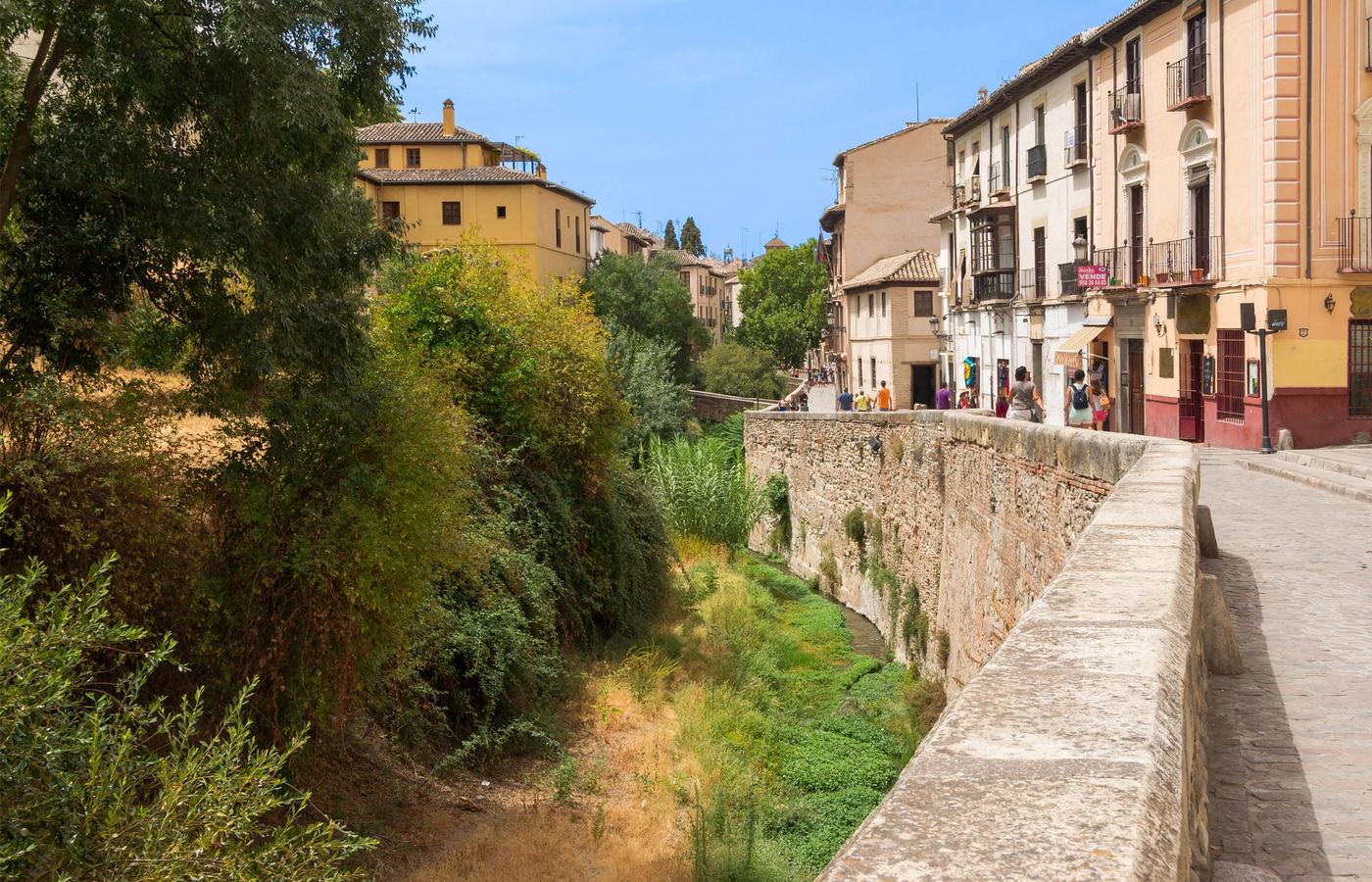
This narrow, pedestrian-only riverside lane runs along the Darro between Plaza Nueva and the foot of the Alhambra, and is widely considered Granada's most photogenic street. The Río Darro - actually a stream most of the year - flows under an irregular sequence of medieval bridges, and on the south side rises the Alhambra wall, so close you can almost touch it.
You will pass the 11th-century Bañuelo (the Arab bathhouse, free to enter), the 16th-century Casa de Castril (Granada's archaeological museum), and several baroque chapels. The street ends at Paseo de los Tristes, the wider plaza named for the funeral processions that once climbed up to the Alhambra cemetery. Cafés here have head-on views of the palace floodlit at night.
Pro Tip: Walk Carrera del Darro twice: once in daylight to see the architectural details, once after dark when the Alhambra is illuminated and the Paseo de los Tristes terraces are at their liveliest.
9Alcaicería - The Restored Moorish Silk Market
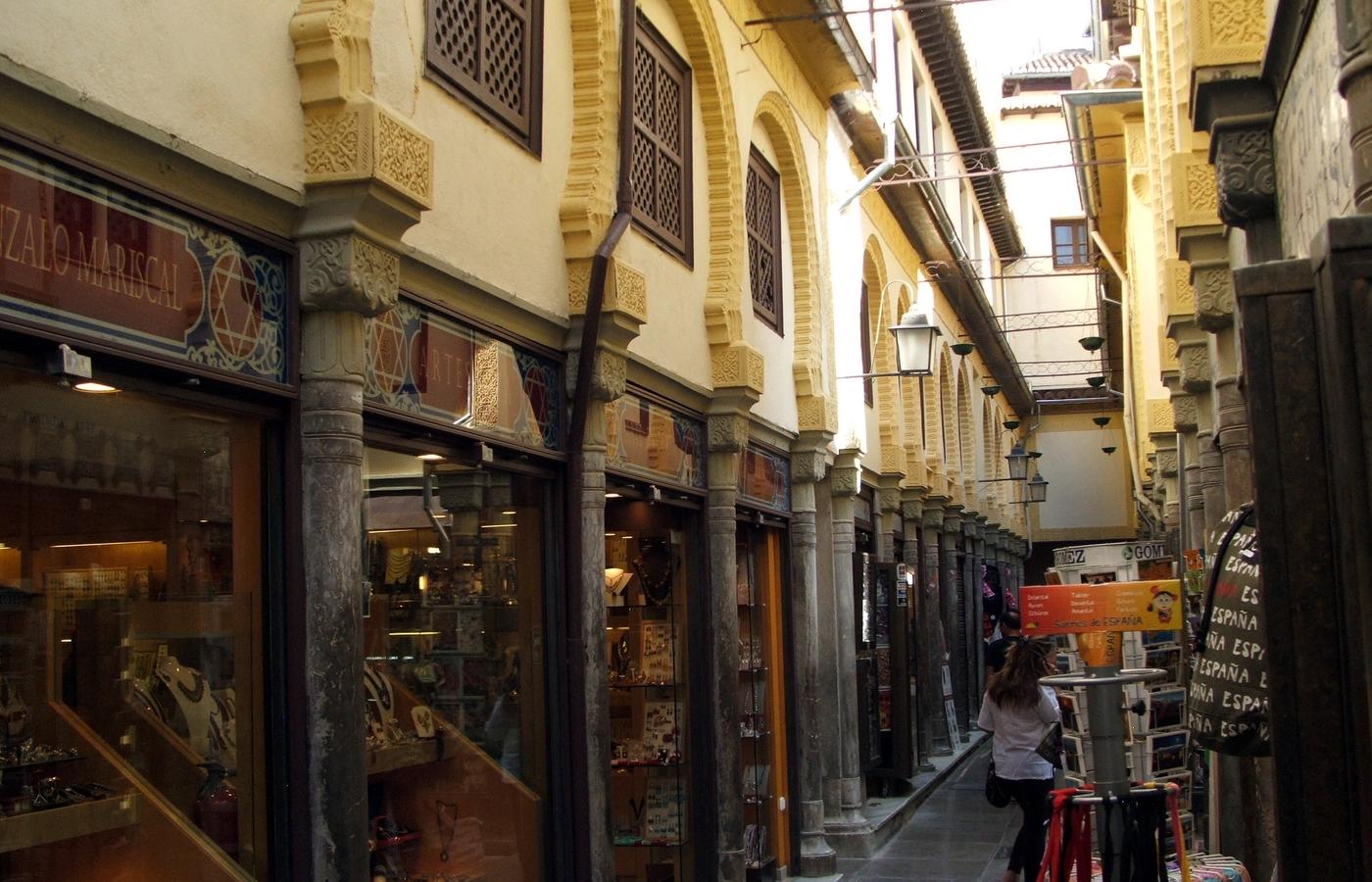
The Alcaicería is the small grid of covered alleys behind the Granada Cathedral that once housed the city's grand silk and spice market under Nasrid rule. The original 15th-century complex was ten times larger - the current version is a 19th-century reconstruction after a fire in 1843 destroyed the medieval bazaar - but the look and the trade are recognisable. Stalls sell ceramics, marquetry boxes, leather slippers, painted fans, and Moroccan-style lanterns.
Most of what is sold today is imported from Morocco and Granada's Alpujarra workshops, but a few local artisans still work in nearby Calle Elvira and the Albaicín. The location, between the Royal Chapel and the Cathedral, makes it an easy 15-minute browse during a centre walk - and a good place to pick up small souvenirs without trekking further afield.
Pro Tip: Bargain politely at the Alcaicería - asking prices are usually 30-40% above what locals pay, and a pleasant haggle is expected. For genuine Granadan craftwork, head to taller workshops on Cuesta de Gomérez instead.
10Monasterio de la Cartuja - Granada's Baroque Masterpiece
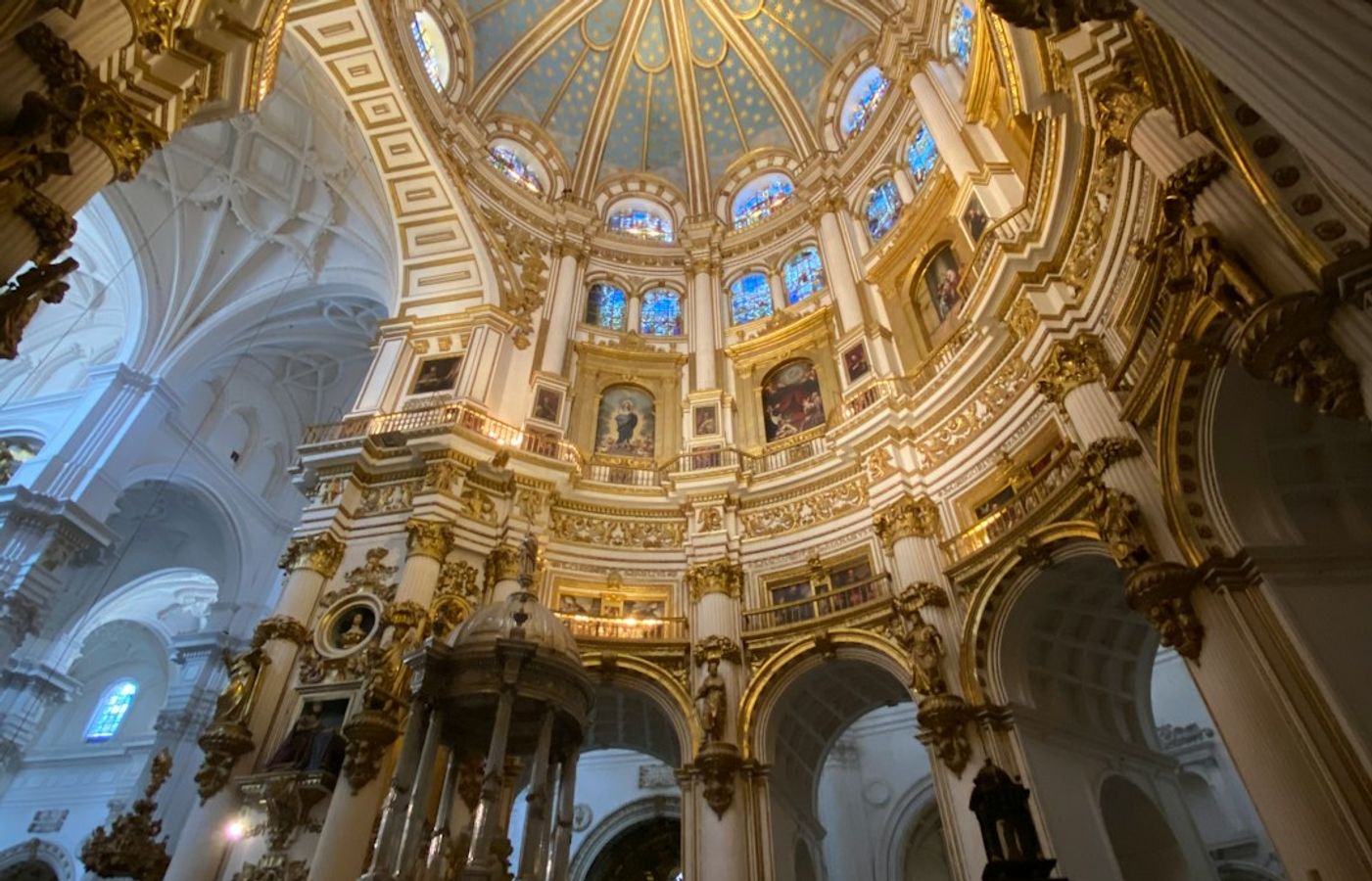
A short C5 microbus ride northwest of the centre, the Carthusian Monastery of La Cartuja looks plain from the outside but contains one of the great Spanish baroque interiors. Built between 1506 and the late 18th century, it is famous for its sacristy - a small chamber dripping with twisting marble columns, polychrome stucco angels, and inlaid tortoiseshell-and-silver cabinets, completed in 1764.
The church itself blazes with 17th-century Granadan painting (works by Sánchez Cotán hanging in the refectory) and elaborate gilt retables. La Cartuja is much quieter than the Alhambra or cathedral - on a typical morning you might share the sacristy with five other people. Allow 45 minutes inside plus 15 minutes' bus travel each way.
Pro Tip: Combine La Cartuja with the nearby Monasterio de San Jerónimo (where Spanish military hero El Gran Capitán is buried) - both are en route, and a single morning loop hits two of the city's most overlooked monuments.
11Realejo - The Old Jewish Quarter and Tapas District
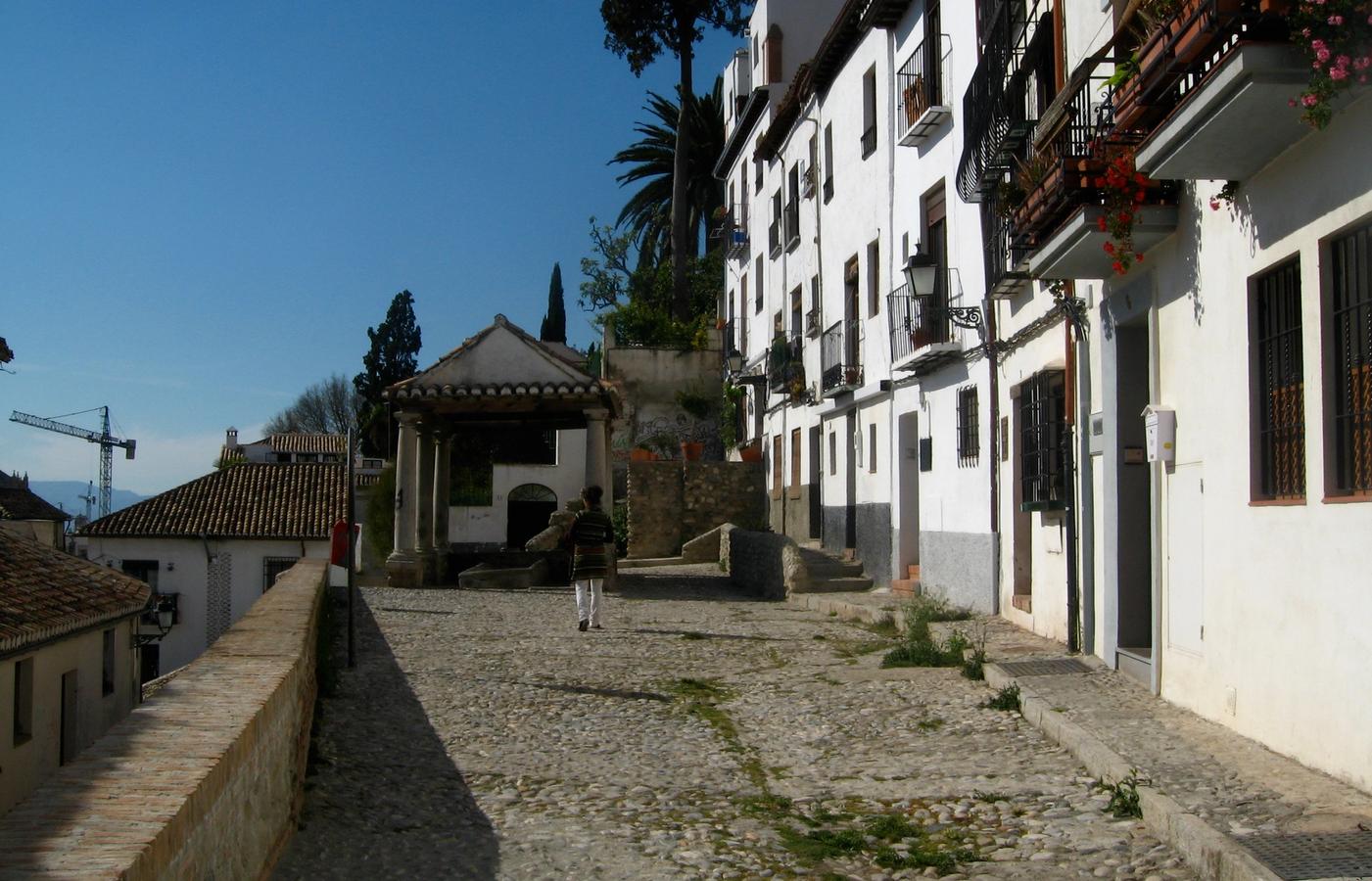
Realejo, the slope below the Alhambra to the south of the centre, was Granada's medieval Jewish quarter (Garnata-al-Yahud) before the 1492 expulsion. Today it is a residential neighbourhood crisscrossed with murals by Spanish street artist Sex (El Niño de las Pinturas) and laced with classic tapas bars where every drink still arrives with a free dish.
The heart of Realejo is Campo del Príncipe, a long sloping plaza ringed with restaurants and a 16th-century Christ figure at the lower end. Calle Molinos, Plaza Cuchilleros, and the lanes around Casa Museo Manuel de Falla offer a quieter side of the city. The Carmen de los Mártires gardens above are free to enter and have spectacular Alhambra-side views over the Vega.
Pro Tip: Realejo has the city's best free-tapas tradition. Try Bodegas Castañeda, Los Diamantes, or Bar Avila - order a beer or wine for €2.50-3 and the included tapa is often a small plate of ham, fried fish, or paella.
12Sierra Nevada - Mountain Day Trip from Granada
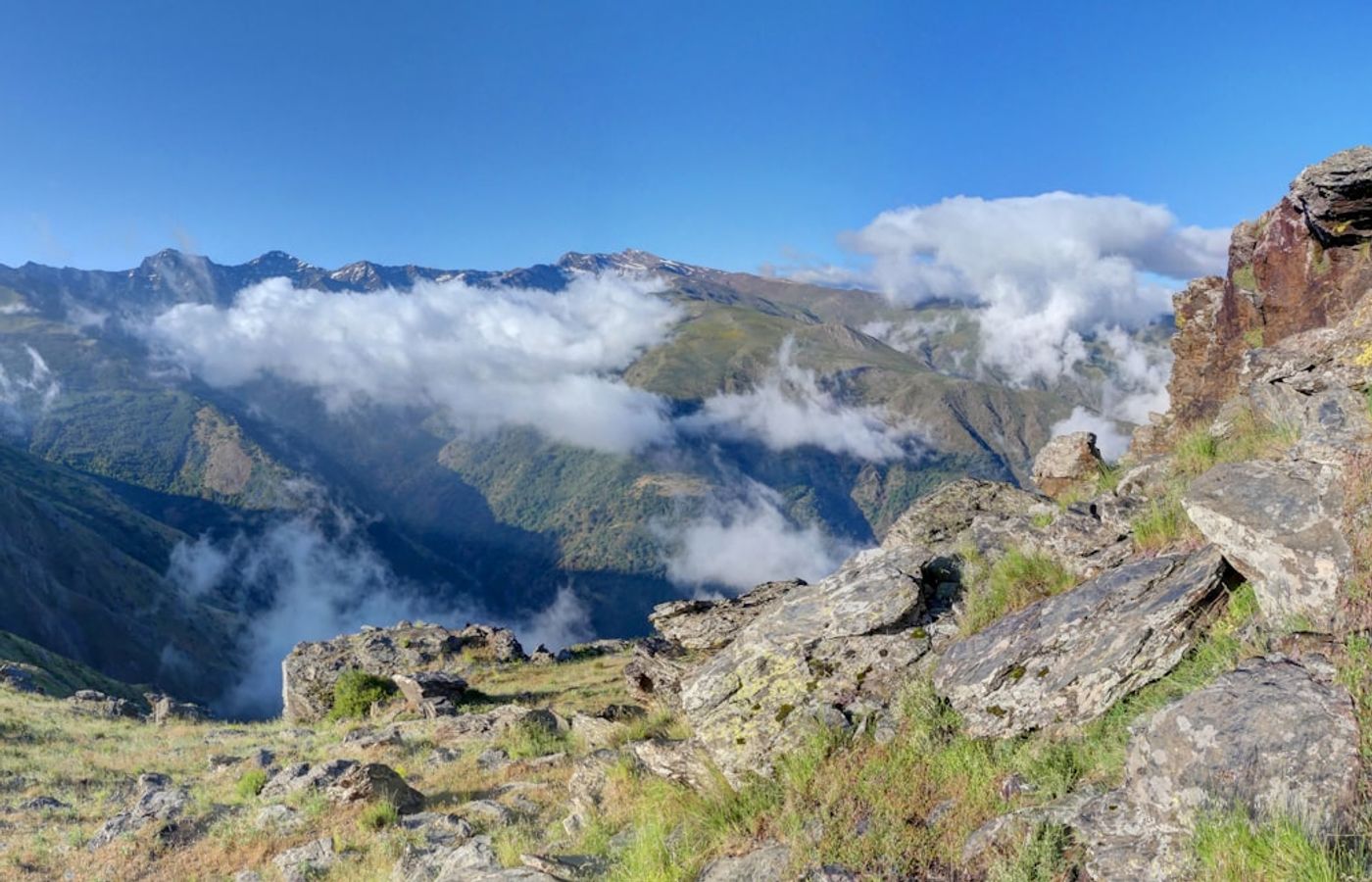
Just 32 km southeast of Granada, the Sierra Nevada national park contains mainland Spain's highest peak, Mulhacén (3,479 m), and Europe's southernmost ski resort, Pradollano. From November through April, snow lies thick on the upper slopes; the rest of the year the park is a high-altitude hiking and birdwatching destination, with marked trails to the alpine lake of Laguna de la Caldera and circular routes around Veleta (3,396 m).
Reaching Pradollano takes about 45 minutes on the daily Autocares Tocina coach (Bus 24 or Bus 36 from Granada main bus station; around €5 one-way). In ski season, lifts run from 09:00, day passes start around €52, and you can rent gear at the resort. For a non-ski summer trip, take the Hoya de la Mora trail - the whole Granada plain spreads out below at 2,500 m.
Pro Tip: In winter, layer for a 25°C swing - leave Granada at 12°C and find -8°C on the lifts. The morning bus from Granada returns from Pradollano around 17:00, so a half-day works well as a first-time taste of the range.

CEO and co-founder
Tomas is the co-founder and director of trip1, an European company specializing in reservation services. He launched the company in 2025 with a focus on building scalable, efficient operations.
12 Top Places to Visit in Granada, Spain - FAQ
No, attempting all 12 in one day is not realistic. The Alhambra and Generalife alone fill a half-day, and the Albaicín, Mirador de San Nicolás, Sacromonte, and Carrera del Darro loop another half-day. A workable two-day plan covers items 1, 2, 5, 6, and 9 on day one (Alhambra hill plus the cathedral cluster) and items 3, 4, 7, 8, and 11 on day two (Moorish quarters and Realejo). Add a third day for La Cartuja and Sierra Nevada. Trying to compress all 12 leaves no time for tapas, and tapas in Granada is non-negotiable.
Start at the Alhambra (1) and Generalife (2) when energy is fresh - your timed-entry slot will dictate morning or afternoon. Walk down via the Cuesta de Gomérez to the centre and pair the Royal Chapel (6), Granada Cathedral (5), and Alcaicería (9) in a 90-minute cluster. Save the Albaicín (3), Mirador de San Nicolás (4), Carrera del Darro (8), and Sacromonte (7) for late afternoon and sunset, when the Alhambra catches golden light from across the Darro valley. Realejo (11) is the perfect tapas evening. La Cartuja (10) and Sierra Nevada (12) work as half-day trips on a third day.
Three are essentially mandatory to book ahead: the Alhambra Nasrid Palaces (1), the Generalife (2) which is included in the Alhambra ticket, and the Royal Chapel (6) which has limited daily capacity. The Alhambra sells out 2-4 weeks in advance in summer and around Easter and Christmas - reserve through alhambra-patronato.es as soon as travel dates are firm. Granada Cathedral (5), La Cartuja (10), and the Cuevas del Sacromonte Museum (7) accept walk-ups year-round. The Albaicín (3), Mirador de San Nicolás (4), Carrera del Darro (8), Alcaicería (9), Realejo (11), and the Sierra Nevada (12) are free to enter.
Budget €60-90 per person to cover all the paid sites. The Alhambra Nasrid Palaces ticket is around €19 (it includes the Generalife), the Royal Chapel is €6, Granada Cathedral €6, La Cartuja €6, the Cuevas del Sacromonte Museum €5, and a Sierra Nevada return bus is around €10. The Albaicín, Mirador de San Nicolás, Carrera del Darro, Alcaicería, and Realejo are free. The Granada Card at around €49 bundles the Alhambra, Cathedral, Royal Chapel, La Cartuja, two science-museum sites, and 9 bus rides - good value if you visit four or more covered monuments.
Yes, all 12 are reachable on the city's small red C-line minibuses or local buses. The C30 runs from Plaza Isabel La Católica up to the Alhambra. The C31 climbs into the Albaicín. The C32 covers Albaicín-Sacromonte. The C34 continues up to the Sacromonte Abbey. The C5 reaches La Cartuja and San Jerónimo. Sierra Nevada is served by the Tocina coach (Bus 24/Bus 36) from Granada bus station, departing several times daily in winter and twice daily in summer. Single rides on city minibuses cost €1.40 - or buy a Bonobús card for €5 and get nine rides at a discount.
Yes - the Alhambra remains the single most worthwhile monument in Spain. In 2026, daily visitor capacity to the Nasrid Palaces is still capped to protect the carved stucco and tile work, so booking early is essential, but the experience itself is unchanged. The Court of the Lions, the Hall of the Two Sisters, and the Alcazaba ramparts together offer the highest-quality medieval Islamic decoration accessible to the public anywhere in Europe. Restoration of the Patio de los Leones fountain completed years ago means the famous lion sculptures are back in place. Allow 3-4 hours minimum for a relaxed visit.
Three honourable mentions if your itinerary stretches beyond two days. The Bañuelo, an 11th-century Arab bathhouse on Carrera del Darro, is one of the oldest preserved hammams in Spain and free to enter. The Casa Museo Federico García Lorca, dedicated to Granada's celebrated poet, sits in the Huerta de San Vicente park about 15 minutes' walk south of the centre. Hammam Al Ándalus, a working Arab-style bathhouse near Plaza Nueva, lets you soak in the city's bath tradition for around €40. For a full extra day, the white villages of the Alpujarras (Pampaneira, Bubión, Capileira) make a memorable side trip beyond the Sierra Nevada.