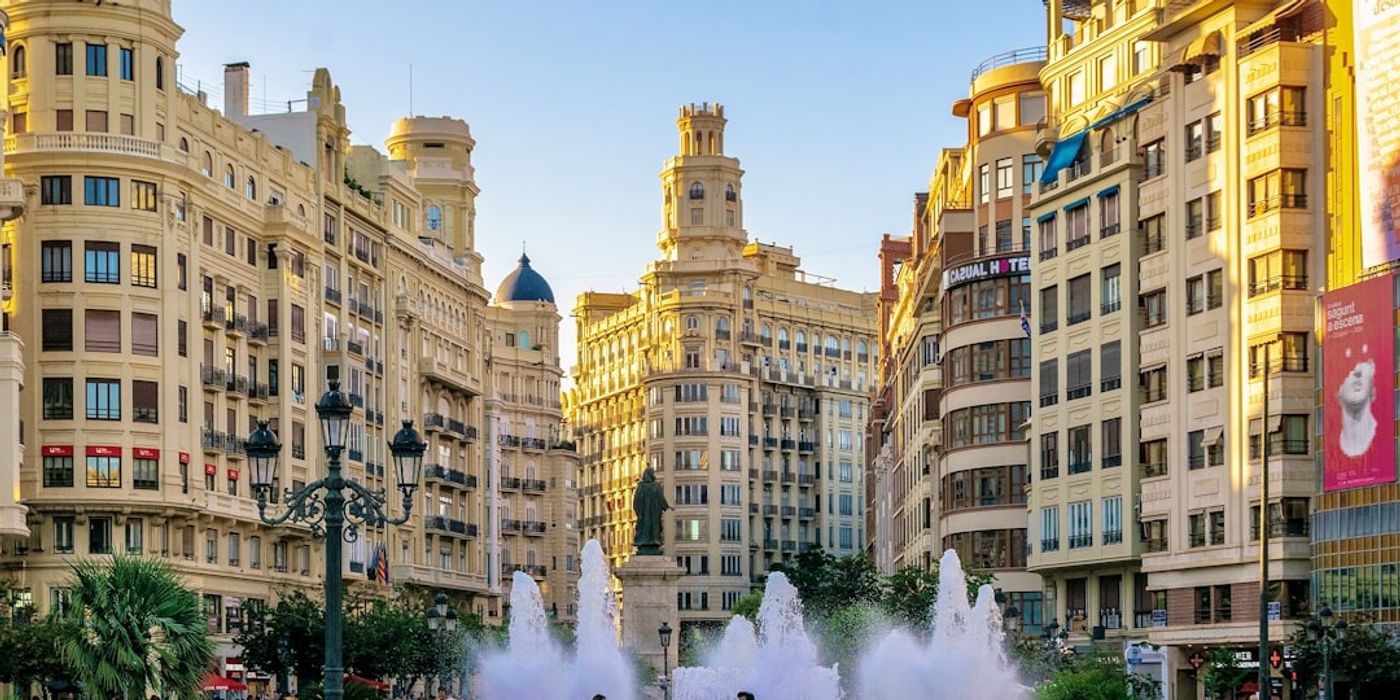
Guides · Valencia
12 Top Things to Do in Valencia, Spain

CEO and co-founder
This guide ranks the 12 top things to do in Valencia, Spain - the sights that genuinely earn a place on your itinerary across two days, three days, or a long weekend. Each entry comes with the exact street address, the nearest metro stop or tram line with walk times, and a practical Pro Tip drawn from local custom rather than guidebook clichés. The list runs from Santiago Calatrava's futuristic City of Arts and Sciences to the medieval cathedral that claims the Holy Grail, the modernist Mercado Central, the rerouted Turia riverbed turned into a 9 km urban park, and a half-day escape to the Albufera lagoon where paella was invented.
We have ordered the list by significance and grouped it geographically so you can plan efficient sightseeing routes. The Old Town entries (cathedral, Plaza de la Virgen, La Lonja, Mercado Central, El Carmen, Torres de Serranos) are walkable in a single afternoon, the City of Arts and Sciences and L'Oceanogràfic share a tram stop at the eastern edge of Turia Gardens, and Malvarrosa Beach is a 20-minute tram ride from the centre. Whether you have 48 hours, a full week, or a stop on a longer Spain trip, these 12 places to visit in Valencia cover the headline sights, the quiet quarters, and the food traditions that define the city.
1City of Arts and Sciences - Valencia's Futuristic Architectural Masterpiece
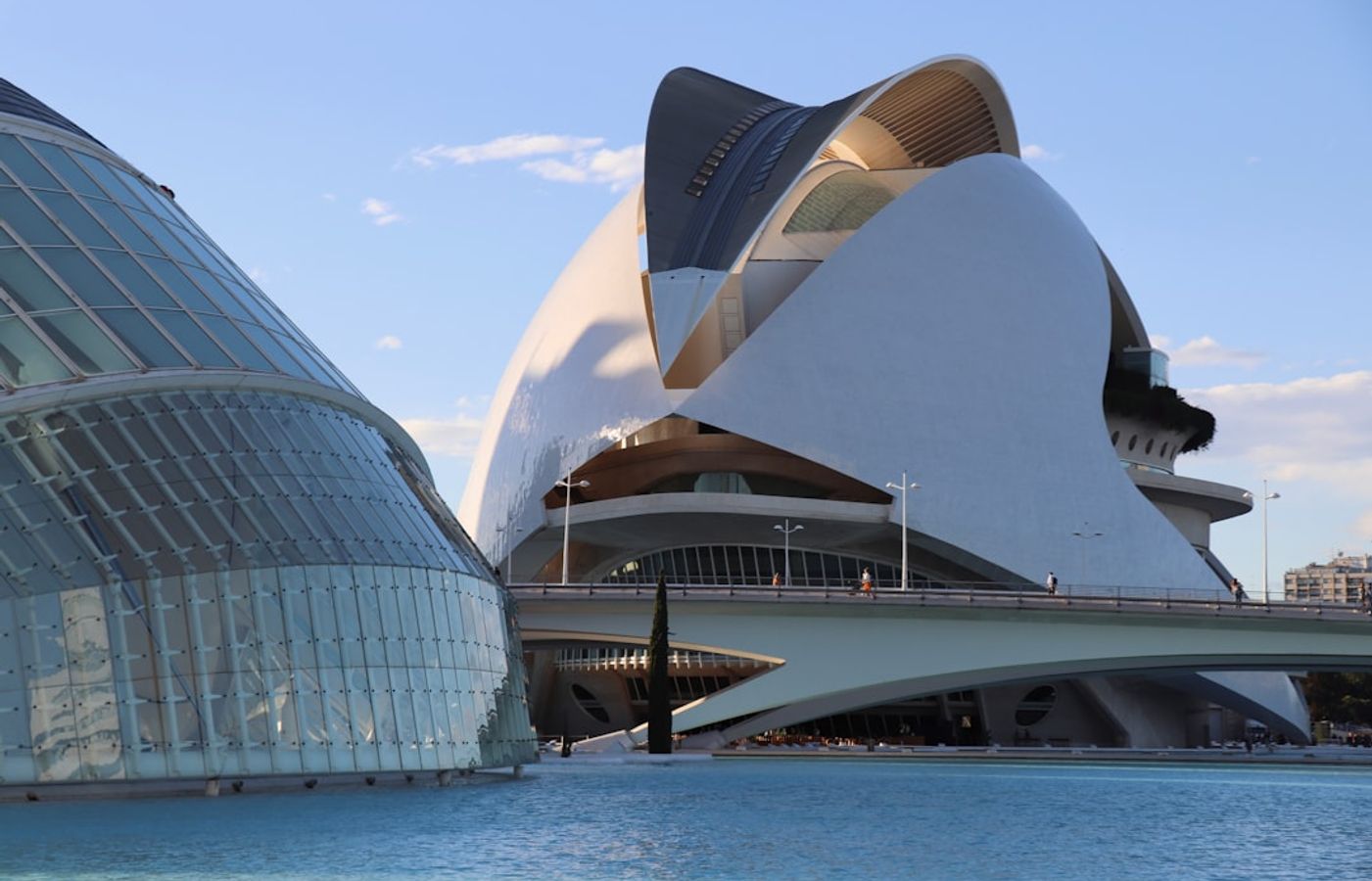
Topping every list of things to do in Valencia, the City of Arts and Sciences (Ciudad de las Artes y las Ciencias) is Santiago Calatrava and Félix Candela's vision in white concrete - a futuristic complex of museums, IMAX, opera house, and aquarium dropped into the diverted Turia riverbed between 1998 and 2009.
Five landmark buildings make up the complex: the Hemisfèric (an eye-shaped IMAX cinema and planetarium), the Príncipe Felipe Science Museum (interactive exhibits beneath a 220m skeleton-like canopy), the Umbracle (a curved promenade with sculptures and Mediterranean plants), the Palau de les Arts Reina Sofía opera house, and L'Àgora event space. The reflecting pools that surround them turn the whole site into a mirror at sunset, and the architecture has been used as a filming location for productions including Westworld and Tomorrowland. Allow at least half a day to explore properly.
Pro Tip: Buy the 3-attraction combo ticket online (Hemisfèric, Science Museum, Oceanogràfic) for around 41 EUR - it saves about 15 EUR versus walk-up prices and skips the queue. Visit the science museum first when energy is high, then break for an early lunch at one of the kiosks along the Umbracle before continuing.
2L'Oceanogràfic - Europe's Largest Aquarium
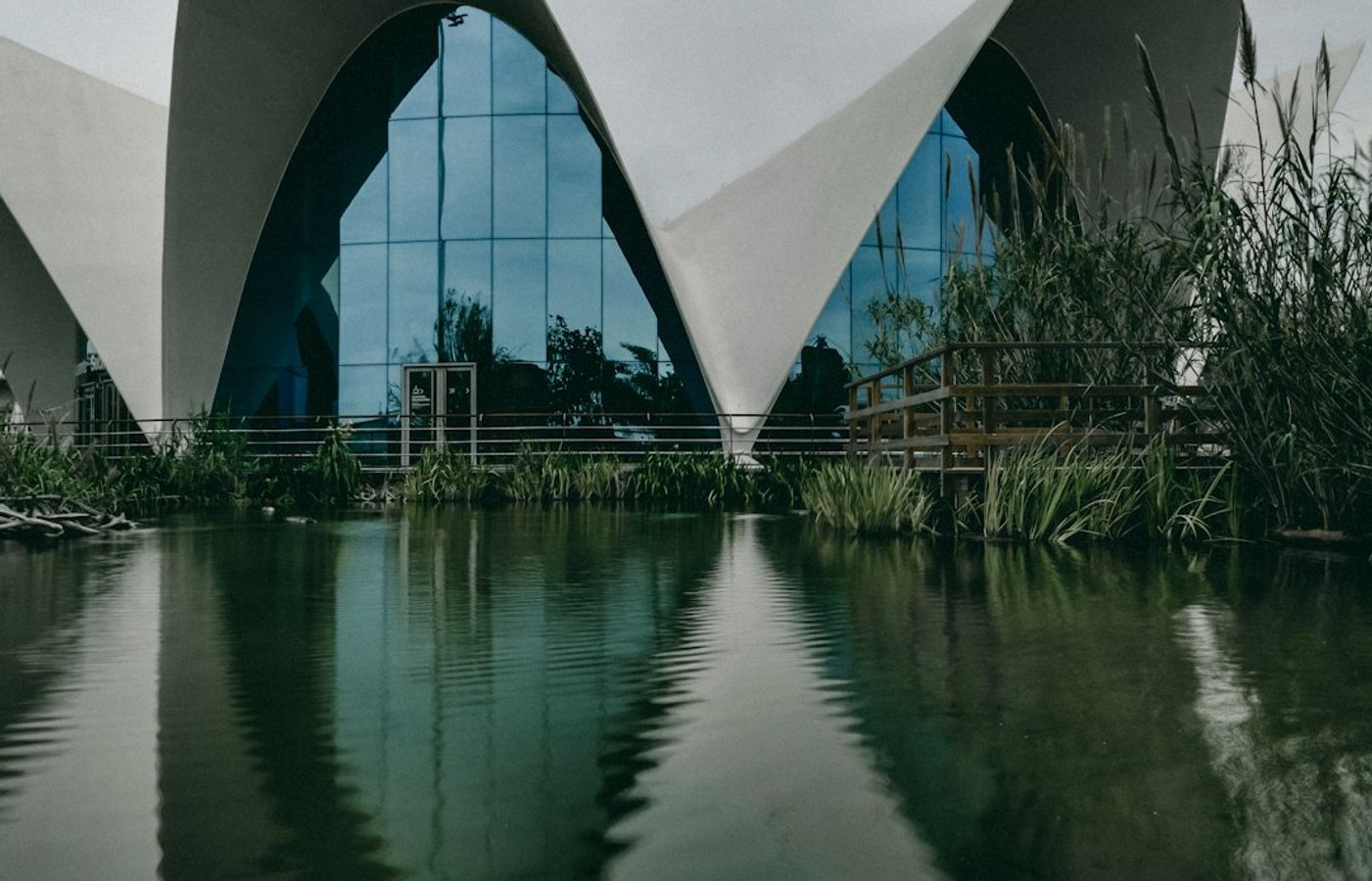
Designed by Félix Candela and opened in 2003, L'Oceanogràfic is the largest aquarium in Europe and one of the most striking buildings in the wider City of Arts and Sciences complex. Spread across 110,000 square metres, it holds 42 million litres of water and houses more than 45,000 animals across 500 species - including beluga whales, walruses, dolphins, sharks, penguins, and a 70m underwater tunnel through the oceans habitat.
The layout follows the world's marine ecosystems: temperate and tropical Mediterranean, Arctic, Antarctic, oceans, islands, marshlands, and the Red Sea. The dolphin show in the open-air dolphinarium runs three to five times a day depending on the season. The standout meal is at Submarino Restaurant - dining surrounded by a 360-degree fish tank in what is billed as the largest underwater dining room in the world.
Pro Tip: Arrive at the 10:00 opening and head straight to the oceans tunnel before tour groups arrive at 11:30. Book the dolphin show seats early online - the front rows do get splashed and the better elevated seats sell out by lunchtime in summer.

3Valencia Cathedral - Home of the Holy Grail
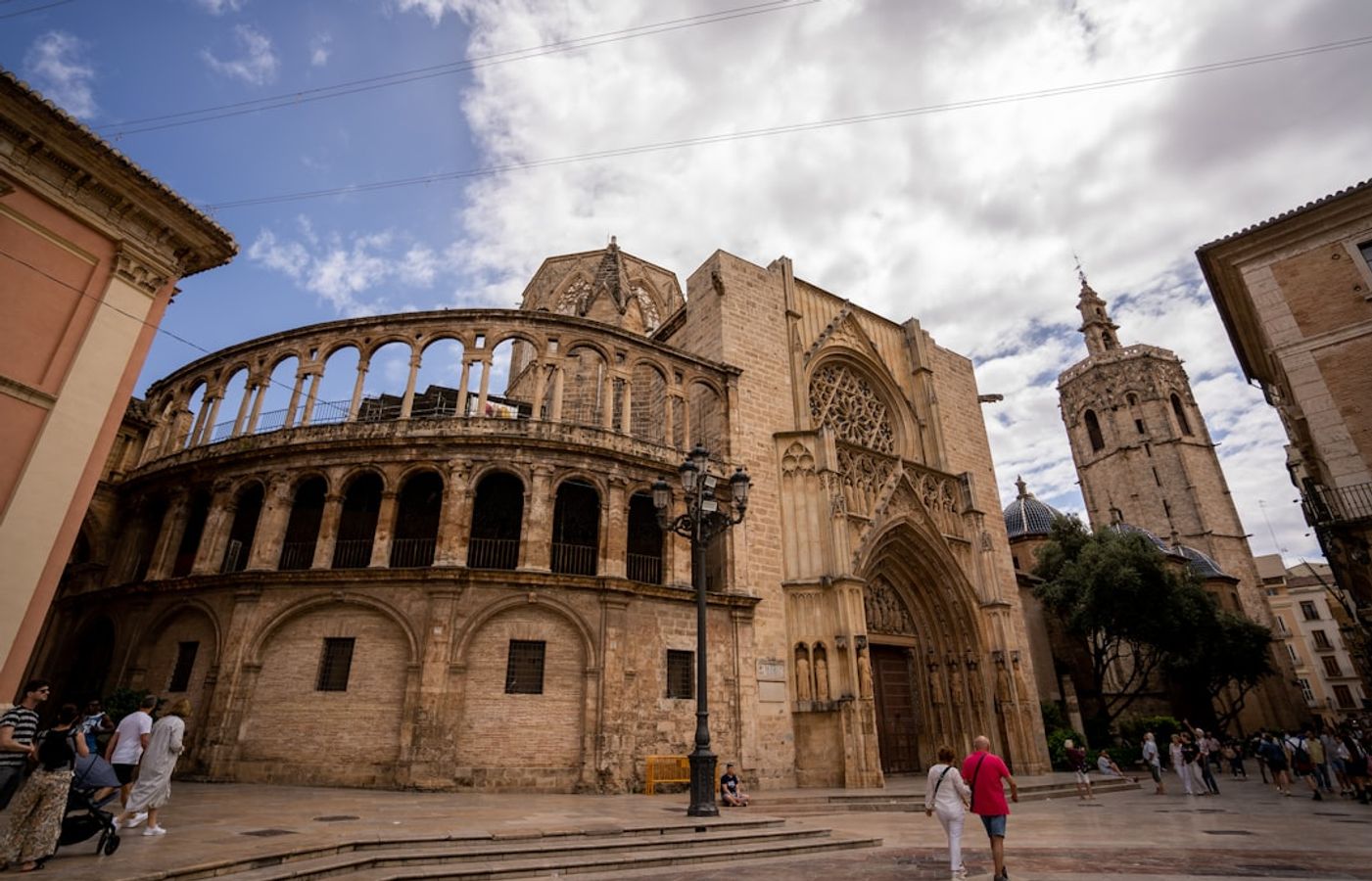
Valencia Cathedral (Catedral de Santa María de Valencia) is one of the most important things to do in Valencia for anyone interested in religious history. Construction began in 1262 on the site of a former Roman temple and Moorish mosque, and continued for nearly two centuries - giving the building three distinct portals (Romanesque, Gothic, and Baroque) and a layered architectural identity you can read at a glance.
The Holy Chalice Chapel houses an agate cup that the Vatican has accepted as the most credible candidate for the Holy Grail used at the Last Supper - the cathedral's long architectural history is a story in itself. Two Goya paintings hang in the San Francisco de Borja chapel. The 51m octagonal Miguelete bell tower (207 spiral steps) gives the best panoramic view over the Old Town. Mass is held daily, and the cathedral remains an active place of worship.
Pro Tip: Climb the Miguelete tower in late afternoon when the heat eases and the golden hour light hits the Old Town terracotta roofs. The Holy Chalice draws long queues at midday - go right after the 10:00 opening or after 17:00 for almost no wait.
4Plaza de la Virgen - The Beating Heart of Valencia's Old Town
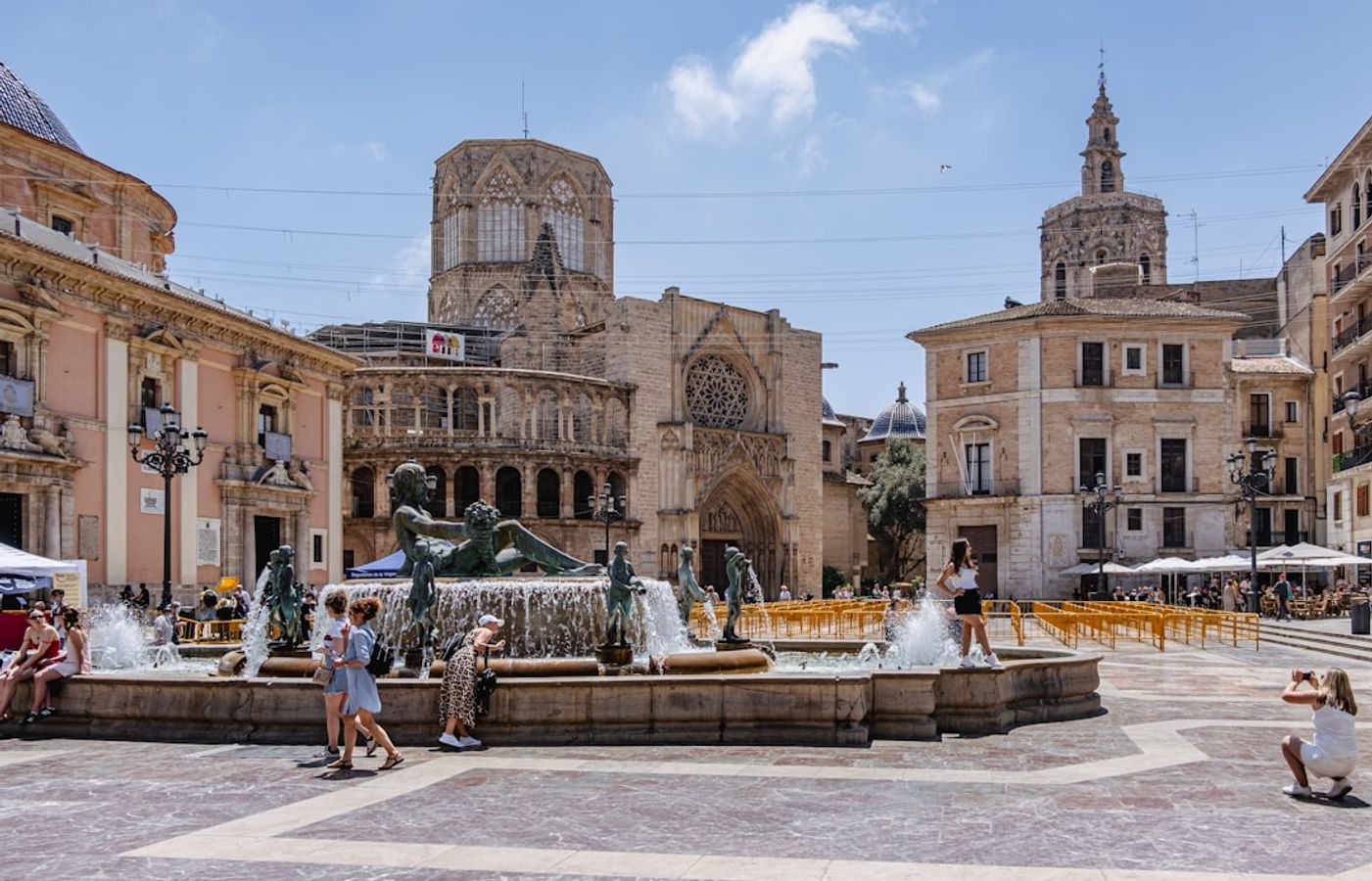
Plaza de la Virgen is the most beautiful square in Valencia's Old Town - a triangular plaza framed by the Basilica de la Mare de Déu dels Desemparats (Basilica of Our Lady of the Forsaken), the back of the cathedral, and the Palau de la Generalitat, the regional government headquarters since the 15th century. The reclining Turia Fountain at the centre depicts the river god surrounded by eight female figures representing the historical irrigation channels of the surrounding huerta farmland.
Every Thursday at noon, in front of the cathedral's Apostles' Door, the Tribunal de las Aguas (Water Tribunal) convenes. Eight elected farmer-judges hand down rulings on irrigation disputes in Valencian dialect - a court that has met without interruption for over 1,000 years and is recognised by UNESCO as Intangible Cultural Heritage. Sessions take 5-15 minutes and are open to the public, with a multilingual leaflet handed out at the start.
Pro Tip: Take a horchata at one of the cafe terraces and stay through the evening - musicians regularly play in the square after sunset, and the basilica's facade is dramatically lit. The square is at its emptiest at 8am for photography and most lively from 22:00 onwards.
5La Lonja de la Seda - Valencia's UNESCO Silk Exchange
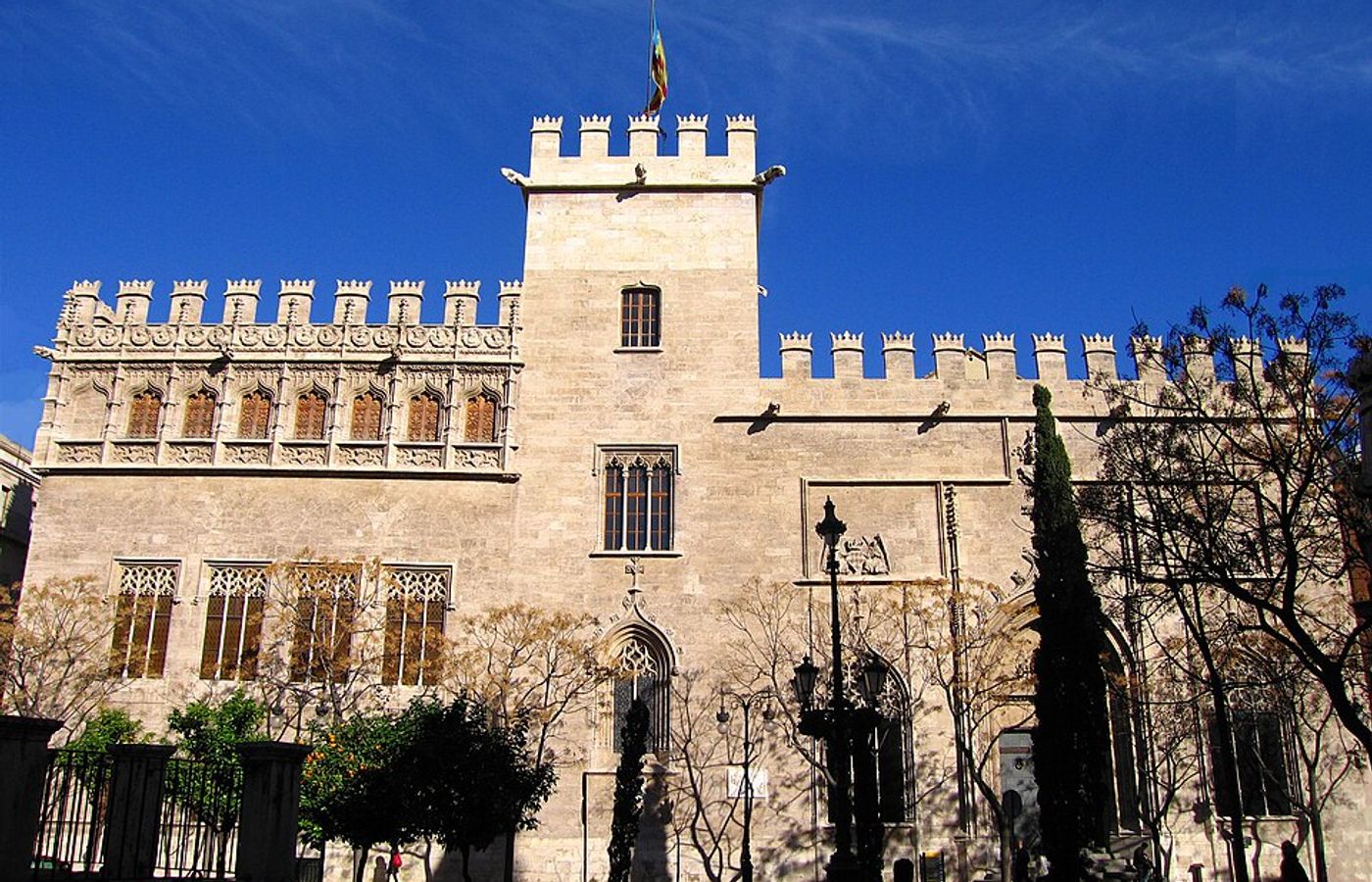
Built between 1482 and 1533, La Lonja de la Seda (the Silk Exchange) is the finest civic Gothic building in Spain and was added to the UNESCO World Heritage list in 1996. The Sala de Contratación - the Hall of Columns - is the masterpiece: 24 spiralling helical pillars rise to a vaulted ceiling 17m above, where merchants once traded silk, spices, and credit notes during Valencia's Golden Age.
Four sections make up the complex: the Hall of Contracts, the central Tower (used as a debtors' prison), the Pavilion of the Consulate, and the orange-tree courtyard at the heart. The carved stone friezes around the upper walls hide gargoyles and grotesques worth a closer look. Entry is just 2 EUR (free on Sundays and public holidays), and the building rarely sees the queues that form across the square at Mercado Central.
Pro Tip: Visit on a Sunday morning when entry is free, then walk five minutes south for tapas at a Mercado Central bar before the lunchtime crowds arrive. Bring a wide-angle lens or phone - the column hall is impossible to capture in a single frame otherwise.
6Mercado Central - One of Europe's Largest Covered Food Markets
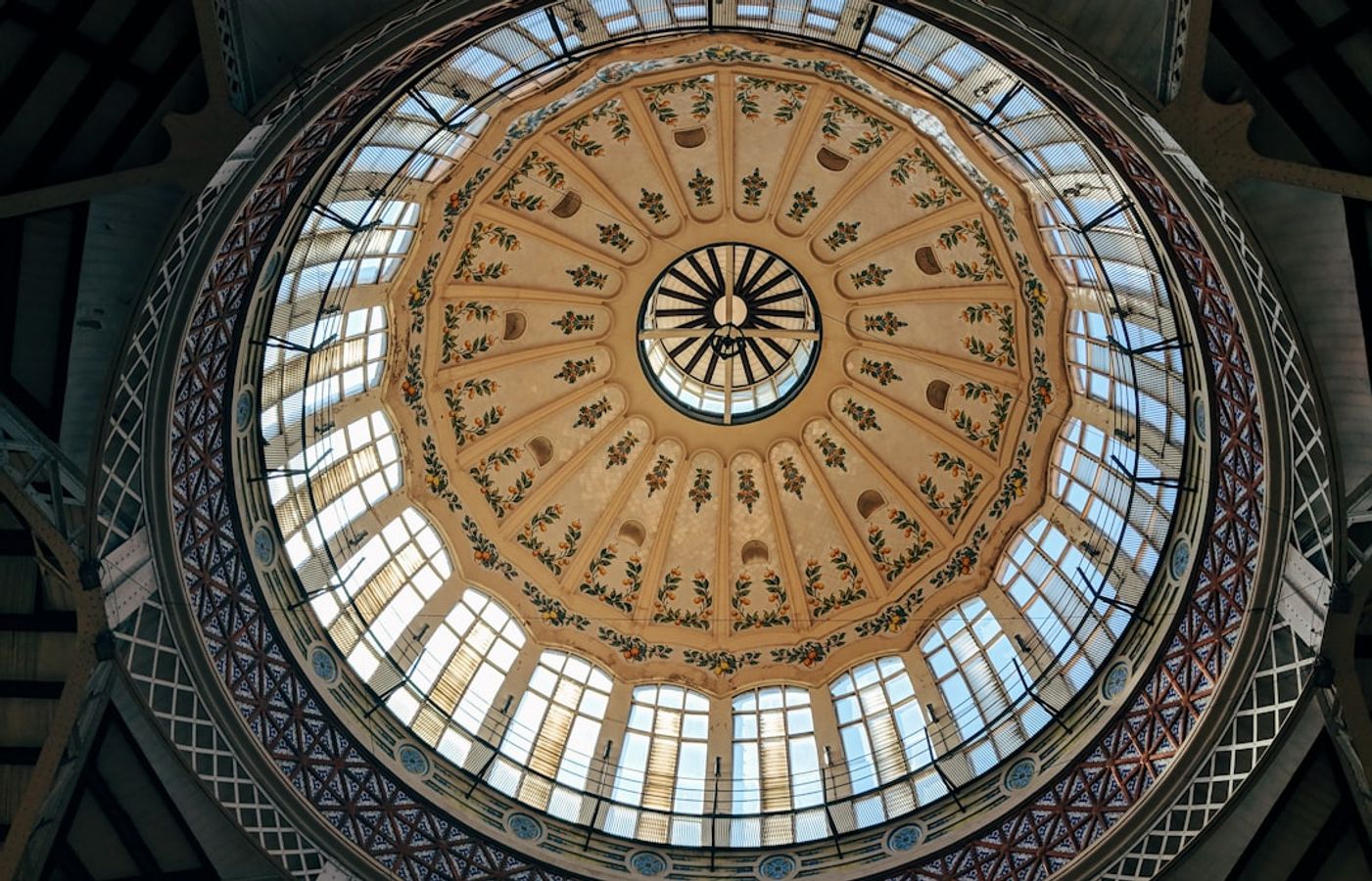
Mercado Central is one of the largest covered fresh-food markets in Europe, opened in 1928 inside a Modernist building of stained glass, ceramic tiles, wrought iron, and a soaring central dome topped by a parrot weathervane. It covers more than 8,000 square metres and hosts close to 1,000 active stalls selling everything that goes into a Valencian kitchen.
The layout repays a slow lap. Outer stalls sell fruit and vegetables grown in the surrounding huerta irrigated farmland; the central rings hold seafood, jamón ibérico carved to order, cheeses, dry-cured sausages, and the dried beans, snails, and bomba rice that go into a proper paella valenciana. Central Bar by Ricard Camarena - a 20-seat tapas counter inside the market - is one of the best lunches in the city. The market closes at 15:00 daily and all day Sunday.
Pro Tip: Grab a bocadillo de calamares and a glass of vermouth at one of the bar stalls between 12:00 and 13:00 - locals stop by on their way home from work and the energy is at its peak. Avoid 14:30 onwards when stallholders are packing up.
7Torres de Serranos - The Best-Preserved Medieval Gates
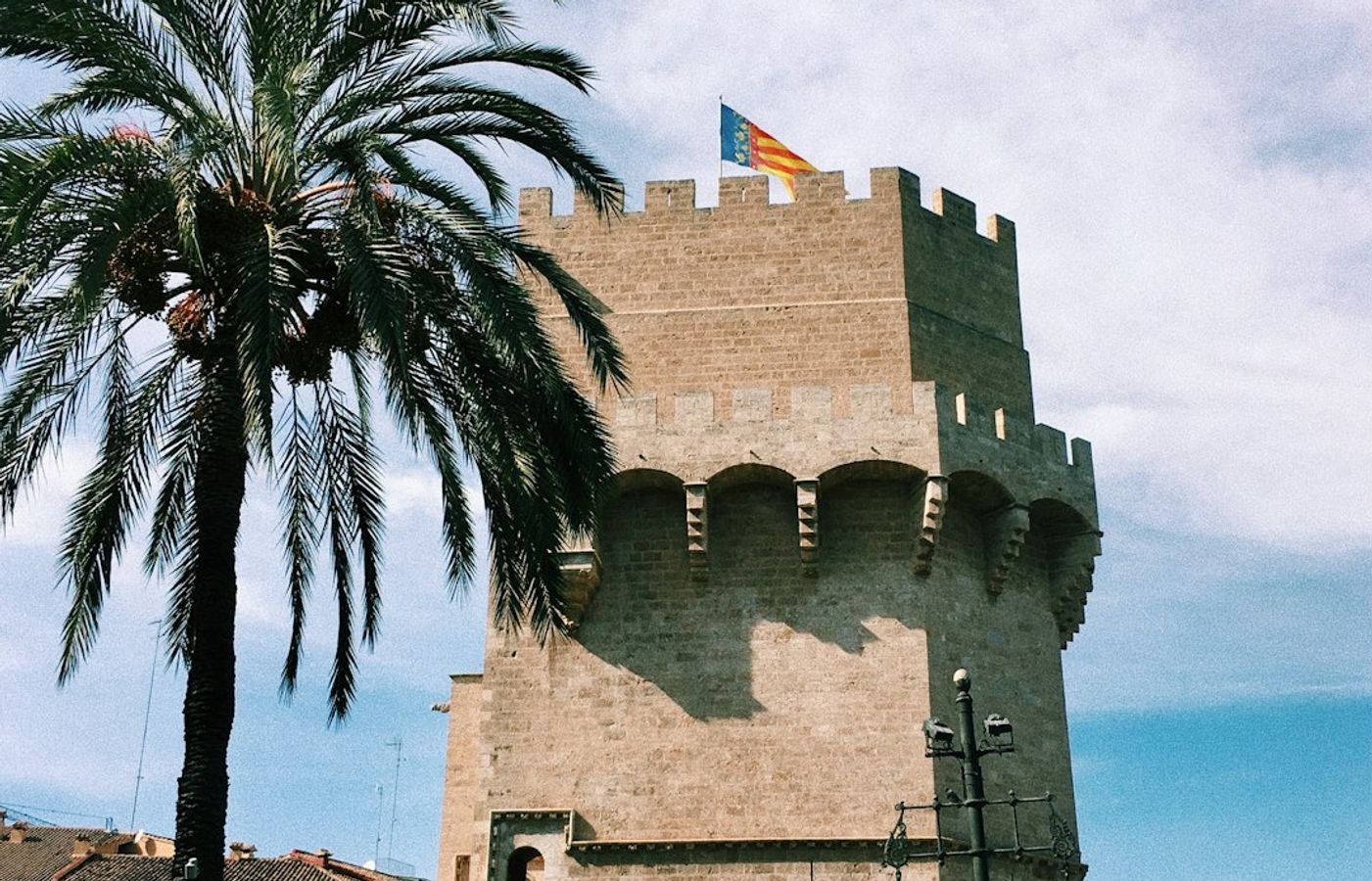
The Torres de Serranos are two of the best-preserved medieval gateways in Europe - twin polygonal towers built between 1392 and 1398 by Pere Balaguer as the main entrance to the walled city from the north. Walking under the central arch you cross the same threshold by which kings, ambassadors, and traders entered Valencia for over five centuries.
The gates served as the city's grand ceremonial entrance until the 19th century, then became a noble prison after Valencia's other gates were demolished in 1865. Climb 50 steps to the rooftop terrace for one of the best skyline views in the Old Town - the cathedral's Miguelete bell tower, the rooftops of El Carmen, and the green ribbon of Turia Gardens to the north. Entry is 2 EUR, free on Sundays and public holidays. Each March the towers host the Crida - the Mayor's official call summoning the city to Las Fallas.
Pro Tip: Climb at sunset and stay 20 minutes past the closing crowds - the gates are floodlit from below and the photo from the bridge facing south at blue hour is the best you will get of medieval Valencia.
8El Carmen - Valencia's Bohemian Old Town Quarter
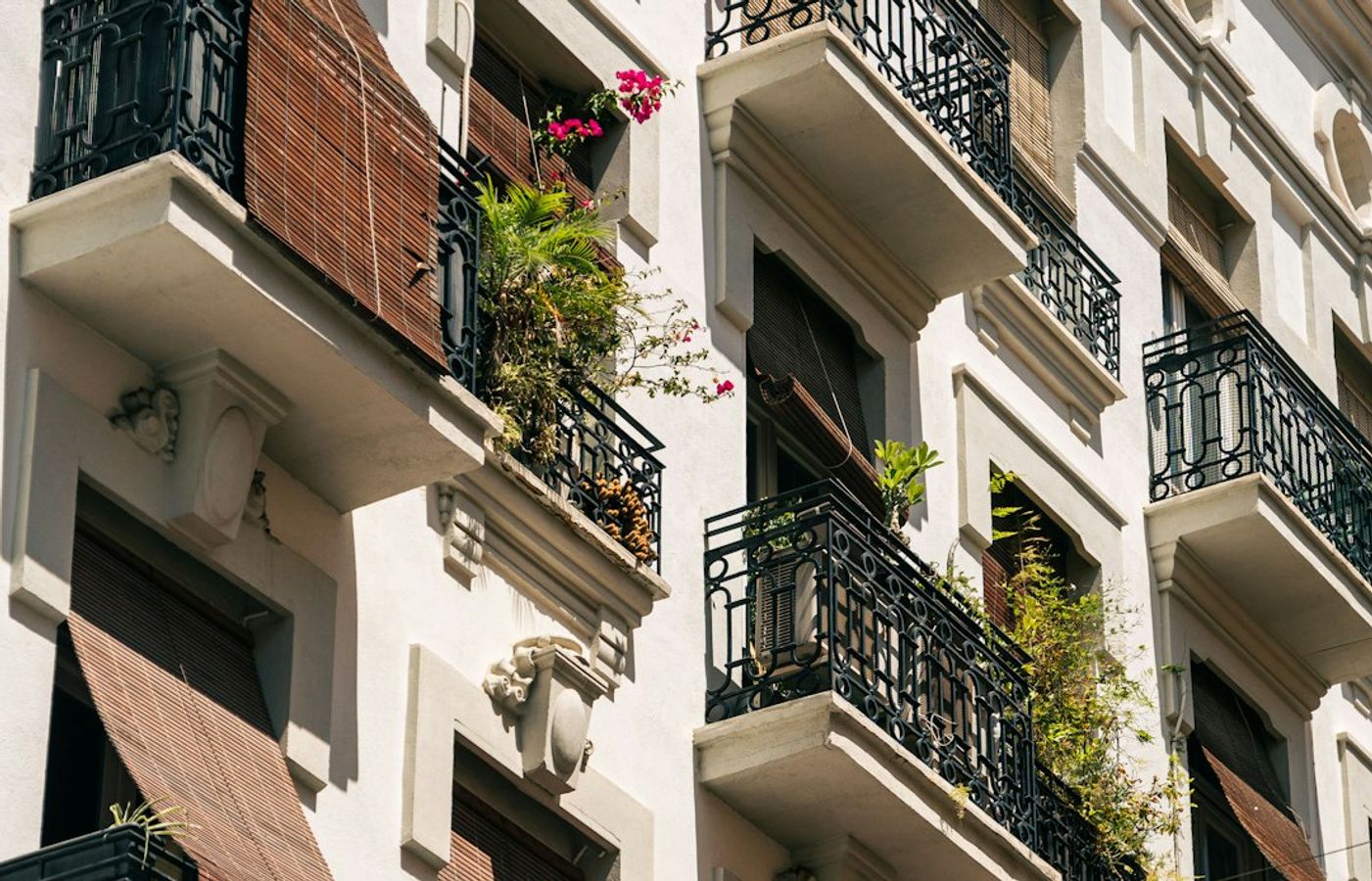
El Carmen (Barri del Carme) is the bohemian quarter of Valencia's Old Town, bounded by the medieval city walls between Torres de Serranos and Torres de Quart. Narrow stone lanes, tucked-away churches, plant-draped balconies, and large-scale street art make it the most photogenic neighbourhood in the city - and the best place to wander without a map.
Key stops: the IVAM (Institut Valencià d'Art Modern) for 20th-century Spanish art and free Sunday entry; the Iglesia de San Nicolás with its restored Baroque frescoes that have earned it the nickname Sistine Chapel of Valencia; Plaza Redonda, a circular 19th-century shopping plaza of haberdashers and lace stalls; and the Torres de Quart, the western twin to Torres de Serranos with cannonball pockmarks from the Napoleonic siege of 1808. By night, Plaza del Tossal and Calle Caballeros become the city's nightlife corridor.
Pro Tip: Walk El Carmen between 18:00 and 20:00 in the paseo (evening stroll) hour - residents come out, the heat eases, the boutiques reopen after siesta, and the lighting is perfect for photography. Avoid trying to find a specific bar by GPS in the warren of lanes - just follow the music.
9Turia Gardens - Europe's Longest Urban Park
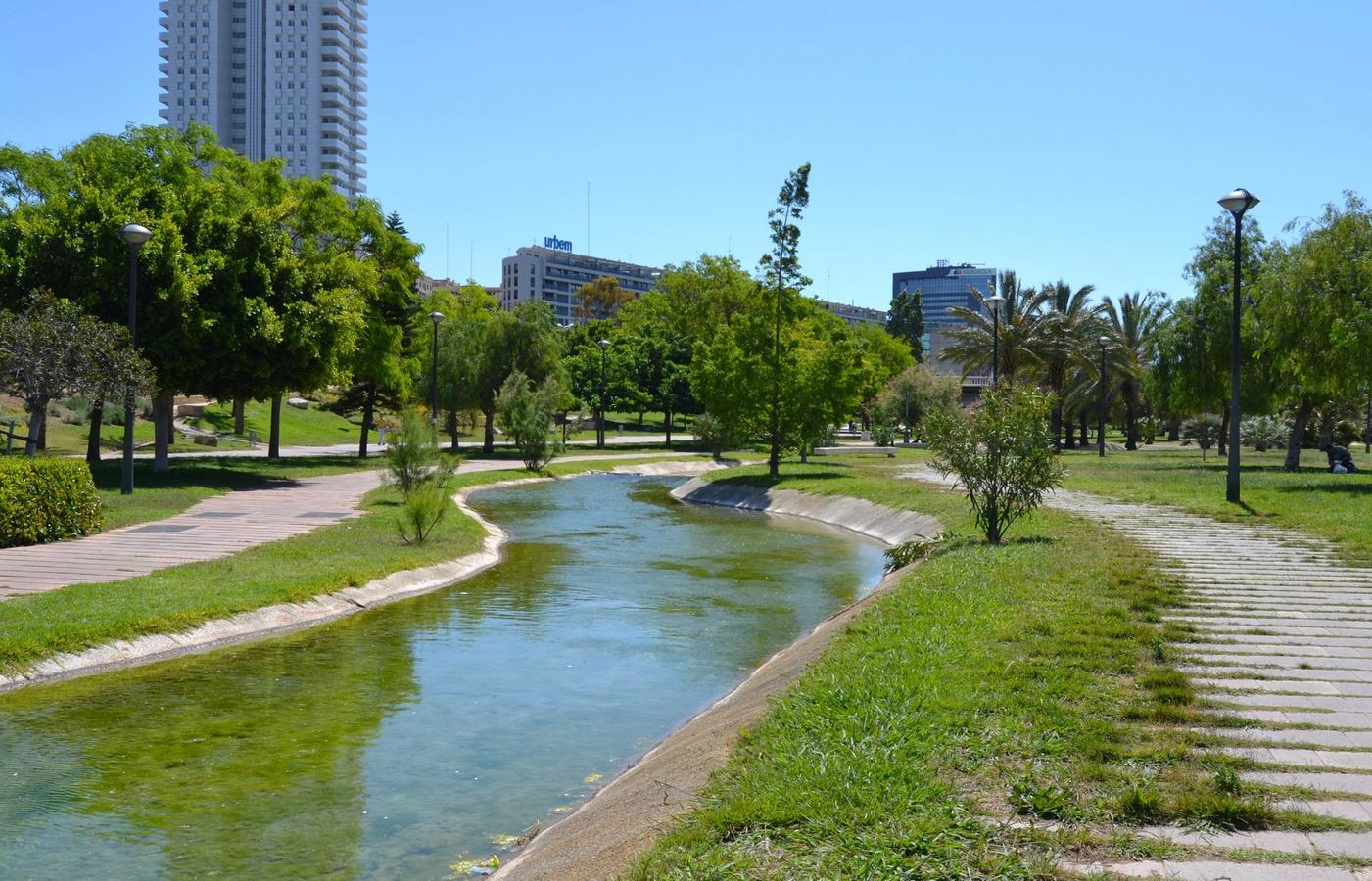
Turia Gardens (Jardí del Túria) is the green spine of Valencia and one of the longest urban parks in Europe - a 9 km landscaped river of cycle paths, sports pitches, fountains, and pine groves running through the heart of the city. The park exists because of catastrophe: after the 1957 flood killed 81 people, the city diverted the Turia River south to a new channel and turned the dry riverbed into parkland.
The park crosses 18 historic and modern bridges and links almost every major attraction on this guide. At the east end sits the City of Arts and Sciences; at the west end, the Bioparc and Cabecera Park lake. Halfway along, Gulliver Park turns the giant from Jonathan Swift's novel into a 70m climbing structure of slides, ropes, and hidden tunnels - the single best thing in Valencia for travelling kids and not-so-kids. The Valenbisi public bike-share scheme (around 14 EUR for a one-week pass) is the obvious way to do the full length in one go.
Pro Tip: Cycle east to west starting at the Palau de la Música and end at Cabecera Park lake for sunset and a drink at one of the lakeside kioskos. The west end is the quieter half - most locals walk the eastern stretch.
10Malvarrosa Beach - Valencia's Mediterranean Seafront
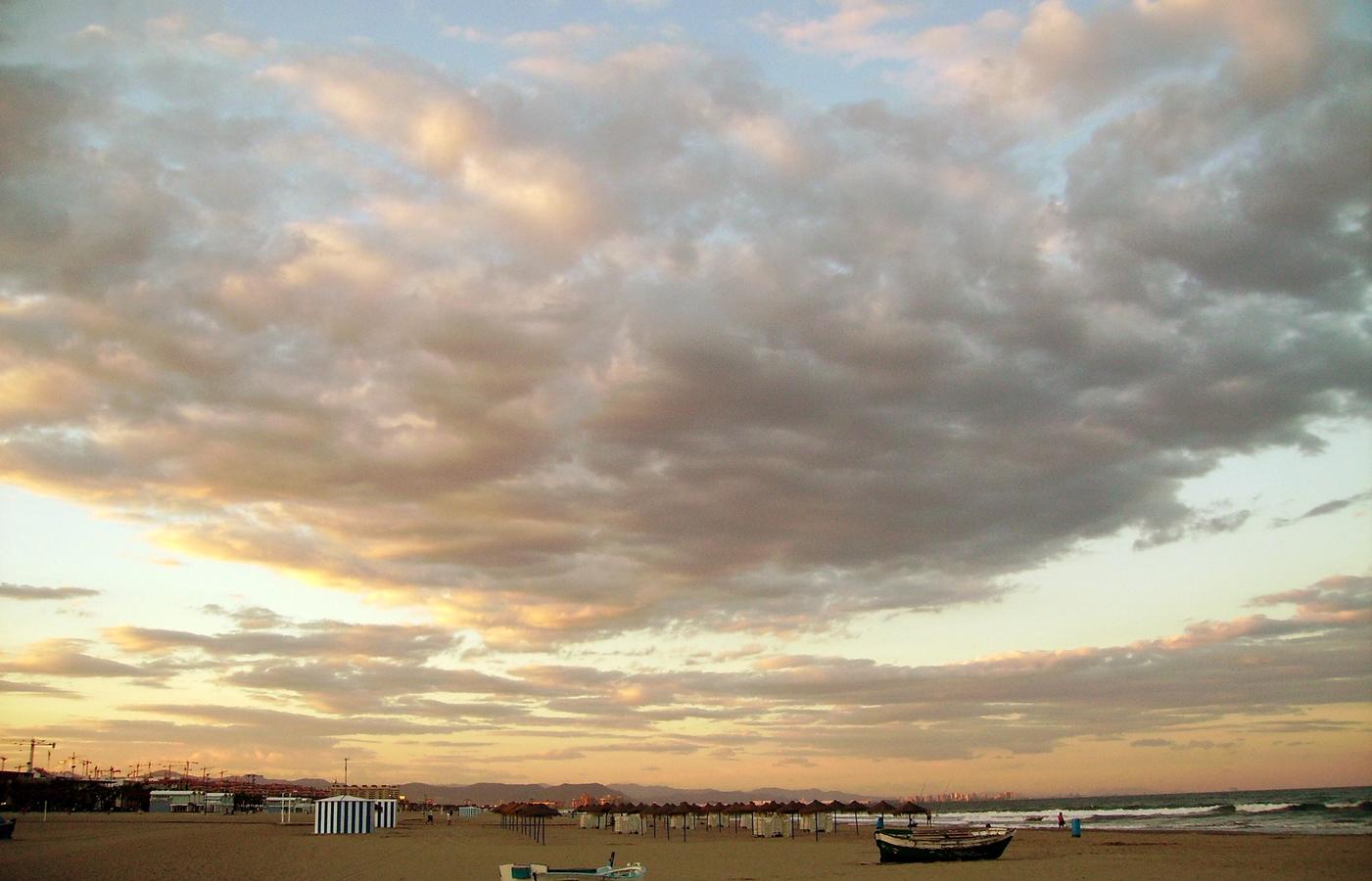
Malvarrosa Beach (Platja de la Malvarrosa) is the most popular stretch of Valencia's 4 km city seafront - a wide ribbon of fine golden sand, 135m from the promenade to the water at its widest, with a long pedestrian passeig marítim lined with paella restaurants, ice-cream parlours, and surf rental kiosks.
The beach hides a literary past. Vicente Blasco Ibáñez, the Valencian novelist whose Cañas y Barro and La Barraca defined the regional literary canon, lived in a villa on the seafront that is now the Casa-Museo Blasco Ibáñez. Hemingway favoured the same beach when researching For Whom the Bell Tolls, and Joaquín Sorolla painted the fishermen's wives mending nets in canvases that hang in Madrid's Sorolla Museum and the Hispanic Society in New York. Behind the beach, the Cabanyal barrio of low fishermen's houses with hand-painted ceramic tile facades is one of the most distinctive walks in the city.
Pro Tip: Skip the larger tourist-trap paelladors directly on the front. Walk one block back into Cabanyal for Casa Carmela (founded 1922) or La Pepica (Hemingway's haunt) for the real thing - book Sunday lunch at least 48 hours ahead.
11L'Albufera Natural Park - Birthplace of Paella
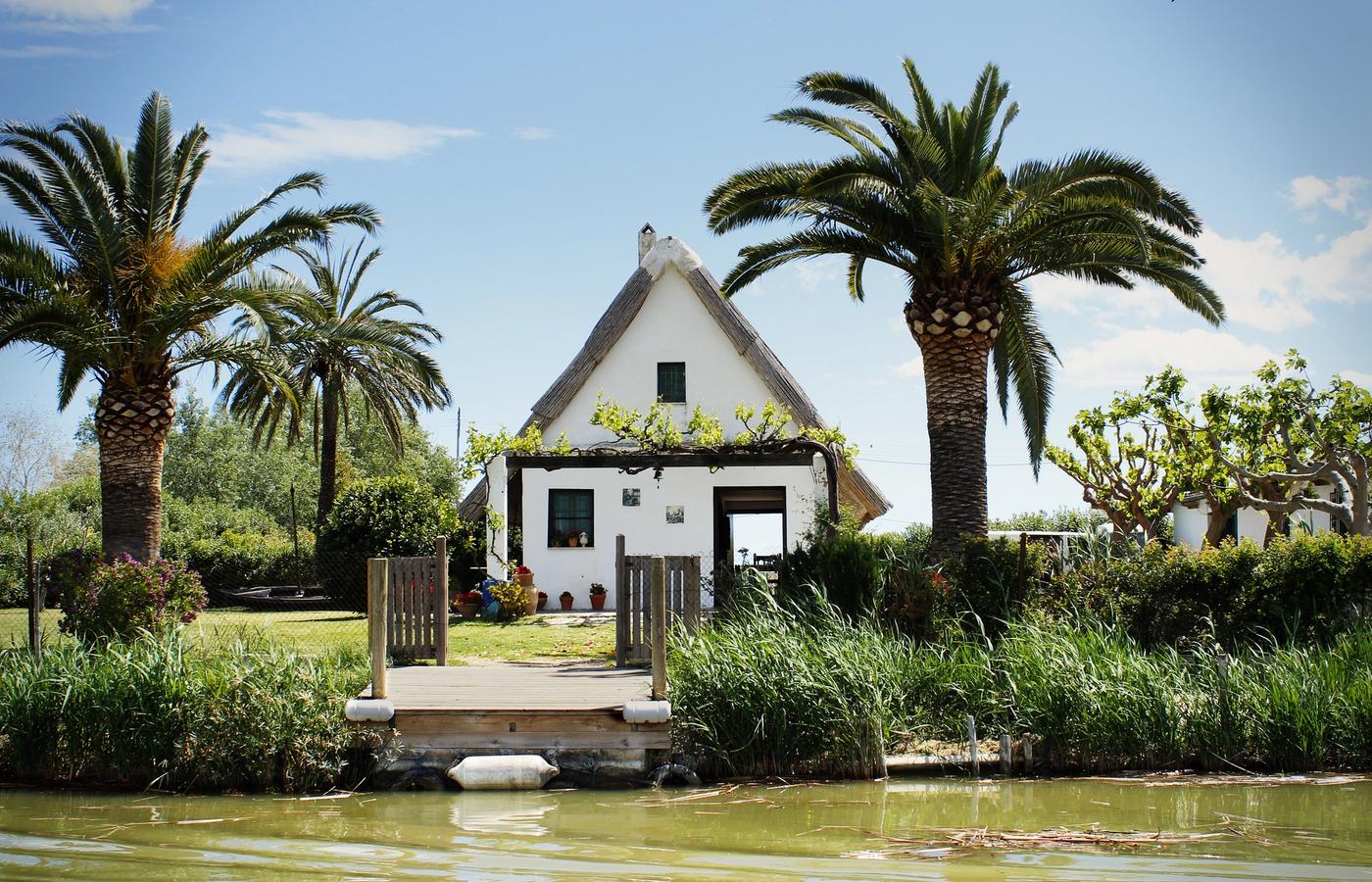
Twenty minutes south of the city, L'Albufera Natural Park is a 21,120-hectare freshwater lagoon, dune system, and rice-field expanse that the Romans first irrigated and the Moors turned into a granary. Today it is the largest lake in Spain, an EU Special Protection Area for more than 350 bird species - including flamingos, herons, and the rare Audouin's gull.
The lagoon is the historic birthplace of paella valenciana. The original 19th-century recipe used what farm workers had to hand: rabbit, chicken, snails, garrofó beans, ferradura beans, and bomba rice cooked in a wide flat pan over orange wood from the surrounding groves. Sunday lunch in El Palmar village - the rice-growers' settlement on a small island in the lagoon - is the most authentic paella experience anywhere in Spain. Traditional flat-bottomed albuferenc boats run sunset trips on the lagoon (around 5 EUR for 30 minutes), and the light at golden hour with a thousand wading birds and a lateen sail in the foreground is unforgettable.
Pro Tip: Book Casa Fèlix or Bon Aire restaurants in El Palmar by 11:00 for a 14:30 paella sitting on Sunday - they fill up by mid-morning. After lunch, walk five minutes to the lagoon for a 17:30 boat trip and time the return to coincide with sunset.
12Bioparc Valencia - An Innovative Zoo Without Visible Cages
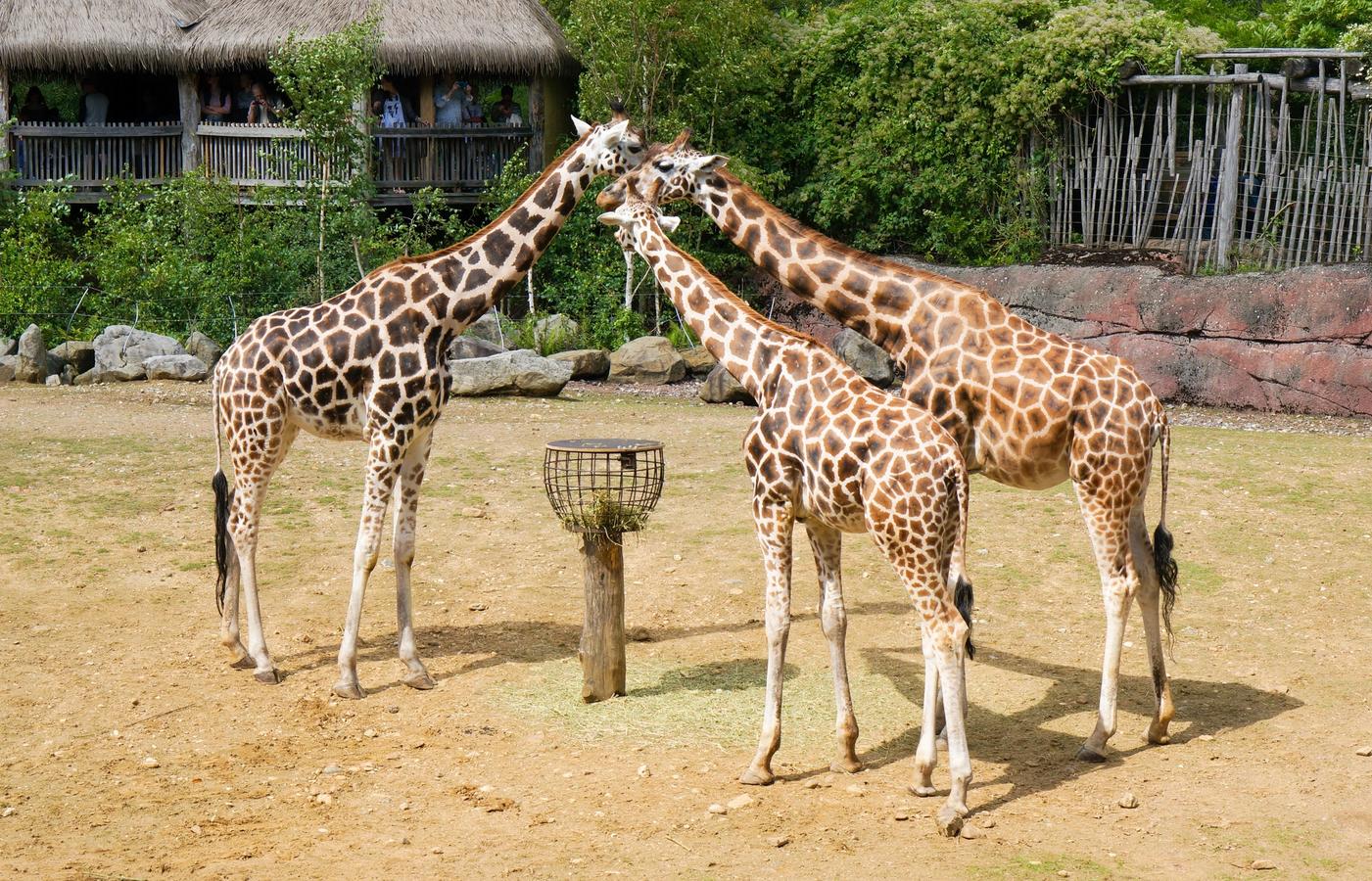
Opened in 2008 inside Cabecera Park at the western end of Turia Gardens, Bioparc Valencia rewrote the Spanish zoo concept by removing visible cages and barriers entirely. Animals and visitors share the same landscaped immersion zones - lions, gorillas, hippos, lemurs, and elephants are separated from the path by hidden moats, dry creek beds, and dense vegetation rather than fences.
The park's 10 hectares are organised into four African ecosystems: the equatorial forest of Central Africa (chimpanzees, lowland gorillas), the savannah of East Africa (Rothschild giraffes, white rhinos, leopards), the wetlands of Lake Magadi, and Madagascar (ring-tailed lemurs, fossas, radiated tortoises). Allow 3-4 hours for a full visit. The visitor flow is one-way and almost completely shaded, the cafe and picnic areas are well placed, and the absence of bars between you and the animals means even short visitors get clear views.
Pro Tip: Buy combination tickets online with L'Oceanogràfic for a 15-20% discount - the two attractions sit at opposite ends of Turia Gardens and make an ideal two-day pairing. Aim to arrive at 10:00 opening to catch the morning feeding rounds before the heat builds.

CEO and co-founder
Tomas is the co-founder and director of trip1, an European company specializing in reservation services. He launched the company in 2025 with a focus on building scalable, efficient operations.
12 Top Things to Do in Valencia, Spain - FAQ
No - a realistic plan covers 4-5 attractions per day. Trying to fit all 12 into 24 hours means rushing the City of Arts and Sciences (which deserves at least half a day), skipping the Albufera lagoon trip, and seeing the cathedral and Mercado Central in queues. Three full days is the sweet spot, four if you want a beach afternoon at Malvarrosa and the Bioparc on top of the Old Town and waterfront sights.
Group by location, not by ranking. Day one: the Old Town cluster - Valencia Cathedral, Plaza de la Virgen, La Lonja de la Seda, Mercado Central, then El Carmen and Torres de Serranos, all walkable in one afternoon. Day two: City of Arts and Sciences and L'Oceanogràfic in the morning and early afternoon, then tram line 4 or 6 east to Malvarrosa Beach for sunset and a paella dinner. Day three: cycle Turia Gardens west to Bioparc Valencia in the morning, then take bus 25 to El Palmar at Albufera for a 14:30 paella lunch and a 17:30 boat trip on the lagoon.
Three need booking ahead in spring and summer. L'Oceanogràfic combo tickets (with the Hemisfèric and Príncipe Felipe Science Museum) sell out 2-3 weeks in advance during July and August. Bioparc Valencia regularly has 60-90 minute queues at weekends. Albufera sunset boat trips out of El Palmar only run 3-4 sailings per day. Valencia Cathedral, La Lonja, Torres de Serranos, and Mercado Central use walk-up tickets or are free entry, so no booking is required. Reserve City of Arts and Sciences combo tickets online for a 10-15% discount versus the gate price.
Budget around 90-110 EUR per adult for paid entries. Headline costs in 2026: L'Oceanogràfic 39 EUR (or 34.90 booked online), Hemisfèric 9 EUR, Príncipe Felipe Science Museum 9 EUR, Bioparc Valencia 28.50 EUR, Valencia Cathedral 9 EUR with Miguelete bell tower included, La Lonja de la Seda 2 EUR (free Sundays), Torres de Serranos 2 EUR. Free: Plaza de la Virgen, Mercado Central (browse only), El Carmen walks, Turia Gardens, Malvarrosa Beach, Albufera Natural Park entry. Boat trips at Albufera cost about 5 EUR. The Valencia Tourist Card (15-25 EUR for 24-72 hours) covers public transport and adds 10-20% off most paid sights.
Five strong runners-up are worth fitting in if you have 4+ days. The Palacio del Marqués de Dos Aguas houses the National Ceramics Museum behind one of the most extravagant Rococo facades in Spain. Mercado de Colón is a smaller modernist food market converted into restaurants and cafes - go for breakfast horchata. The IVAM (Valencian Institute of Modern Art) in El Carmen has a strong Julio González collection and free Sunday entry. The Iglesia de San Nicolás, nicknamed the Sistine Chapel of Valencia, has restored Baroque ceiling frescoes worth a 30-minute audio-guided visit. And catching the Tribunal de las Aguas - the 1,000-year-old Water Tribunal - in front of the cathedral every Thursday at noon is a 10-minute window into living medieval law.
Yes - they share an entrance plaza and combo tickets. Allow a full day. Plan for 2.5 hours at L'Oceanogràfic (more if dolphin shows are running), 1 hour at the Hemisfèric IMAX or planetarium screening, and 2-3 hours at the Príncipe Felipe Science Museum. The 3-attraction combo ticket costs around 41 EUR online and saves about 15 EUR versus buying separately. Bring sun protection in summer - the white concrete reflects fiercely and there is little natural shade between buildings, so reusable water bottles and a wide-brim hat make a real difference between June and September.
Yes, all 12 are reachable on Valencia's metro, tram, and bus network. The Old Town cluster (cathedral, La Lonja, Mercado Central, Plaza de la Virgen, El Carmen, Torres de Serranos) is best walked from Metro Xàtiva or Colon on lines 3, 5, 7, and 9. The City of Arts and Sciences and L'Oceanogràfic share buses 15, 35, 95 and tram line 10. Malvarrosa Beach is a direct 20-minute ride on tram lines 4 or 6. Bioparc is reached on bus 95 or Metro Nou d'Octubre. L'Albufera is bus 25 from Plaza de la Reina (~45 minutes). A SUMA card or 10-trip TuiN card covers all three modes seamlessly.