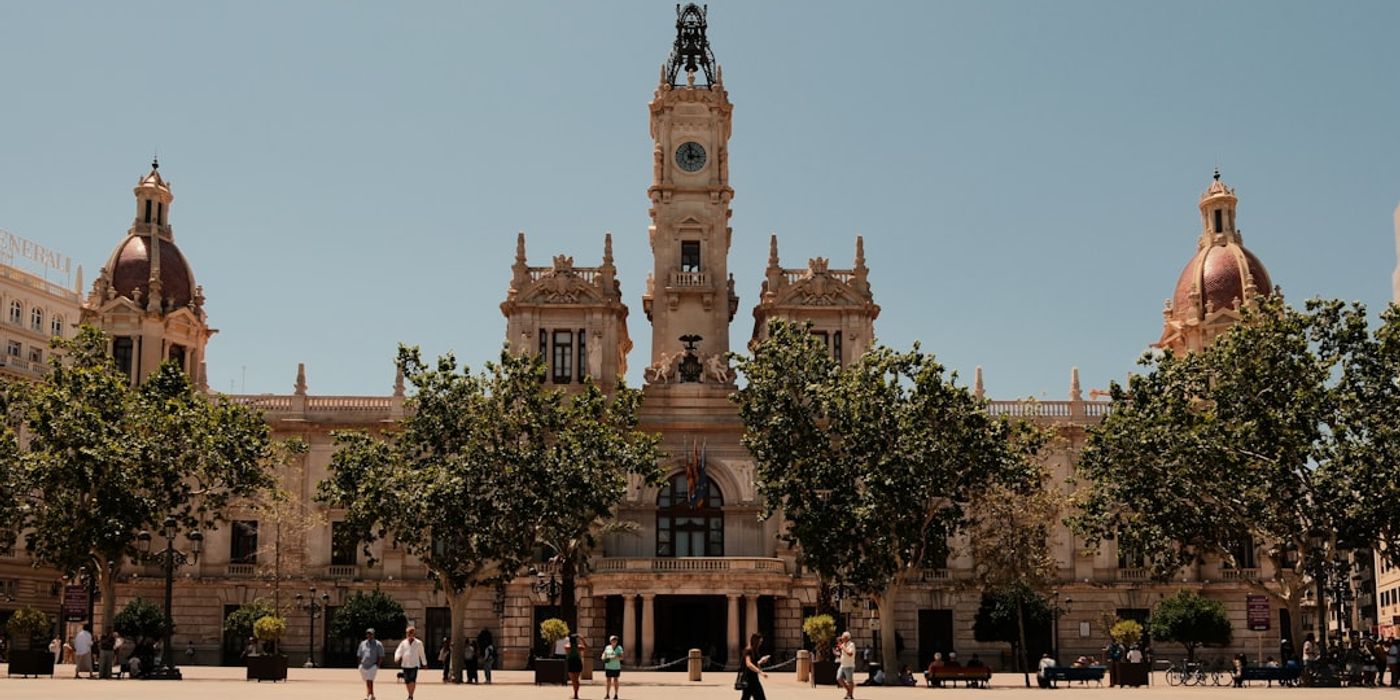
Valencia Travel Guides
Browse and explore the best travel guides in Valencia.
Valencia is Spain's third-largest city, set on the Mediterranean coast where the Turia River once met the sea. Founded by the Romans in 138 BC as Valentia Edetanorum, it has been shaped over two millennia by Visigoths, Moors, and the Christian Reconquista, leaving a Old Town of Gothic and Baroque churches, a UNESCO-listed silk exchange, and one of Europe's largest covered food markets. Walk a few minutes east and the cityscape changes completely - the futuristic white shells of the City of Arts and Sciences rise over a former riverbed.
The city is the birthplace of paella and a year-round destination thanks to mild winters, golden Mediterranean beaches at Malvarrosa, and one of the largest urban parks in Europe - Turia Gardens, built into the diverted riverbed that loops around the Old Town for 9 km. Valencia rewards a slower visit. The historic centre is compact and walkable, a comprehensive metro and tram network connects the airport, beaches, and outer neighbourhoods, and the city's flat terrain makes it one of Spain's best places to explore by bicycle.
Compared to Madrid and Barcelona, Valencia is noticeably cheaper and less crowded, with a thriving food scene built around horchata, agua de Valencia, and rice dishes that go far beyond the iconic paella valenciana. The annual Las Fallas festival in March, recognised by UNESCO as Intangible Cultural Heritage, fills the streets with towering papier-mache sculptures and nightly fireworks. Outside that week, the pace stays relaxed - long lunches, late dinners, and beach afternoons within a 20-minute tram ride from the cathedral.
Valencia Travel Facts
Valencia Travel Guides
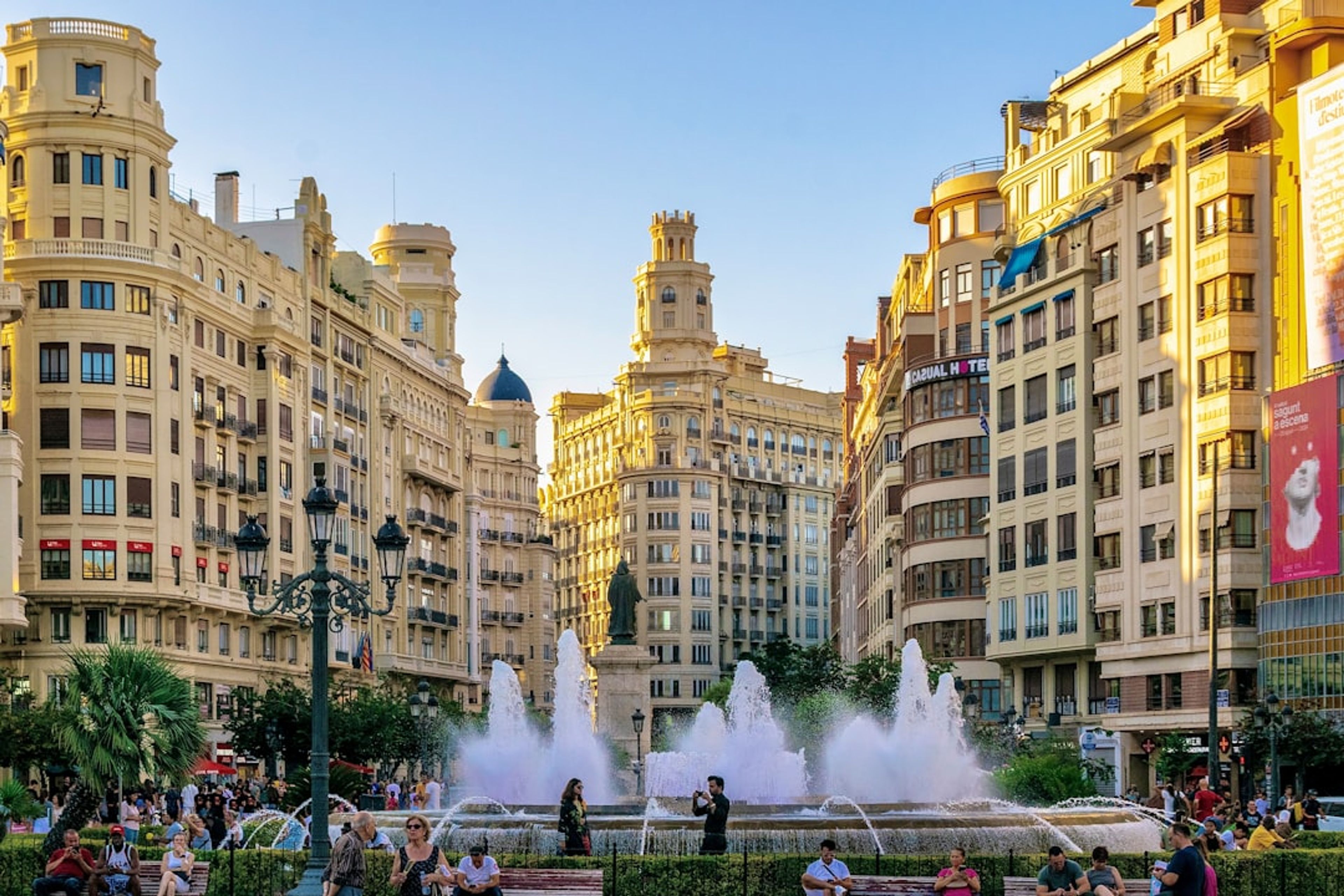
Stay in the loop
Get the latest deals, new destinations, and travel tips delivered straight to your inbox.
No spam, unsubscribe anytime.
Latest Travel Guides
Valencia Destination FAQ
The best time to visit Valencia is mid-April to early June or September to October. Spring delivers temperatures of 18-25°C, blooming jacarandas, and the lead-up to Las Fallas in mid-March, when the city stages its biggest festival with towering sculptures and nightly fireworks. Autumn brings warm sea temperatures into October and noticeably thinner crowds. Avoid August if you can - locals leave town, many family-run restaurants close for two to three weeks, and inland heat regularly tops 32°C. Winter is mild (10-16°C), affordable, and ideal for indoor sights like the cathedral, Mercado Central, and the Oceanografic aquarium.
The fastest and cheapest option is the Metro. Valencia Airport (VLC, also called Manises) sits 8 km west of the city, and Metro lines 3 and 5 run directly into the centre with stops at Xativa (next to the main train station), Colon, and Angel Guimera. The journey takes about 25 minutes and a single ticket costs around 4.90 EUR including the airport zone supplement. Trains run every 8-10 minutes from roughly 5:30 to 23:30. Taxis to the centre cost a fixed rate of about 25 EUR (slightly more at night and on weekends) and take 15-20 minutes outside rush hour. Bus line 150 also connects the airport with the city for around 1.45 EUR but is slower and less frequent.
Walk and cycle. Valencia is flat, compact, and one of the most bike-friendly cities in Spain, with over 160 km of dedicated cycle lanes - many running through the long Turia Gardens park that loops around the Old Town. The Valenbisi public bike-share scheme costs around 14 EUR for a one-week pass with the first 30 minutes of each ride free. For longer trips, the metro and tram network connects the airport, City of Arts and Sciences, and the beaches at Malvarrosa. Tram line 4 or 6 reaches the seafront from the centre in about 20 minutes. A car is unnecessary and parking inside the historic centre is restricted and expensive.
Three full days is the sweet spot. Day one covers the Old Town - Valencia Cathedral, the Holy Grail chapel, La Lonja silk exchange (UNESCO), Plaza de la Virgen, and Mercado Central for lunch. Day two is reserved for the City of Arts and Sciences and the Oceanografic aquarium, with an evening at Malvarrosa Beach for paella at sunset. Day three is for slower discovery - cycling Turia Gardens end to end, the Museum of Fine Arts, the Ruzafa neighbourhood, and a half-day trip to the Albufera lagoon. Two days is enough to hit the headline sights but skips the beach and Albufera. Five days lets you add day trips to Sagunto or Xativa.
Yes, Valencia is one of the safer large cities in Europe for visitors. Violent crime is rare, but pickpocketing is the realistic risk to plan for - especially around Mercado Central, the cathedral square, on packed metro lines to the beach, and during Las Fallas crowds. Use a cross-body bag, keep phones off cafe tables, and stay alert at outdoor terraces. The El Carmen and Ruzafa nightlife districts are lively until 3-4am and feel safe to walk. Beach areas around Malvarrosa are well lit and patrolled. The general emergency number is 112; municipal police can be reached on 092.
Yes. On trip1, you can book hotels across Valencia and pay with over 50 cryptocurrencies including Bitcoin, Ethereum, and USDC. trip1 covers 3 million+ hotels in 190+ countries, making it easy to find and book accommodation in Valencia with crypto. Coverage spans the Old Town near the cathedral, Ruzafa, the seafront at Malvarrosa, and the City of Arts and Sciences district, so you can match your stay to the part of the city you most want to explore.
Five neighbourhoods cover most visits. Ciutat Vella is the historic Old Town, home to the cathedral, Mercado Central, and La Lonja - the highest concentration of sights and the best base for a short stay. El Carmen sits inside the Old Town and concentrates the medieval lanes, street art, and late-night bars. Ruzafa is the design-forward neighbourhood south of the train station, full of independent cafes, brunch spots, and boutiques. The City of Arts and Sciences and surrounding L'Eixample is the modern district built into the diverted riverbed. Cabanyal-Malvarrosa is the seafront barrio of low fishermen's houses, beach bars, and the long sandy promenade.
Start with paella valenciana. The dish was invented here, and the authentic version uses rabbit, chicken, snails, garrofo and ferradura beans, and bomba rice cooked in a wide flat pan over wood - never seafood mixed with chorizo, which is a tourist invention. Try it at lunch, ideally on a Sunday in El Palmar village beside Albufera lagoon. Beyond paella, sample arroz a banda and arroz negro (rice cooked in fish stock or squid ink), fideua (a noodle version of paella), all i pebre (eel in garlic and paprika), and esgarraet (salt cod with red peppers). Drink horchata - a chilled tigernut milk - with fartons pastries at Horchateria Santa Catalina, and try agua de Valencia, a local cocktail of cava, orange juice, vodka, and gin.